




Why the Monsoon is Your Friend
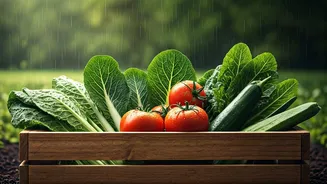
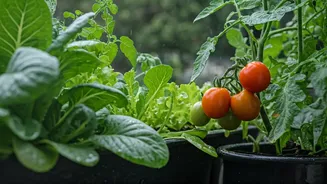
Gardening during the Indian monsoon has a huge advantage: nature does most of the watering for you. The high humidity and consistent moisture create a lush, thriving environment where many vegetables grow faster and with less effort. This season is particularly
kind to beginners, as the regular rainfall can forgive a few missed watering sessions. The key is not to fight the rain, but to work with it. That means choosing plants that love these conditions and ensuring your setup can handle the downpours without getting waterlogged. With a little bit of preparation, your balcony, terrace, or backyard can transform into a productive green space.
1. Bhindi (Okra/Lady's Finger)
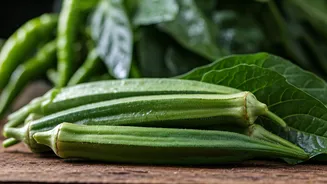
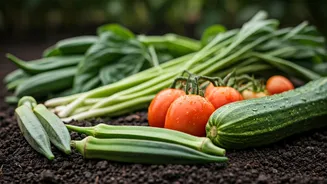
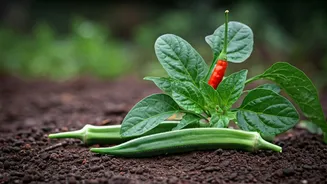
A staple in Indian cuisine, Bhindi is a fantastic choice for first-time gardeners. It absolutely loves the heat and humidity that the monsoon brings. Plant the seeds directly into your pots or garden bed, about an inch deep. They germinate quickly and the plants are relatively low-maintenance. The key to a good Bhindi harvest is picking the pods when they are still young and tender—usually about 4-6 inches long. If you let them grow too big, they become woody and tough. Keep an eye out for small pests, but generally, this is a resilient and rewarding plant to grow.
2. Leafy Greens (Palak, Amaranth)
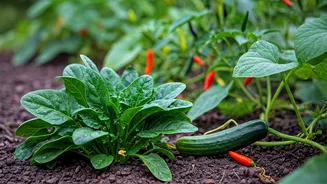
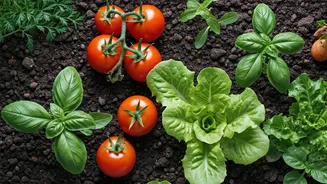
If you want quick results, leafy greens are the way to go. Spinach (Palak) and Amaranth (Chaulai/Lal Saag) are incredibly fast-growing and can be harvested multiple times. You can simply scatter the seeds over prepared soil and lightly cover them. Within weeks, you'll have tender leaves ready for your kitchen. These greens thrive in the consistent moisture of the monsoon. A great tip for beginners is 'succession planting': sow a small patch of seeds every two weeks. This ensures you have a continuous supply of fresh greens throughout the season instead of one giant harvest.
3. Beans (French Beans, Cluster Beans)
Beans are the gift that keeps on giving. Both bush varieties and climbing (pole) varieties do exceptionally well in the rainy season. For beginners, bush beans are often easier as they don't require elaborate support structures. Simply plant the seeds a few inches apart. They are nitrogen-fixers, which means they actually improve the quality of your soil. The plants grow quickly and you can expect to be harvesting fresh beans in under two months. Regular picking encourages the plant to produce more pods, so check your plants every couple of days once they start flowering.
4. Gourds (Lauki, Turai)
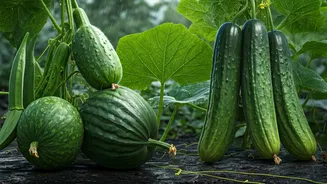
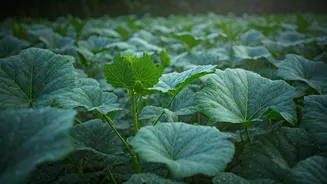
No monsoon garden is complete without the quintessential Indian gourds. Bottle Gourd (Lauki), Ridge Gourd (Turai), and even Bitter Gourd (Karela) are vigorous climbers that flourish during this time. These plants need space and something to climb on, so a trellis, fence, or even a sturdy network of strings is essential. Plant 3-4 seeds in a large pot or bag. The large leaves of the vines help shade the soil, keeping it moist. One important tip: sometimes there aren't enough bees during heavy rain to pollinate the flowers. You may need to hand-pollinate by gently transferring pollen from a male flower to a female flower (the one with a tiny gourd at its base).
Essential Monsoon Care Tips
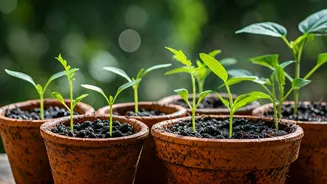
While rain is a blessing, too much of it can be a problem. The number one rule for monsoon gardening is to ensure excellent drainage. Make sure your pots have plenty of drainage holes at the bottom. You can even elevate them slightly on bricks to prevent them from sitting in puddles. Use a light, well-draining soil mix (add sand or coco peat to regular garden soil). High humidity can also encourage fungal diseases and pests. A simple spray made from neem oil, water, and a drop of liquid soap is a great organic way to keep most common issues at bay. Check your plants after heavy rain to ensure they aren't waterlogged and that the soil isn't completely washed away.