
Meet the Ancient Supergrain
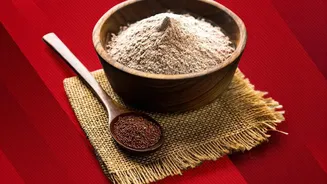
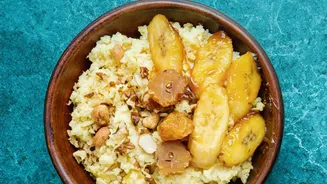
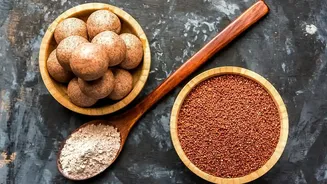
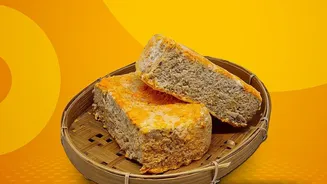
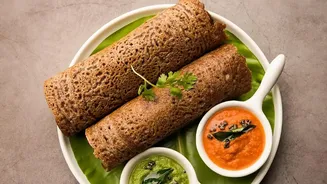
Ragi, also known as finger millet, is a staple grain that has been cultivated in India for thousands of years. Traditionally used to make rotis, porridge, and dosas, this nutrient-dense millet has a long history as a source of wholesome nourishment across
the subcontinent. Recognisable by its deep, reddish-brown hue and nutty, slightly earthy flavour, ragi is now capturing the attention of a new generation of chefs and bakers. They are looking to India’s rich agricultural heritage to innovate, finding that this ancient grain offers a unique profile that sets their creations apart from standard wheat-based products.
The Low GI Promise
One of the biggest drivers of ragi's modern resurgence is its reputation as a low glycemic index (GI) food. The GI scale measures how quickly a carbohydrate raises blood sugar levels. While the headline touts it as 'low GI', the reality is slightly more nuanced. Most studies classify ragi flour in the low-to-moderate range, with a GI score typically between 54 and 68. So, why the buzz? The secret lies in its incredibly high fibre content. This fibre slows down digestion, which in turn slows the release of sugar into the bloodstream. For the consumer, this means more stable energy levels and avoiding the sharp blood sugar spike associated with refined white flours, making it a smarter choice for overall wellness.
A Nutritional Powerhouse
For an artisanal baker, adding ragi is about more than just managing blood sugar; it's about packing the entire loaf with superior nutrition. Ragi is a nutritional heavyweight, especially when compared to rice and wheat. It is famously rich in calcium, containing significantly more of the bone-strengthening mineral than most other grains. It's also an excellent source of iron, which is vital for energy and preventing anaemia, and it boasts a high protein content. By incorporating ragi flour into their dough, bakers are not just making bread; they are crafting a superfood that delivers a wealth of health benefits in every slice, appealing to customers who want their food to be both delicious and genuinely nourishing.
The Baker's Craft and Challenge
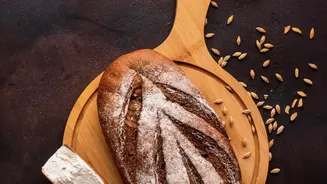
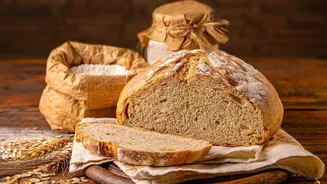
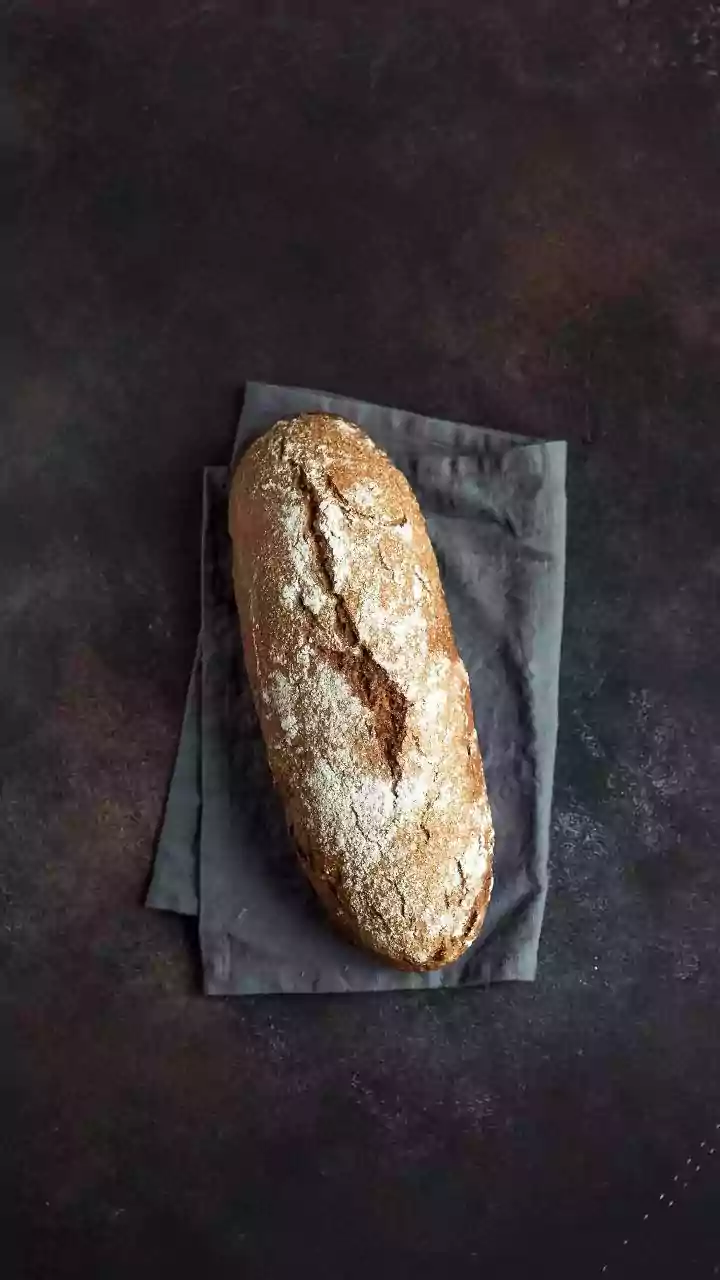
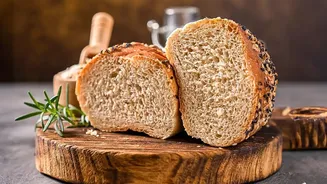
Baking with ragi is where the 'artisanal' skill truly shines. As a gluten-free grain, ragi cannot simply replace wheat flour one-for-one without resulting in a dense, crumbly loaf. Instead, bakers use it as a powerful component in a carefully balanced blend. Often, ragi makes up 10% to 30% of the total flour, combined with whole wheat to provide the necessary gluten for structure and rise. This combination yields a bread with a wonderfully complex, nutty flavour and a soft, moist crumb that stays fresh for longer. In gluten-free artisanal breads, bakers use natural binding agents like psyllium husk to mimic the elasticity of gluten, allowing the unique character of ragi to take centre stage.
Flavour, Not Just a Fad
While the health benefits are a major draw for consumers, for a true artisan, flavour is king. The decision to use ragi is ultimately a culinary one. The deep, earthy notes of the millet add a complexity that you simply cannot get from plain flour. It transforms a simple loaf into a gourmet experience. This trend is not about sacrificing taste for health; it's about discovering that ancient, native ingredients can provide both. Artisanal bakers have found in ragi a way to connect with local food traditions while simultaneously meeting the modern demand for food that is both delicious and fundamentally good for you. The result is a loaf of bread that tells a story of heritage, health, and exceptional craftsmanship.