


More Than Just a Climb
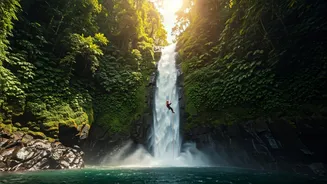
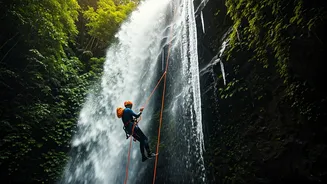
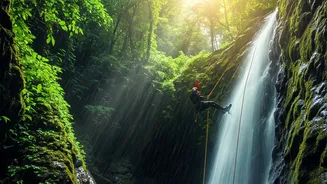
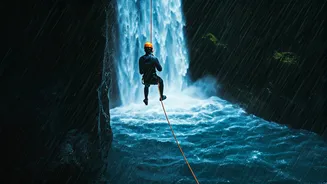
Let’s clear up one thing: while the headline says 'climb', the real thrill is in the descent. Waterfall rappelling, also known as canyoning, is the sport of descending a waterfall in a controlled way using ropes and specialised gear. Unlike rock climbing,
which is about going up, rappelling is about conquering gravity on your way down. You’re not fighting to ascend; you’re managing a controlled, thrilling drop through the force of nature. It’s an activity that combines the technical skill of mountaineering with the raw, untamed beauty of a gushing waterfall, creating a unique challenge that tests both your nerve and your sense of wonder.
The Monsoon's Ultimate Adrenaline Rush
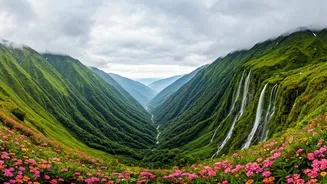
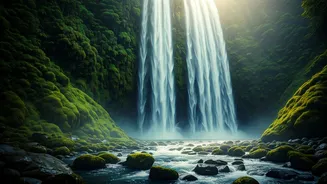
There's a reason this adventure is synonymous with the Indian monsoon. As the rains sweep across the country, dormant streams transform into powerful torrents, and hillsides come alive with thousands of waterfalls. For adventure seekers, this isn’t a time to stay indoors; it’s the season to get out. The experience is a complete sensory overload. You feel the immense pressure of the water hitting your helmet and back, you hear its deafening roar, and you see the lush, rain-washed greenery of the Sahyadris or the Himalayan foothills all around you. It’s a baptism by nature, an exhilarating rush that makes you feel profoundly alive.
Safety is the Priority
Leaning off a slippery cliff into a cascade of water sounds intimidating, and it should be. This is precisely why you should never attempt it without professional guidance. Reputable adventure companies make safety their primary concern. Before you even touch the rope, you’ll be fitted with a helmet, a secure harness, and gloves. You’ll be attached to high-quality ropes managed by a team of certified instructors, both at the top and the bottom. These experts brief you on technique, from how to position your body (lean back, feet flat against the rock) to controlling your speed of descent. Your safety isn't just in your hands; it's managed by a system of checks and balances that allows you to focus on the thrill.
Your First Descent: What to Expect
Your heart will likely be pounding as you walk to the edge. An instructor will double-check your harness and clip you in. The hardest part is the first step: committing to lean back over the abyss, trusting the rope completely. For a moment, it feels unnatural. But then, as you start your descent, fear gives way to focus. Your feet find purchase on the slippery rock face as you walk yourself down, a human pendulum against the cliff. The water is cold and powerful, trying to push you off balance, but your grip on the rope is firm. The world narrows to just you, the rock, and the roaring water. When your feet finally touch the pool at the bottom, a wave of pure accomplishment washes over you, even bigger than the waterfall itself.
Where to Take the Plunge in India
The Western Ghats in Maharashtra are the epicentre of waterfall rappelling in India, especially during the monsoon from June to September. Places like Vihigaon (famous for the 'Ashoka' waterfall), Karjat, Kolad, and Lonavala are dotted with adventure operators offering guided experiences for all levels. For those seeking even grander scales, certain spots in Himachal Pradesh and Uttarakhand offer similar activities in the post-monsoon season, with icy Himalayan meltwater providing a different kind of challenge. Even the majestic Dudhsagar Falls on the Goa-Karnataka border has, at times, been a site for extreme canyoning, though access is often restricted and only for seasoned pros.