




1. Embrace Compression Packing Cubes
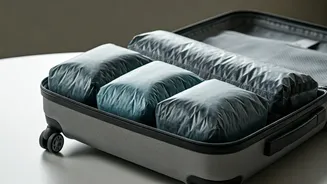
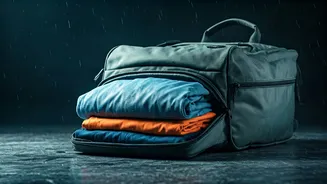
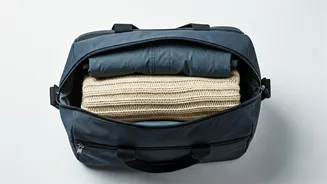
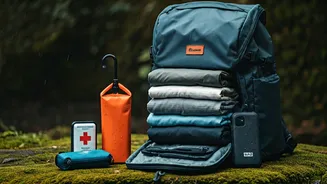
If you invest in one packing accessory, make it a set of compression cubes. These are not your standard packing organisers; they are fabric cubes with an extra zipper that compresses your clothes by squeezing out excess air. They are a game-changer for
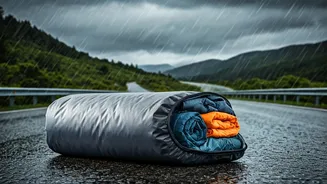
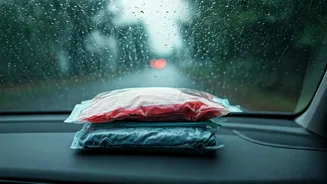
bulky items like fleece jackets, sweaters, and even puffy raincoats. By compartmentalising and compressing, you can reduce the volume of your soft garments by up to 50%. Simply fold or roll your clothes, place them inside the cube, zip the main compartment, and then slowly zip the compression zipper around the edge. You’ll be shocked at how a seemingly overstuffed cube shrinks down into a dense, manageable brick that slots neatly into your suitcase.
2. Choose Your Fabrics Wisely
The material of your clothing is just as important as how you pack it. For rainy season travel, cotton is not your friend. It’s bulky, absorbs moisture, and takes forever to dry in humid conditions. Instead, prioritise synthetic and performance fabrics. Think quick-drying materials like nylon and polyester for your trousers, shirts, and outerwear. They are lightweight, pack down small, and will dry overnight in a hotel room, meaning you can pack fewer items. For a warmer layer, consider merino wool. It’s a fantastic natural fibre that provides excellent warmth without the bulk of traditional wool, resists odours, and wicks moisture away from your skin. One merino wool sweater can do the work of two bulky fleece jackets.
3. Master the Art of Rolling
The age-old debate of rolling versus folding has a clear winner when it comes to saving space: rolling. But there’s a technique to it. For items like t-shirts, trousers, and shorts, the ‘ranger roll’ or ‘military roll’ is most effective. This involves folding the garment tightly and then tucking it into itself to create a secure, compact log that won’t unspool in your bag. This method not only saves a surprising amount of space but also helps minimise deep-set wrinkles. For bulkier items like jackets, fold the sleeves in, and then roll tightly from the bottom up, pushing out air as you go. This turns a clumsy piece of outerwear into a predictable cylinder you can pack around.
4. Think in Layers, Not Bulk
Instead of packing one thick, heavy jacket, adopt a layering strategy. This approach is more space-efficient and gives you far more versatility to adapt to changing temperatures. A typical monsoon layering system might include: a base layer (like a simple t-shirt or thermal), a mid-layer for warmth (a thin fleece or a light merino wool sweater), and an outer shell (a waterproof, windproof but thin raincoat). Each of these individual items is relatively thin and easy to pack. When worn together, they provide excellent protection from the cold and rain. When the sun comes out, you can easily shed layers. This modular approach is the secret to staying comfortable without sacrificing your entire luggage allowance to a single giant jacket.
5. Wear Your Heaviest Items in Transit
This is one of the simplest and most effective packing hacks. Your bulkiest items should never even see the inside of your suitcase on travel day. Wear your heaviest jacket, your sturdiest pair of shoes (likely boots), and your thickest pair of trousers or jeans on the plane, train, or bus. Yes, you might feel a little overdressed in a warm airport, but you can always take the jacket off and carry it once you're past security or settled in your seat. This single move can free up a massive amount of prime real estate and weight in your bag, leaving you more room for souvenirs or simply a lighter bag to carry.