







The Anatomy of Monsoon Travel Chaos
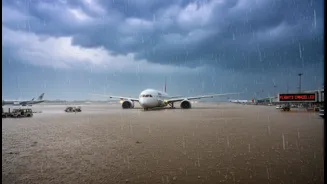
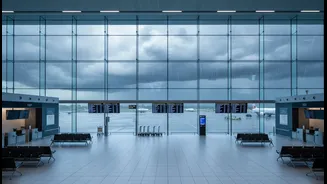
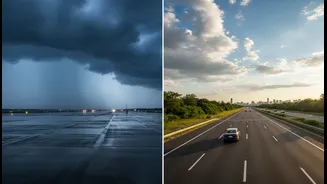
For any Delhi traveller, the journey to Indira Gandhi International Airport (IGI) during a downpour is often more stressful than the flight itself. It's a chain reaction of disruption. Heavy rain quickly leads to waterlogged roads, especially on critical
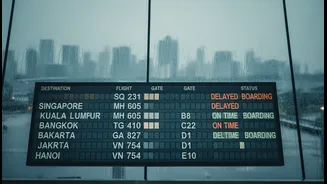
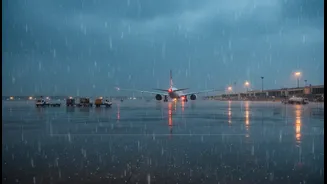
arteries like the Delhi-Gurugram Expressway (NH-48) and routes near Aerocity. This past week has been a clear example, with heavy showers causing significant traffic snarls and even a highway cave-in near Gurgaon. This gridlock on the ground has a direct impact on the skies. When passengers and airline crew are stuck in traffic, flights can be delayed even if the weather at the airport itself has cleared. In recent days, numerous flights have been diverted or delayed not just due to poor visibility, but because the essential flow of people to and from the airport was crippled by rain-induced traffic.
Beyond a Basic Weather Check
Simply looking at a generic forecast for 'rain' is not enough. The key to avoiding chaos is accessing specific, real-time advisories from multiple official sources. The India Meteorological Department (IMD) is the primary source for weather warnings, issuing colour-coded alerts (like the recent 'Orange' and 'Red' alerts) that signify the potential intensity of rainfall. These alerts give you a heads-up on the severity. However, for the journey itself, the Delhi Traffic Police and Gurugram Police's social media handles become indispensable. They provide live updates on waterlogged areas, traffic diversions, and suggest alternative routes. Airlines, too, are now proactive in issuing their own advisories, urging passengers to allow for extra travel time and to check flight status before leaving home. Combining these three sources—IMD for the forecast, Traffic Police for the route, and the airline for the flight status—gives you a complete operational picture.
Your Monsoon Pre-Flight Checklist
Being proactive can turn a potentially disastrous travel day into a manageable one. Here’s a practical checklist for flying out of Delhi during the monsoon: 1. Start Monitoring 24 Hours Out: Begin tracking IMD forecasts to understand the weather pattern for your travel day. 2. Double Your Buffer Time: If you’d normally leave two hours before your reporting time, leave four. Recent advisories from airlines and police consistently recommend factoring in significant extra travel time. 3. Check Traffic Before You Lock the Door: Use live mapping services and check the latest posts from Delhi and Gurugram Traffic Police on social media for real-time road conditions. In some cases of severe rain, authorities have even advised working from home to reduce congestion. 4. Download Your Airline’s App: This is the fastest way to get push notifications about delays, cancellations, or gate changes. Airlines like IndiGo, Air India, and SpiceJet have all used their apps and social media to provide critical updates this week. 5. Consider the Metro: The Delhi Metro's Airport Express Line is often the most reliable mode of transport during heavy rains, as it is unaffected by road waterlogging and traffic jams. Airport authorities have previously advised this as a reliable alternative. 6. Pack Essentials in Cabin Baggage: In case of long delays, have medication, chargers, and a change of clothes in your carry-on. Don’t assume your check-in bag will be quickly accessible.
A Coordinated Effort for Smoother Journeys
The good news is that there is an increasing level of coordination between agencies. Delhi International Airport Limited (DIAL) works on monsoon preparedness plans, which include deploying water pumps and coordinating with traffic police and municipal bodies. Airlines are more communicative than ever, using their digital platforms to keep passengers informed. The National Disaster Management Authority (NDMA) also issues its own early warnings during significant weather events, adding another layer of information for the public. While no one can stop the rain, this multi-agency approach to information dissemination aims to empower travellers. By tapping into these official channels, you can make informed decisions, adjust your plans on the fly, and significantly reduce the stress of getting to your flight on a chaotic monsoon day.