
Why Monsoon Increases Food Spoilage
The combination of warmth and high humidity during the rainy season is ideal for the rapid growth of harmful bacteria, viruses, and fungi. Microorganisms like E. coli and Salmonella, which cause food poisoning, thrive in these conditions. Food that might
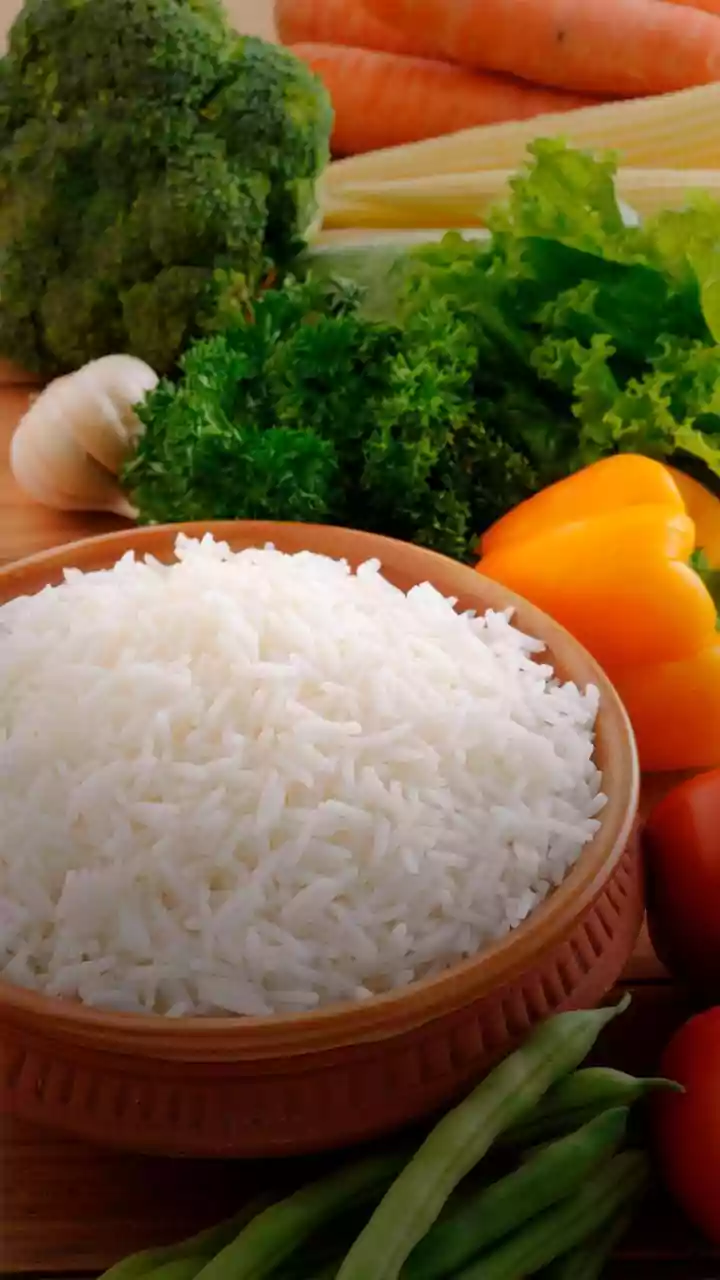
last for days in drier weather can spoil in a matter of hours. This is particularly true for staples in Indian kitchens, such as cooked rice, dal, meat curries, and dairy-based dishes, which have high moisture content. Frequent power cuts, common during the monsoon, further compromise refrigerator temperatures, accelerating spoilage and increasing the risk of foodborne illnesses like gastroenteritis, typhoid, and cholera.
The 'Two-Hour Rule' for Cooling Food
One of the most critical rules in food safety is to minimise the time cooked food spends in the 'danger zone'—the temperature range where bacteria grow fastest. As a strict guideline, you should never leave cooked food at room temperature for more than two hours. During the particularly hot and humid days of the monsoon, this window shrinks to just one hour. It is crucial to cool down cooked meals quickly before refrigerating them. To do this safely, divide large quantities of food, like a big pot of dal or curry, into smaller, shallow containers. This helps the food cool down faster and more evenly, preventing bacteria from getting a chance to multiply.
Smart Storage for Leftovers
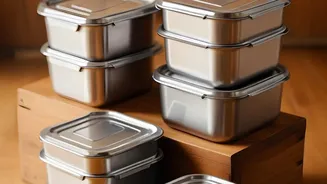
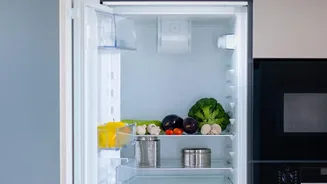
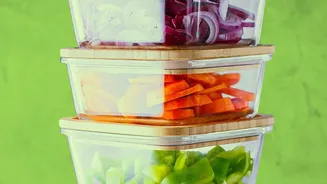
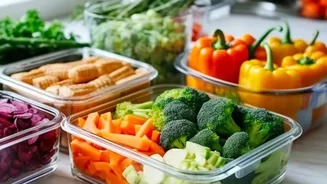
Proper storage is your best defence against contamination. Always use airtight containers to store leftovers in the refrigerator. This prevents the food from absorbing odours and, more importantly, stops cross-contamination from raw foods like meat or vegetables. It's a good practice to keep raw and cooked foods on separate shelves in the fridge. Ensure your refrigerator is set to the correct temperature, preferably below 5°C, to effectively slow down bacterial growth. During the monsoon, avoid buying fresh ingredients in bulk, as they can spoil quickly. Instead, buy smaller quantities more frequently to ensure freshness.
The Correct Way to Reheat
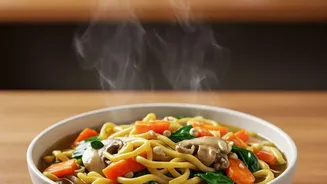
Reheating leftovers is not about just warming them up; it’s about making them safe to eat again. Your goal is to kill any bacteria that may have developed during storage. All leftovers should be reheated thoroughly until they reach an internal temperature of at least 74°C (165°F). For liquids like soups, sauces, and gravies, bringing them to a rolling boil is a reliable way to ensure they are safe. When using a microwave, cover the food to retain moisture and ensure it heats evenly, stirring it midway through. Never reheat the same leftovers more than once, as repeated cooling and heating cycles encourage bacterial growth.
When in Doubt, Throw It Out
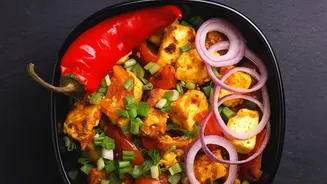
You cannot always tell if food is contaminated just by looking at or smelling it. Many harmful bacteria do not produce any noticeable change in the food's appearance, smell, or taste. However, if you notice any foul odour, discoloration, slimy texture, or signs of mould, discard the food immediately. Do not be tempted to taste a small amount to check if it's still good. Even a tiny bite of contaminated food can cause severe illness. The safest and most important rule when dealing with leftovers, especially during the monsoon, is simple: when in doubt, throw it out.