






The Seeds of a Textile Giant
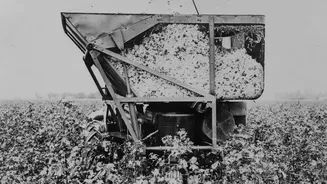
The story of Coimbatore's textile dominance begins with geography. The region's rich black soil proved perfect for cotton cultivation, providing a ready supply of high-quality raw material. This agricultural advantage, combined with a climate ideal for spinning
cotton without it breaking, laid the groundwork for an industry waiting to happen. Even before the industrial age, the area known as Kongu Nadu was part of an ancient trade route, with its prized cottons finding their way to destinations as far as the Roman Empire. This deep-rooted connection to cotton created a natural foundation for the large-scale industry that would follow.
The Dawn of the Mill Era
The industrial revolution in Coimbatore was sparked in the late 19th century. The establishment of the first mechanised spinning and weaving mill in 1888, known as Stanes Mill, marked a pivotal moment. This venture, led by British entrepreneur Sir Robert Stanes, kickstarted the city's transformation. The arrival of hydroelectric power from the Pykara project in the 1930s was another game-changer, providing abundant and cheap electricity that fueled an explosion of industrial growth. Entrepreneurs seized the opportunity, importing machinery and setting up numerous mills, solidifying Coimbatore's reputation as a textile powerhouse and earning it the 'Manchester of South India' moniker for its booming cotton industry.
An Entire Ecosystem of Industry
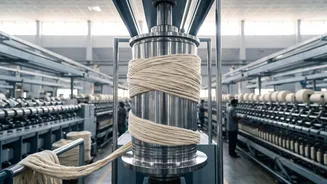
Coimbatore's success wasn't just about spinning yarn. It developed a complete textile ecosystem. The city became a hub for the entire value chain, from ginning, spinning, and weaving to processing and garment manufacturing. This vertical integration was a significant strength. When the mills needed machinery or repairs, ancillary industries sprang up to meet the demand. This led to the growth of a robust textile machinery manufacturing sector, with some of India's leading brands having their origins in Coimbatore. Institutions like the Southern India Mills' Association (SIMA), established in 1933, played a crucial role in advocating for the industry, ensuring worker welfare, and driving policy.
The Modern Manufacturing Hub
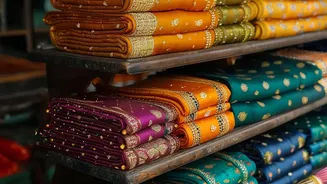
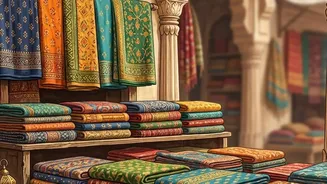
Today, Coimbatore's textile industry is a formidable force. The region is home to thousands of small, medium, and large-scale units. It accounts for a significant portion of India's yarn production and textile business. While it remains famous for its high-quality cotton, the industry has diversified extensively. The city and its surroundings, including the major export hub of Tirupur, produce vast quantities of knitwear, woven apparel, and home furnishings that are exported globally. There is also a growing focus on technical textiles and man-made fibres, demonstrating the industry's ability to adapt to new market demands.
Navigating Present-Day Challenges
Despite its legacy, the industry is not without its challenges. Mills in Tamil Nadu face stiff competition from other states that offer subsidies and cheaper power. High power costs remain a significant concern for local manufacturers. Furthermore, reliance on cotton from other states adds to transportation costs. In response, the industry is pushing for greater sustainability, exploring cleaner technologies, and urging policy support to maintain its competitive edge. This includes a strategic shift towards value-added products and diversification into man-made fibres to future-proof the industry.