






From Textbooks to Tangible Action
For decades, climate education was confined to a chapter in a geography or environmental science textbook. It was abstract, filled with daunting statistics and complex charts that felt disconnected from a student's reality. That model is rapidly becoming
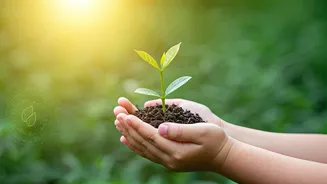
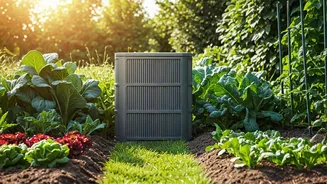
obsolete. Today, progressive educational frameworks, including those encouraged by India's National Education Policy (NEP) 2020, are pushing for a more integrated and experiential approach. Schools are increasingly adopting hands-on projects that make climate science tangible. Students aren't just reading about deforestation; they're participating in local tree-planting drives. They're not just learning about waste management; they're designing and running composting pits and recycling programmes within their school premises. This shift from passive learning to active participation empowers children, transforming them from worried observers into proactive problem-solvers. It instils a sense of agency, teaching them that their daily actions have a direct impact on their immediate environment.
The Community as a Classroom
Climate learning is also flourishing at the grassroots level, far from any formal curriculum. Across Indian cities and towns, citizen-led initiatives are turning public spaces into hubs for environmental education. Resident Welfare Associations (RWAs) now routinely organise workshops on waste segregation, rainwater harvesting, and urban gardening. These are not lectures but interactive sessions where neighbours share tips, troubleshoot problems, and build a collective sense of responsibility. Furthermore, the rise of 'citizen science' projects invites ordinary people to contribute to climate research. Apps and community groups encourage residents to document local biodiversity, monitor air and water quality, or track changes in seasonal patterns. This direct involvement demystifies science and fosters a deeper connection to the local ecosystem. When you’ve personally counted the number of sparrows in your neighbourhood or measured the particulate matter in your air, the reality of environmental change becomes personal and undeniable.
The Digital Nudge on Your Screen
Perhaps the most pervasive change is happening on the device you hold in your hand. Social media has become a powerful, if sometimes chaotic, tool for climate education. Environmental influencers and content creators are breaking down complex topics like carbon footprints, circular economies, and sustainable fashion into digestible, engaging formats like short videos and infographics. They offer practical tips for everyday life—how to reduce plastic use, make a DIY home cleaner, or choose eco-friendly products. These digital nudges integrate climate consciousness into our daily scroll. Gamified apps challenge users to adopt greener habits, awarding points for taking public transport or reducing energy consumption. This constant, low-level exposure normalises climate-aware behaviour, making it feel less like a chore and more like a modern, responsible way of life.
Learning Through What We Buy and Watch
The marketplace and entertainment industry have also become unwitting educators. As consumers become more discerning, brands are responding with greater transparency. Reading a product label is now a mini-lesson in sustainability. We learn about sourcing, supply chains, and certifications like 'Fair Trade' or 'FSC-Certified'. This 'conscious consumerism' forces us to think critically about the environmental cost of our purchases. Simultaneously, climate change is no longer just the subject of grim documentaries. It’s a compelling theme in mainstream films, web series, and even fiction. Narratives that weave climate-related challenges—like water scarcity, extreme weather events, or resource conflicts—into their plots make the issue relatable on an emotional level. These stories help us process the anxieties of a changing world and imagine different possible futures, good and bad, making the abstract threat feel urgent and human.