





The Study's Stark Findings
The SITA 2026 Passenger IT Insights report, which surveyed nearly 8,000 travellers across 24 countries, uncovered a significant trend: trip avoidance due to stress. The study found that more than half of travellers under the age of 30 have decided against
a trip because they expected it to be too stressful. This figure is even higher for frequent flyers, with six in ten admitting to abandoning travel plans for the same reason. Overall, 42% of all travellers surveyed have skipped a trip over stress concerns, signalling that this is not just a niche issue but a widespread factor influencing travel demand. This data points to a generation that, despite a strong desire for new experiences, is also acutely aware of the mental toll travel can take.
The Anatomy of Modern Travel Anxiety
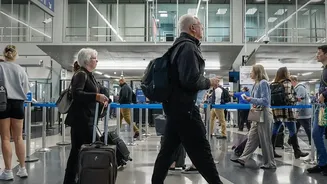
So, what exactly is causing this pre-trip dread? According to SITA, the primary stressors are operational and logistical. Passengers are most concerned about delays, long queues, and the perennial worry of what happens to their baggage. Much of this anxiety boils down to a single feeling: a lack of control and not knowing what will happen next. This is compounded by other pressures. A separate Skyscanner report highlights that for India's Gen Z, the sheer number of options can be overwhelming, with 87% finding the booking process itself to be a source of stress. Financial anxiety also plays a major role; many young travellers make significant financial sacrifices to fund their holidays and are highly budget-conscious.
More Connected, More Stressed?
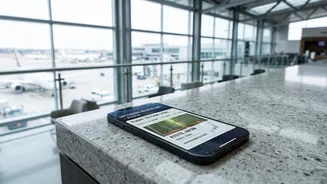
Ironically, the same technology that promises to make travel seamless may also be contributing to the anxiety. While travellers under 30 are highly confident that technology can reduce stress, the constant flow of information can be a double-edged sword. The pressure to plan and execute a 'perfect' trip, often fuelled by social media, adds another layer of mental burden. However, the SITA report emphasises that technology holds the key to a solution. Passengers believe digital tools can fix the biggest problems. Simple, effective uses of tech, like real-time updates on a smartphone about gate changes, queue lengths, or baggage location, could transform the experience from one of uncertainty to one of reassurance. Four in ten passengers are even ready to receive these updates from AI.
A Generational Shift in Wellness
This trend is deeply rooted in a generational shift in attitudes towards mental health and work-life balance. For many Gen Z and millennial professionals, life is already characterised by high levels of stress and burnout. Travel is often seen as a necessary coping mechanism rather than a pure luxury. Interestingly, while the planning is stressful, the travel itself is seen as a powerful tool for wellbeing. Data shows that 93% of Gen Z travellers feel that travel improves their mental state, and 73% plan trips specifically for wellness benefits like relaxation. This generation is not travel-averse; they are stress-averse. They are actively seeking less stressful ways to achieve the restorative benefits of a holiday, which explains the rising popularity of shorter, more frequent 'micro-cations'.
What This Means for the Future of Travel
The findings from SITA and other reports present a clear call to action for the travel industry. To win back this significant and valuable demographic, airlines, airports, and booking platforms must focus on reducing friction and anxiety. According to SITA's CEO, David Lavorel, every trip won back is a commercial victory. The solution lies in using technology to give passengers more visibility and control. This could mean simplified, transparent booking interfaces, reliable real-time tracking of every journey step, and streamlined airport processes. As anxiety during the 'dwell time' between security and boarding has tripled since 2023, making this period calmer is crucial. Ultimately, the companies that succeed will be those that understand that for the modern young traveller, a feeling of calm is a core part of the product.