





A New Space Race at Home
India's space story is undergoing a fundamental rewrite. The model that relied on the singular excellence of the Indian Space Research Organisation (ISRO) is making way for a more collaborative ecosystem. This shift was formalized by reforms beginning
in 2020 and solidified by the Indian Space Policy 2023, which aims to unlock the commercial potential of the sector. The goal is to grow India's share of the global space market from its current 2-3% to a much larger slice of the pie, with projections estimating the domestic space economy could reach over $40 billion within a decade. At the heart of this transformation is the Indian National Space Promotion and Authorisation Centre (IN-SPACe), a single-window agency designed to enable, promote, and authorize the activities of private space companies, or Non-Governmental Entities (NGEs). By opening ISRO's world-class facilities and expertise to startups, the government is betting that private ambition can become a powerful engine for national growth.
Meet the Trailblazers
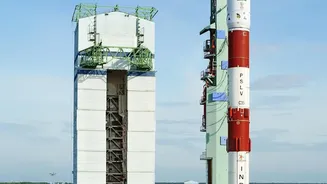
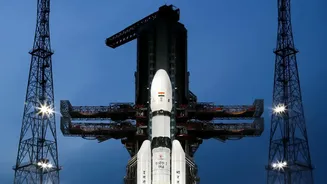
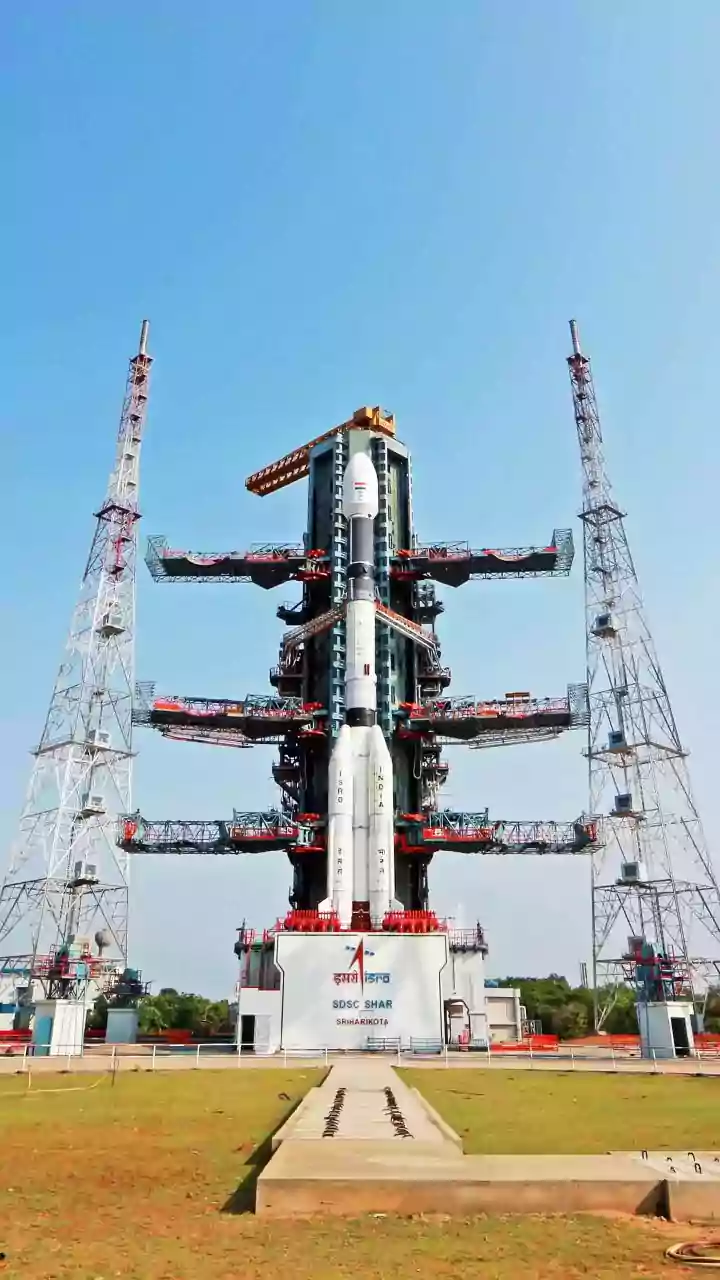
A new constellation of startups is leading this charge. Companies like Skyroot Aerospace and Agnikul Cosmos have emerged from the drawing board to the launchpad, capturing national attention. Skyroot made history with Vikram-1, the first privately developed Indian rocket to successfully place a payload in orbit. Agnikul is also a pioneer, known for its advanced 3D-printed rocket engines and for establishing India's first private launchpad. These are not just smaller versions of ISRO's workhorses. They represent a new philosophy of space access: agile, cost-effective, and focused on specific market needs, particularly the booming global demand for small satellite launches. With over 400 space startups now active in the country, the ecosystem is buzzing with innovation in launch vehicles, satellite manufacturing, and propulsion systems.
The Innovation and Cost Equation
The primary driver behind this acceleration is economic. Private competition is a proven catalyst for innovation and cost reduction. As more companies develop launch capabilities, the cost-per-kilogram to orbit is expected to fall, making space more accessible than ever. This is crucial for a whole new generation of customers, including universities, research institutions, and businesses that previously found space launches prohibitively expensive. Private firms, unburdened by the vast and varied mandate of a national space agency, can specialize and iterate quickly. This focus speeds up development cycles and fosters novel approaches to engineering, manufacturing, and operations, from reusable components to modular rocket designs. Cheaper, more frequent launches are the gateway to a vibrant space economy.
More Than Just Launch Vehicles
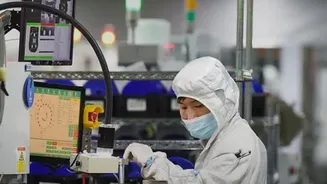
The impact of private rockets extends far beyond the launchpads themselves. Launch capability is an enabling technology that creates a ripple effect across numerous downstream industries. A flourishing launch sector stimulates demand for satellite manufacturing, ground station services, and data analytics. The data gathered from these satellites fuels businesses in agriculture, disaster management, urban planning, telecommunications, and climate monitoring. In essence, rockets are the highways to orbit; the real economic boom happens when those highways are busy with commercial traffic, creating value on the ground. By expanding launch access, India's private rocket companies are laying the foundation for a full-stack space economy.
ISRO’s Evolving Mission
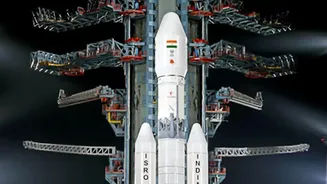
The rise of the private sector does not sideline ISRO. Instead, it allows the veteran organization to evolve. Freed from the routine business of commercial launches, ISRO can dedicate more resources to its core mission: scientific discovery, deep-space exploration, and strategic national projects like Gaganyaan. This strategic division of labour is facilitated by NewSpace India Limited (NSIL), ISRO's commercial arm. NSIL is tasked with monetizing ISRO's existing technologies and managing strategic launches, effectively acting as a bridge between the agency's legacy and the new commercial landscape. This synergy allows ISRO to focus on pushing the frontiers of space science while the private sector builds a robust commercial industry around its proven technologies.
Hurdles on the Path to Orbit
Despite the optimism, the path forward is not without challenges. The space industry is capital-intensive, with long development cycles and high risks, which can make investors cautious. While policy has shifted, startups still navigate a complex regulatory environment and face a shortage of experienced talent in highly specialized fields like propulsion and avionics. Furthermore, Indian companies must compete with established international players in a fierce global market. Ensuring that funding, policy clarity, and talent development keep pace with the sector's ambition will be critical for turning early successes into sustainable, long-term businesses.