





Meet the Sleepless Generation
They’ve been called the “Tired Generation,” and for good reason. Millennials report high levels of insomnia, with studies showing they are among the most sleep-deprived demographics. A perfect storm of financial stress, career burnout, and always-on digital
culture has wreaked havoc on their sleep-wake cycles. Being the first generation to grow up with smartphones means constant exposure to blue light, which disrupts the production of melatonin, the hormone that signals it's time for sleep. This constant state of alertness, combined with anxiety about everything from student loans to global instability, leaves many millennials unable to get the restorative rest they desperately need.
What Exactly Is a Circadian Reset?
Think of your body's circadian rhythm as its internal 24-hour clock. It’s the master conductor that tells you when to feel alert and when to feel sleepy, regulating hormones, body temperature, and appetite along the way. When this rhythm is out of sync—thanks to late-night screen time, irregular work hours, or stress—you get chronic insomnia. A "circadian reset" is the process of realigning that internal clock with the planet's natural light-dark cycle. The most powerful tool for this reset is light. Exposure to bright, natural light in the morning sends a strong "wake up" signal to the brain, while darkness at night triggers the release of melatonin, preparing the body for sleep.
Why Mountain Towns Are the Perfect Clinic
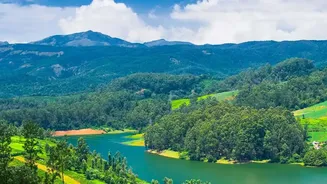
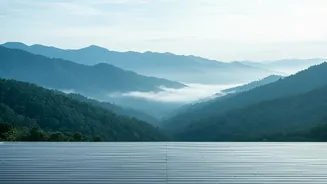
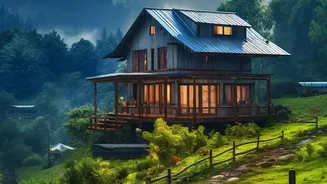
This is where the concept of a stay in a “hill station,” or what Americans would call a mountain town, comes in. These high-altitude environments provide an ideal setting for a circadian reset for several key reasons. First, you get intense, unfiltered morning sunlight. Waking up and immediately getting outside for a walk exposes your eyes to powerful natural light that helps suppress melatonin and lock in your wake-up time. Second, these remote locations often have significantly less light pollution, allowing for true darkness at night—a crucial ingredient for quality sleep. The fresh mountain air and the physical exertion from hiking also promote deeper, more restorative sleep by tiring the body and reducing stress hormones. Simply being in nature has a calming effect, further paving the way for rest.
More Than Just a Vacation
A circadian reset trip isn't about lounging by a resort pool with a cocktail. It’s an active, intentional getaway. The goal is to lean into the natural environment. This means waking up early to catch the morning sun, spending the day engaged in outdoor activities, eating meals at regular times, and crucially, disconnecting from electronic devices as evening approaches. This kind of trip has become a key part of the booming wellness travel trend, with travelers, especially millennials, increasingly prioritizing rest and rejuvenation over jam-packed sightseeing. It’s about using travel not to escape life, but to fix a fundamental part of it that has gone haywire. The goal is to return home not just with memories, but with a recalibrated body clock and the tools to maintain it.