





The Shift from Search to Social Feed
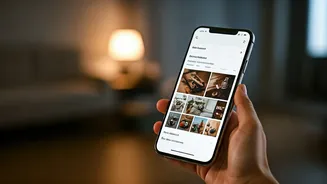
The days when product discovery began with a search engine or a walk down a retail aisle are fading. Now, it happens organically within our social media feeds. [14] Platforms like Instagram, TikTok, and YouTube have transformed from spaces for connection
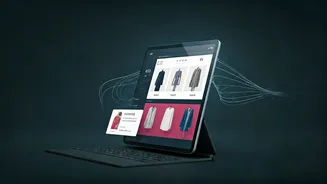
into powerful engines for commerce, where algorithms serve us products before we even think to search for them. [14, 26] This shift is fundamental; instead of customers finding products, products are now finding customers through a trusted network of content creators. [14] In India, this trend is particularly strong, with a recent Kantar report revealing that 67% of Indian consumers trust recommendations from influencers more than traditional advertisements. [2, 3, 7, 11] This data highlights a massive transition in consumer behaviour, where the social feed has effectively replaced the traditional storefront. [14]
Authenticity: The Currency of Modern Commerce
So, why are we placing so much faith in creators? The answer is authenticity. [4, 8] In a digital world saturated with polished ads, consumers crave genuine, relatable content. [8] Influencers build loyal communities by sharing honest experiences and reviews, which feels more like a personal recommendation than a corporate sales pitch. [21, 24] This bond is the foundation of trust. [5, 8] Studies show that consumers respond best to content that feels authentic and relatable, allowing them to make more informed decisions. [6, 13] When an influencer, especially one who has built a niche authority, shares their experience with a product, it carries more weight than a flawless five-star review on a company website. [6, 23] This genuine connection humanizes brands and fosters a sense of credibility that traditional advertising struggles to replicate. [8, 9]
The 'TikTok Made Me Buy It' Economy
The power of creator-led commerce is most visible in phenomena like the "TikTok Made Me Buy It" trend. Platforms are no longer just for discovery; they are fully integrated shopping experiences. [15] With features like TikTok Shop and Instagram Shopping, the distance between seeing a product in a video and purchasing it has shrunk to a few taps. [18, 19] Creators have become conversion engines, driving sales through affiliate links, sponsored posts, and viral trends. [10] Research shows that a significant portion of consumers, particularly Gen Z and Millennials, make monthly purchases based on creator recommendations. [13, 16] This model is highly effective because it collapses the sales funnel; discovery, validation, and purchase often happen in a single moment within the app. [14]
It's a Partnership, Not Just a Promotion
For brands, navigating this new landscape means rethinking their marketing strategies. The most successful companies are moving away from one-off campaigns and toward building long-term relationships with creators. [6] They are creating affiliate systems where creators become sales partners, earning commissions on the sales they drive. [18] This approach lowers the risk for brands and empowers a diverse network of creators to test different angles and messages. [18] The strategy is no longer about just renting an influencer's audience for a single post. Instead, it's about building a creator-powered distribution system that continuously refines its messaging based on real-time data and performance, creating a powerful growth flywheel. [18]
The Future: A Blurring of Content and Commerce
Looking ahead, the line between social media and e-commerce is set to disappear almost completely. Experts predict that social commerce will continue its explosive growth, with some projecting that by 2030, a majority of global consumers will use social media as their primary shopping channel. [14, 15] This evolution means that creators are not just a marketing channel; they are becoming fundamental infrastructure for modern retail. [18] They are the new curators, the new tastemakers, and the new digital storefronts. [18] While this shift brings immense opportunity, it also presents challenges, including the risk of eroding consumer trust if authenticity is compromised. [9] For brands, the path forward is clear: success in the future of retail depends on their ability to build genuine, value-driven partnerships within the creator economy.