





The Prison of Four Walls
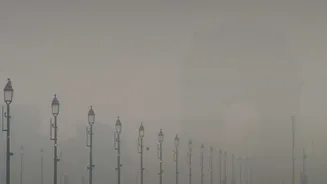
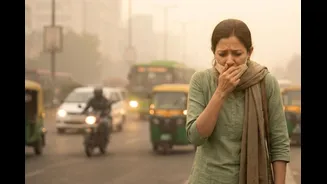
As Delhi's Air Quality Index (AQI) remains in the 'Severe' category, with readings climbing towards 500, public health advisories have urged residents to stay indoors. For children, this means the end of outdoor play, cycling, and simple park gatherings.
This confinement, while a necessary shield against pollutants that can cause severe respiratory issues and even affect mental development, comes at a cost. The lack of physical activity can lead to poor muscle and bone development, while the absence of real-world interaction with peers hinders the growth of crucial social skills like communication, teamwork, and problem-solving. Experts warn that this isolation is not just about boredom; it can increase anxiety, frustration, and mood swings in young, developing minds.
The Digital Classroom's Double-Edged Sword
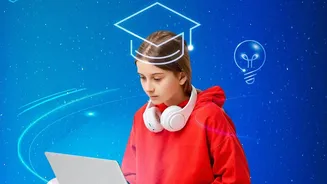
With schools shut, education moves to screens. While online classes ensure continuity in learning, long hours staring at a screen bring a host of physical problems. Digital eye strain, characterized by dry, tired eyes and headaches, is a primary concern. Ophthalmologists also warn about a potential rise in myopia, or short-sightedness, due to prolonged close-up screen work. Beyond eye health, the sedentary nature of online learning contributes to poor posture, disrupts natural sleep cycles due to blue light exposure, and reduces overall physical activity, increasing the risk of weight gain.
The Invisible Mental and Emotional Toll
The combination of being trapped indoors and tethered to a digital device creates a perfect storm for mental and emotional distress. Child psychologists note that this period is marked by heightened stress and anxiety among children. Reduced playtime, limited social contact, and the pressures of virtual learning can manifest as irritability, behavioural issues, and social withdrawal. Face-to-face interactions are critical for developing emotional intelligence and interpreting non-verbal cues, skills that are difficult to cultivate through a screen. A recent survey in Delhi-NCR found that nearly 70% of children felt stressed and worried due to poor air quality, with many reporting feelings of anxiety and fear.
What Can Parents Do?
While the larger problems of pollution and educational policy are out of their hands, parents can take steps to mitigate the negative impacts on their children. Establishing a structured routine is key; this includes consistent sleep schedules and dedicated times for meals, schoolwork, and play. It's crucial to schedule 'media breaks' and encourage screen-free activities like board games, reading, or creative pursuits. Building in time for physical activity, even indoors, is vital. This could be anything from yoga and dance-alongs to simple stretching exercises between classes. Finally, maintaining open communication and encouraging children to talk about their frustrations can help ease feelings of isolation and anxiety.