






Why Break Up with Soda?
Carbonated soft drinks are a daily habit for many, but their popularity comes with a downside. A single can of soda can contain more sugar than the recommended daily intake. This high sugar content is linked to a range of health concerns, including weight
gain, an increased risk of type 2 diabetes, and heart disease. The acidity in these beverages can also be tough on your teeth, eroding enamel over time. Furthermore, many sodas are just empty calories, offering little to no nutritional value. While an occasional fizzy drink is unlikely to cause lasting harm, a regular habit can have significant effects on your overall health. Making a conscious choice to reduce your intake is a powerful first step towards a healthier lifestyle.
The Vibrant Smoothie Upgrade
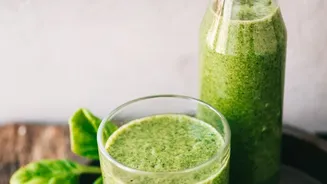
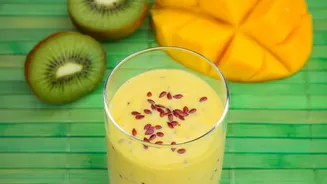
One of the most delicious and nutrient-packed alternatives to soda is a homemade fruit smoothie. Unlike sodas, smoothies can be loaded with vitamins, minerals, and dietary fibre. The key is to build them correctly. Start with a base of frozen fruit like bananas or berries, which add natural sweetness and a creamy texture. You can boost the nutritional content by adding a handful of greens like spinach or kale; their flavour is often masked by the fruit. For staying power, include a source of protein such as Greek yogurt or a scoop of protein powder. A liquid base like milk, a plant-based alternative, or just water helps everything blend together smoothly. By making smoothies at home, you control every ingredient, ensuring you get a wholesome beverage without hidden sugars or artificial additives.
A Simple, Go-To Smoothie Recipe
Ready to start blending? Here’s a versatile recipe that you can easily adapt. In a blender, combine one frozen banana, one cup of mixed frozen berries, and a large handful of fresh spinach. Add half a cup of Greek yogurt for creaminess and protein, along with one cup of almond milk or water. For an extra boost of fibre and healthy fats, add a tablespoon of ground flaxseed. Blend until smooth and creamy, adding a little more liquid if needed to reach your desired consistency. This combination provides a balanced mix of carbohydrates for energy, protein for muscle maintenance, and fibre for digestive health, making it an ideal breakfast or satisfying snack.
Discover the Cooling Kokum Cooler
For a truly Indian alternative, look no further than the Kokum cooler, or 'Kokum sherbet'. Native to the Western Ghats, the deep purple kokum fruit is celebrated for its cooling properties, making it a traditional remedy for beating the summer heat. It's more than just a thirst-quencher; kokum is a digestive powerhouse, known to help with acidity and indigestion. The fruit is rich in antioxidants and contains hydroxycitric acid (HCA), which is believed to play a role in appetite regulation. Its unique tangy and slightly sweet flavour makes it a sophisticated and refreshing replacement for sugary sodas. It is also believed to have properties that support heart and liver health.
How to Make Refreshing Kokum Sherbet
Making a Kokum cooler at home is simple. You can create a concentrate to store in your fridge for a quick drink anytime. Start by rinsing about half a cup of dried kokum rinds and soaking them in two cups of warm water for a couple of hours until they soften. Strain the vibrant pink liquid into a pan. Add about a cup of jaggery (or sugar to taste), a teaspoon of roasted cumin powder, and a pinch of black salt. Gently heat the mixture for a few minutes until the jaggery dissolves completely. Let it cool, and your concentrate is ready. To serve, pour a few tablespoons of the concentrate into a glass, top with chilled water or soda water for fizz, add ice, and stir.
The Timeless Comfort of Tea
Tea is one of the most consumed beverages in the world, second only to water, and for good reason. Whether served hot or cold, it offers a world of flavour without the sugar and artificial ingredients of soda. Teas come from the Camellia sinensis plant, and different processing methods create varieties like green, black, and white tea. These teas contain antioxidants called polyphenols, which are linked to various health benefits, including reduced inflammation and improved heart health. Herbal teas, made from dried herbs, flowers, and spices like chamomile or ginger, are naturally caffeine-free and offer their own unique benefits, from aiding digestion to promoting relaxation. This makes tea a versatile, healthy, and hydrating choice any time of day.