








The Prime Suspect: Unwanted Moisture
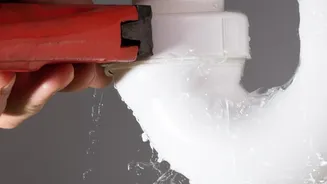
Mould is a simple organism with one non-negotiable demand: moisture. Without water, it cannot grow, period. The key to mould control is moisture control. In our homes, this moisture can come from several sources. Obvious culprits include plumbing leaks,
damaged roofs, or clogged gutters that allow water to seep into walls and ceilings. However, a more common source is condensation—the process where warm, moist air meets a cold surface, like a window or an exterior wall in winter. High indoor humidity, especially during India's monsoon season when levels can exceed 80-90%, creates the perfect damp environment for mould spores to flourish on everything from walls to textiles. Everyday activities like cooking, showering, and even breathing release moisture into the air, contributing to the problem if ventilation is poor.
An Abundant Food Source
Like any living thing, mould needs to eat. Its diet consists of organic materials, which are plentiful in every home. Common food sources include paper and cardboard, the paper backing on drywall, wood, ceiling tiles, and even dust. It can also grow on fabric, upholstery, and carpets. This is why you often find mould growing on walls, in closets full of clothes, or on wooden furniture. Materials like drywall and untreated wood are particularly vulnerable because they easily absorb moisture, becoming a perfect breeding ground. Essentially, if a surface is organic and gets damp, it's a potential feast for mould. This is why simply wiping away visible mould isn't enough; if the material remains damp, the mould will likely return.
The Right Climate and Stagnant Air
Mould spores are everywhere, floating harmlessly in the air both indoors and outdoors. They only become a problem when they land on a damp surface that offers a food source and the right temperature. Most indoor moulds thrive in the same temperatures that humans find comfortable, typically between 15°C and 27°C. A critical factor that ties all these elements together is poor ventilation. Stagnant air allows humid, moisture-filled air to linger, giving it time to condense on cool surfaces and providing the consistent dampness mould needs to grow. Areas like bathrooms without exhaust fans, kitchens, laundry rooms, basements, and cramped wardrobes are classic hotspots for this reason. Good airflow, by contrast, helps dry out damp surfaces before mould can take hold.
Recognising the Early Warning Signs
Visible mould growth is the most obvious sign of a problem, but it's not the first one. Often, a persistent musty or earthy smell is the initial clue that mould is growing somewhere, even if you can't see it. This odour indicates that mould might be hiding behind walls, under carpets, or inside a ventilation system. Another key indicator can be your own health. For some people, unexplained allergic reactions like a stuffy nose, sneezing, coughing, watery eyes, or skin irritation can be caused by mould spores in the air. In individuals with asthma, mould can trigger more severe reactions and attacks. If you notice a musty smell or a sudden onset of these symptoms at home, it's worth investigating for a hidden mould source.
When to Tackle It and When to Call a Pro
For small areas of mould (typically defined as less than 10 square feet), you can often handle the cleanup yourself. However, it's crucial to address the underlying moisture problem first; otherwise, the mould will just grow back. Painting or caulking over mould is not a solution. For larger infestations, if mould comes back after cleaning, or if it was caused by contaminated water like sewage, it's time to call a professional mould remediation service. Professionals are also recommended if you suspect mould in your HVAC system or if household members are experiencing health issues that could be linked to mould exposure. They have the equipment and expertise to safely remove the mould and address the source of the problem effectively.