


A Symphony for the Senses
More than just a snack, the experience of eating bhutta on a rainy evening is a full sensory event. It begins with the sight of the bhutta-wala, fanning embers that glow brightly against the grey sky. Then comes the sound: the crackle of charcoal and
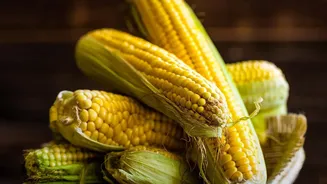
the gentle hiss as the corn cobs are turned over the heat. The air fills with a distinct aroma—a comforting blend of charcoal smoke and the sweet, grassy smell of fresh corn being roasted. This scent mingles with petrichor, the beloved fragrance of rain on dry earth, creating a perfume unique to the Indian monsoon. The final act is the sizzle and steam as a lime wedge, dipped in a mix of salt and chilli, is rubbed vigorously across the hot, charred kernels, releasing a tangy, spicy cloud that promises a flavour explosion.
The Ritual of the Roadside Stall
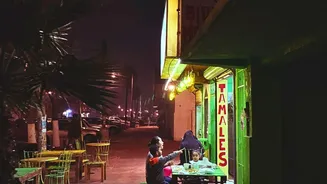
The roadside bhutta stall is a quintessential part of the monsoon landscape in India. These vendors, who often seem to materialise just as the season turns, are masters of a simple craft. Watching them at work is part of the joy. With practiced hands, they peel back the husks, place the corn on their modest grill, and tend to it with a patient rhythm. The turning of the cob is crucial, ensuring each kernel is perfectly cooked—some tender and sweet, others delightfully charred and smoky. This preparation is a performance. The choice of spices, the cutting of the lime, and the final presentation are all part of a tradition that makes street-side bhutta taste infinitely better than any homemade version. It's a shared public ritual that connects strangers, all huddled under an awning, waiting for their turn.
More Than a Snack, It’s Nostalgia
For many, the craving for bhutta during the rain is deeply rooted in nostalgia. It’s a flavour linked to childhood, a throwback to simpler times. The memory of returning home drenched from playing in the rain to the treat of a warm bhutta is a cherished one across generations. This connection between food and memory is powerful; the act of eating roasted corn becomes a way to reconnect with those carefree days. It’s a taste that brings families and friends together, a simple pleasure shared while watching the downpour. This communal aspect, whether with family or just standing by the vendor's cart, reinforces its status as a comfort food that nourishes the soul as much as the body.
Why We Crave Warmth in the Rain
There's a reason our appetite shifts when the weather turns. The drop in temperature and rise in humidity during the monsoon instinctively make us gravitate towards warm, comforting foods. Hot and spicy snacks like bhutta, pakoras, and samosas provide a satisfying contrast to the damp chill in the air. These foods are often energy-dense, giving our bodies a quick, comforting boost. In India, where the monsoon brings relief from intense summer heat, this seasonal shift in diet is a core part of the culture. Food becomes intertwined with the atmosphere of the season—slower days, more time indoors, and a collective desire for warmth and comfort. The bhutta, being a healthier, non-fried option, stands out as a guilt-free indulgence.