

What the New Report Reveals
The latest edition of the UN's global nutrition assessment confirms a critical trend for India: the 'double burden of malnutrition'. This means the country is simultaneously battling undernutrition, like stunting in children, and a rapid rise in overnutrition,
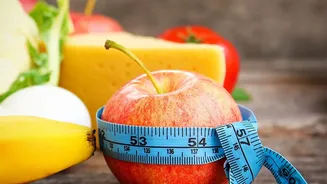
including adult obesity and related diseases such as diabetes. The report highlights that while significant progress has been made in reducing hunger, access to affordable, healthy diets remains a major challenge for a large part of the population. It notes a concerning shift away from traditional, nutrient-dense foods towards processed options high in sugar, salt, and unhealthy fats. This dietary transition is identified as a key driver behind the surge in lifestyle diseases, even in rural areas.
From Food Security to Nutrition Security
A key takeaway from the report is the urgent need for India to shift its focus from mere 'food security' (ensuring enough calories) to 'nutrition security' (ensuring the right kinds of nutrients). For decades, the focus was on providing enough staple grains like rice and wheat. While important, this has led to diets that are often heavy in carbohydrates but lacking in essential proteins, vitamins, and minerals. The report urges a policy and cultural shift towards improving diet quality and diversity. This involves not just what the government provides, but what we choose to put on our plates every day. The findings are a call to action for every household to re-evaluate their meals and prioritise nutritional balance over simple fullness.
Building the Ideal Indian Thali
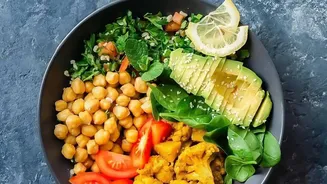
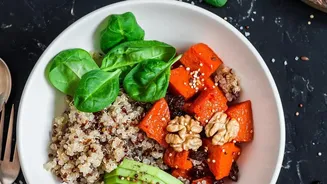
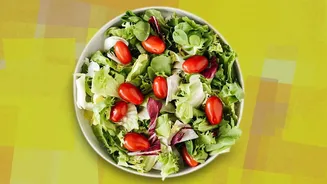
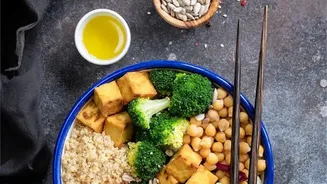
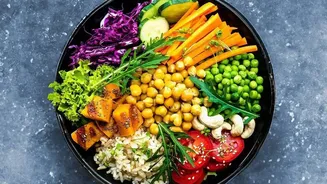
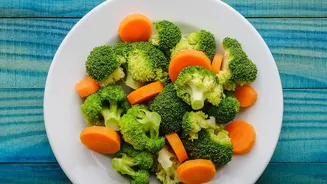
So, what does a balanced meal look like in the Indian context? The answer lies in our own traditional thali, but with mindful adjustments. Aim for the 'Healthy Plate' model: fill half your plate with vegetables, a quarter with a protein source, and the remaining quarter with whole grains. This means having at least two types of vegetables, perhaps one dry (sabzi) and one in a curry or salad. For protein, ensure every major meal includes a portion of dal, lentils, chickpeas, rajma, paneer, tofu, eggs, or lean meat. This provides sustained energy and is crucial for muscle health and repair. This simple visual guide can transform your daily meals from carb-heavy to nutritionally balanced without complex calculations.
Embrace Millets and Whole Grains
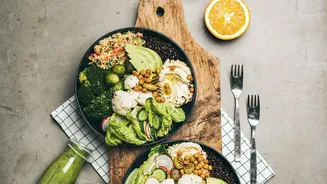
The report implicitly champions the revival of ancient Indian grains. Instead of relying solely on polished white rice and refined wheat flour (maida), it's time to bring millets back to the mainstream. Grains like ragi (finger millet), jowar (sorghum), and bajra (pearl millet) are nutritional powerhouses. Ragi is packed with calcium, bajra is rich in iron, and all millets are high in fibre, which aids digestion and helps manage blood sugar levels. Making simple swaps like using whole wheat atta for rotis, choosing brown rice over white, or incorporating millet-based dishes like ragi dosas or jowar bhakri a few times a week can significantly boost the nutritional value of your diet.
Smart Choices Beyond the Plate
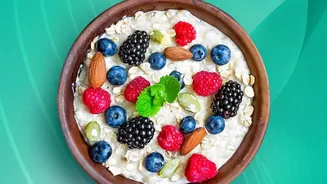
Balanced nutrition isn't just about main meals. It's about the small choices we make throughout the day. The UN report's emphasis on reducing processed foods means cutting back on packaged snacks, sugary biscuits, and sweetened beverages. Instead, opt for whole foods as snacks: a piece of fruit, a handful of nuts, or a bowl of yogurt. Hydration is also key; often, thirst is mistaken for hunger. Drinking plenty of water throughout the day is crucial for metabolism and overall health. Finally, healthy eating works best when combined with an active lifestyle. Regular physical activity, even a brisk 30-minute walk daily, complements a balanced diet and is essential for preventing the lifestyle diseases highlighted in the report.