
The Rise of the Corner Office
The awkward corner, once a magnet for dusty plant stands or forgotten items, is now at the forefront of a design movement born from necessity. With many people now working remotely, the demand for a dedicated home workspace has skyrocketed. However, not
everyone has the luxury of a spare room. This trend is about maximizing every square inch of your home by transforming these underutilized nooks into functional, stylish work zones. The core principle is integration, not addition. Instead of cluttering a small space with a bulky desk and chair, the goal is to build the workspace directly into the home’s structure, creating a solution that is both seamless and space-efficient.
Floating Surfaces: The Minimalist Choice
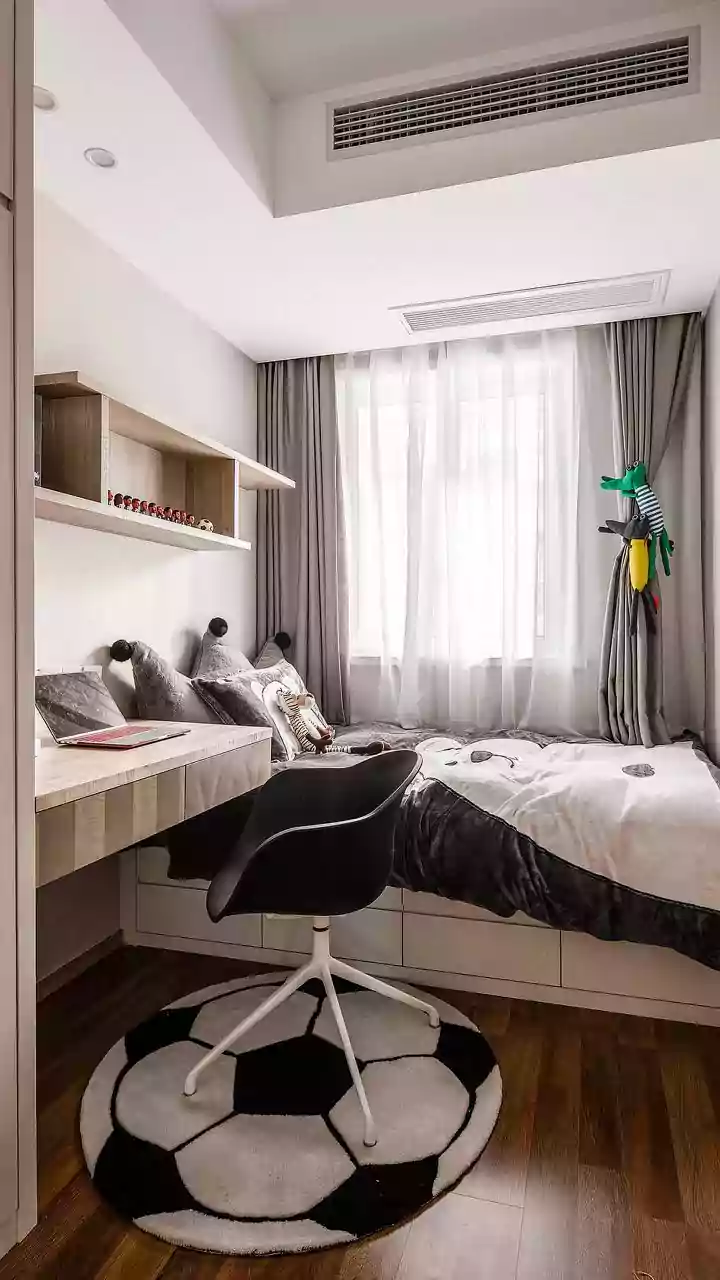
One of the most popular and visually light approaches is the floating desk. This involves mounting a sturdy slab of wood, laminate, or another material directly to the walls of the corner. This creates a functional work surface without any legs, leaving the floor space underneath completely open. This not only makes the area feel larger but also provides room for a discreet rolling file cabinet that can be tucked away or even space for your feet to move. Floating shelves installed above the desk surface can provide vertical storage for books and supplies, keeping the work area itself clear and organized. This minimalist approach is perfect for those who need a dedicated spot for a laptop and a notebook but don't want the visual weight of traditional office furniture.
Built-Ins for a Seamless Look
For a more permanent and polished solution, a custom built-in is the ultimate space-saver. This involves creating a desk and shelving system that is an integral part of the wall. While it requires more planning and investment, the result is a highly functional and cohesive workspace that looks like it was always meant to be there. Built-ins can be tailored precisely to your needs, incorporating features like hidden cable management, integrated lighting, and specific compartments for printers or files. They can be painted the same color as the walls to blend in or a contrasting color to create a deliberate focal point. This method truly embodies the idea of adding a work area without adding furniture, as the office becomes part of the architecture itself.
The 'Cloffice' Revolution
Perhaps the most ingenious solution for creating a workspace without sacrificing floor space is the 'cloffice'—an office built inside a closet. This concept is perfect for those who want the ability to completely hide their work at the end of the day. By removing the closet doors or replacing them with bifold or curtain options, you can install a desk surface and shelving within the closet's footprint. The best part? When you're done working, you can simply close the doors and the office disappears, allowing you to maintain a clear separation between work and life. It's a powerful way to reclaim unused closet space and create a private, focused work zone.
Defining the Zone with Paint and Light
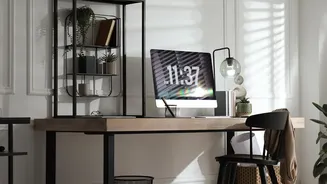
Creating a work area isn't just about the physical desk; it's also about psychological separation. You can designate your corner nook as a distinct zone without adding any furniture at all. Painting the corner, including the walls and even a section of the ceiling, in a different color can create a visual 'room within a room'. This technique, known as zoning, helps anchor the space and signal a shift in function. Lighting is also crucial. A stylish pendant light or a focused wall-mounted sconce over the desk area not only provides necessary task lighting but also helps to define the workspace as a separate entity from the rest of the room.
Ergonomics in Tight Quarters
While style is important, function and comfort are paramount for a space you'll use for hours. Even in a small corner, you can make ergonomic choices. The ideal setup places your monitor at eye level, about an arm's length away, to avoid neck strain. Your elbows should be at a 90-degree angle when typing. For floating desks, ensure the height is set for this position. If using a laptop, a separate keyboard and a stand to elevate the screen are essential for good posture. A supportive chair is important, but if space is tight, even adding a cushion for lumbar support to a dining chair can make a difference. Remember to take frequent breaks to stretch and move around.