






What Exactly Is Seaweed Concentrate?
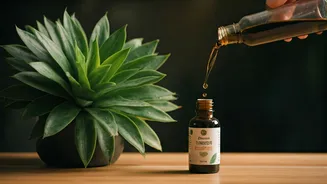
Think of seaweed concentrate not as a typical fertiliser, but as a super-tonic or a biostimulant for your plants. It isn't primarily about providing the big three nutrients—Nitrogen (N), Phosphorus (P), and Potassium (K)—that you see on standard fertiliser bags.
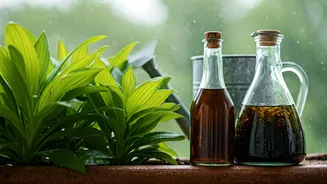
Instead, it’s a dark, rich liquid derived from kelp, packed with a complex cocktail of over 60 micronutrients, minerals, amino acids, and, most importantly, natural plant growth hormones. These components work together to boost a plant’s overall health and resilience from the inside out, making it better equipped to handle environmental stress.
The Science Behind Fighting Humidity
High humidity poses a double threat to plants. First, it slows down transpiration—the process where plants release water vapour from their leaves. When the air is already saturated, this process stalls, leading to poor nutrient circulation and a feeling of ‘drowning’ in the humid air. Second, the constant dampness creates a perfect breeding ground for fungal diseases like powdery mildew and black spot. This is where seaweed concentrate steps in. The natural growth regulators (like cytokinins) found in it promote stronger, more robust cell wall development. Thicker cell walls create a physical barrier that is much harder for fungal spores to penetrate. Furthermore, elements like potassium and various micronutrients improve the plant’s ability to regulate its internal water balance, helping it continue to function even when transpiration is low. It encourages stronger root systems, which are more efficient at absorbing nutrients and anchoring the plant, preventing issues like root rot in soggy soil.
Choosing the Right Kind of Concentrate
When you're shopping for seaweed extract, you'll likely see a few different types. For the best results, look for a liquid concentrate that is “cold-pressed.” The cold-pressing method preserves the delicate plant hormones and enzymes that can be destroyed by heat-based extraction processes. The label should clearly state that it's made from kelp (often Ascophyllum nodosum) and is intended for horticultural use. Many reputable Indian and international brands are now easily available online and in local garden centres. Don't get too bogged down by brands; focus on finding a pure, cold-pressed liquid kelp product.
How to Use It in Your Balcony Garden
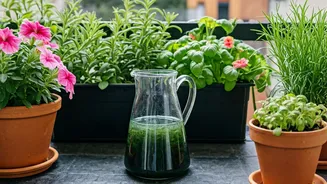
Using seaweed concentrate is simple and effective. It's potent, so a little goes a long way. The general rule is to dilute about 2-5 ml of the concentrate in one litre of water, but always check the specific instructions on the bottle. There are two main ways to apply it: 1. **Soil Drench:** Simply water your plants with the diluted solution. This method delivers the nutrients directly to the root zone, promoting a strong and healthy root system that is crucial for withstanding stress. 2. **Foliar Spray:** Pour the diluted solution into a spray bottle and mist the leaves of your plants, ensuring you cover both the tops and undersides. The leaves can absorb the nutrients directly, providing a quick health boost. It’s best to do this in the early morning or late evening to avoid leaf burn. During periods of high humidity like the monsoon, a regular application every 15-20 days can make a significant difference.
Which Plants Benefit the Most?
While nearly all plants can benefit from a seaweed tonic, some balcony garden favourites show a particularly positive response, especially in humid conditions. Flowering plants like hibiscus, roses, bougainvillaea, and jasmine often produce more vibrant blooms and are less susceptible to fungal attacks. Vegetable plants such as tomatoes, chillies, and brinjal become sturdier and more productive. Even delicate herbs like basil and mint, which can suffer quickly from mildew, show increased vigour and resilience. It helps give them the strength they need to push through the toughest parts of the season.