


The Soul of Flavour
Known as tadka, chaunk, or vaghar in various parts of India, tempering is a foundational technique where whole or ground spices are briefly fried in hot oil or ghee. This fragrant, infused fat is then poured over a dish, often at the end, to add a final,
complex layer of flavour. It’s the reason a simple bowl of lentils transforms into a deeply comforting dal, and why steamed vegetables can become a vibrant sabzi. The process is a swift but powerful chemical reaction that has been perfected over centuries, long before modern food science could explain why it works so well. It is, in essence, the beating heart of Indian cooking, responsible for the cuisine's signature aromatic complexity.
The Science of Flavour Extraction
The magic of tadka is rooted in chemistry. Most of the aromatic compounds that give spices like cumin, mustard, and coriander their distinct character are fat-soluble, not water-soluble. This means their essential oils and flavours remain locked within their cellular structure when added to a water-based dish like a soup or curry. Hot fat, however, acts as a non-polar solvent. When spices are added to hot oil heated to the right temperature, a few things happen instantly. The heat ruptures the spices' tough cell walls, releasing the volatile oils within. These flavour compounds then dissolve into the oil, which acts as a perfect carrier, distributing the aroma and taste evenly throughout the entire dish. This process is far more efficient than boiling, extracting significantly more flavour than water ever could.
Creating Deeper, Richer Tastes
Beyond simply extracting existing flavours, the high heat of tadka also creates new ones. The browning of spices in hot oil triggers the Maillard reaction, a complex chemical process between amino acids and sugars. This is the same reaction that gives seared steak, toasted bread, and roasted coffee their deep, savoury notes. This reaction generates hundreds of new aroma molecules, adding a roasted, nutty complexity that the raw spice simply does not possess. It’s a controlled transformation, which is why temperature is so critical; the goal is to toast the spices to release their essence, not burn them, which would create a bitter taste.
Unlocking Nutrients for Better Absorption
This ancient technique also has a profound impact on nutrition. Many of the most powerful bioactive compounds in spices, which are responsible for their health benefits, are lipophilic, or fat-soluble. Curcumin, the potent anti-inflammatory compound in turmeric, is a prime example. It has very poor water solubility and is not easily absorbed by the body on its own. When bloomed in hot fat during a tadka, curcumin dissolves into the oil, making it significantly more bioavailable—meaning the body can absorb and utilize it more effectively. The same principle applies to other fat-soluble vitamins like A, D, E, and K found in many spices. Tempering in oil is therefore a traditional wisdom that modern science confirms is a highly effective way to turn spices into a natural pharmacy.
The Art of the Perfect Sizzle
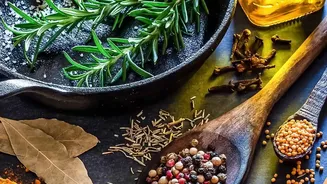
While the science is complex, the execution of tadka is an art form that relies on timing and sensory cues. The temperature of the oil must be just right—hot enough to make the spices sizzle and pop, but not so hot that it's smoking, which will scorch them. There is also a non-negotiable order of operations based on density and burn time. Hard, whole seeds like mustard and cumin go in first; their popping sound is the audible signal that the oil is at the perfect temperature and their cell walls are fracturing to release their oils. More delicate ingredients like dried chillies, curry leaves, and asafoetida follow. Finally, ground spices like turmeric or chilli powder are often added last, sometimes with the heat turned off, as their large surface area means they can burn in seconds.