

The aroma of freshly steamed idlis is a cherished part of a South Indian morning. But what if this beloved breakfast could be even healthier? Enter foxtail millet idli, a nutritious twist that swaps rice for an ancient, powerhouse grain.
Meet the Ancient Grain: What Is Foxtail Millet?
Foxtail millet,
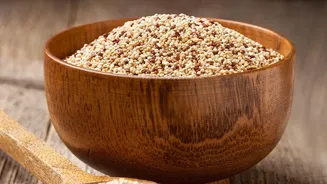
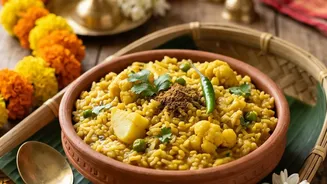
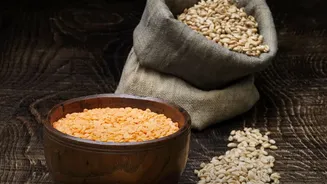
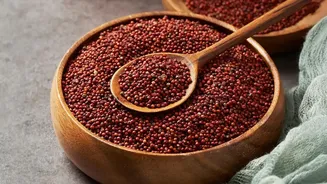
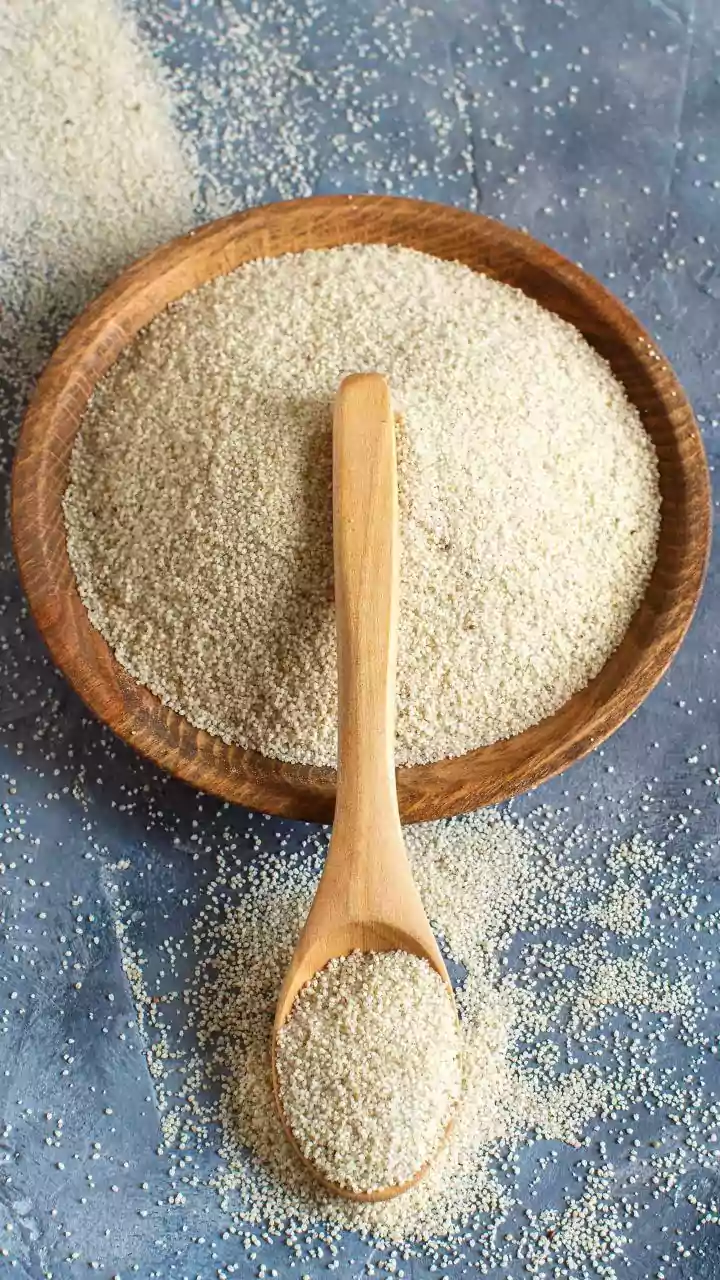
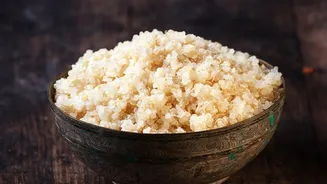
known as 'Thinai' in Tamil, 'Kangni' in Hindi, and 'Korra' in Telugu, is one of the oldest cultivated millets in the world. For centuries, it was a staple food across India and Asia before rice and wheat became dominant. This tiny, yellowish grain is making a major comeback as people rediscover its incredible nutritional profile and versatility. Unlike refined grains, foxtail millet is a whole grain, meaning it retains its nutrient-rich bran and germ. It's naturally gluten-free, making it an excellent choice for those with gluten sensitivity or celiac disease.
The Nutritional Powerhouse on Your Plate
Swapping traditional rice for foxtail millet in your idlis offers a significant nutritional upgrade. Foxtail millet is packed with dietary fibre, which is crucial for good digestion and helps keep you feeling full for longer, aiding in weight management. It's also a great source of plant-based protein and is rich in essential minerals like iron, calcium, magnesium, and phosphorus. This mineral content is vital for strengthening bones and boosting overall immunity. Perhaps its most celebrated benefit is its low glycemic index (GI), which means it releases sugar into the bloodstream slowly. This makes it particularly beneficial for managing blood sugar levels, and an excellent grain for people with diabetes.
Taste and Texture: How Does It Compare?
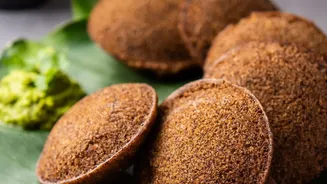
Many people wonder if switching to millet will compromise the classic idli experience. Foxtail millet idlis are surprisingly soft and fluffy, much like their rice-based counterparts. They have a slightly denser texture and a subtle, nutty flavour that many find appealing. While the colour is a light yellow instead of pure white, the overall sensory experience is delightful. Some recipes use only foxtail millet, while others blend it with a small amount of rice or urad dal to achieve a texture that’s very close to traditional idlis. The denser nature also has an advantage: you might find yourself satisfied after eating fewer idlis than usual.
Making Foxtail Millet Idli at Home
Preparing foxtail millet idli is quite similar to the traditional method. The process involves soaking, grinding, and fermenting. Typically, the foxtail millet is washed and soaked for four to five hours, sometimes along with a small portion of urad dal and fenugreek seeds. After soaking, the ingredients are ground into a smooth batter. It's important to use water sparingly during grinding to achieve the right consistency. The batter is then left to ferment overnight, usually for about eight to ten hours, until it becomes light and airy. Once fermented, the batter is ready to be poured into greased idli moulds and steamed for about 12 to 15 minutes. The resulting idlis can be served hot with your favourite sambar and chutney.
A Simple Step Towards Healthier Eating
Incorporating foxtail millet idlis into your breakfast routine is more than just a simple food swap; it's a step toward a more balanced and nutrient-dense diet. Millets are not only good for you but also for the planet, as they are hardy crops that require less water to grow compared to rice. By choosing millet-based foods, you are embracing a grain that provides sustained energy, supports digestive health, and helps manage blood sugar. It’s an easy and delicious way to enjoy a South Indian classic while getting more fibre, protein, and essential minerals onto your plate.