






From Concrete Jungle to Green Corridor
In the heart of bustling Indian cities, a quiet revolution is taking root. Urban dwellers are converting their balconies, terraces, and windowsills into miniature gardens. But this is more than just an aesthetic upgrade; it’s a powerful act of ecological
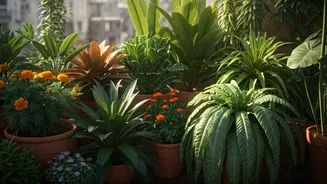
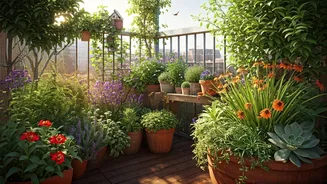
restoration. These small patches of green act as vital ‘stepping stones’ or ‘green corridors’ that connect fragmented habitats. For urban wildlife like birds, bees, and butterflies, navigating a city is a challenge. A network of terrace gardens provides safe passage, allowing them to move, feed, and find shelter across the urban landscape, which is crucial for maintaining healthy ecosystems and genetic diversity. Each planted balcony, no matter how small, contributes to a larger network, creating a life-sustaining web for the creatures that share our cities.
Who Are You Helping? The Urban Wildlife
The primary beneficiaries of this trend are pollinators—the unsung heroes of our ecosystem. Bees, butterflies, and even some birds are essential for the reproduction of many plants, including a significant portion of the fruits and vegetables we eat. With urbanisation leading to habitat loss, their numbers are in decline. A well-stocked terrace garden provides a crucial source of nectar and pollen. Beyond pollinators, these gardens offer refuge for various birds. They find food in the form of seeds and berries, shelter among dense foliage, and a place to rest during migration. By adding a simple water source, you can also give these creatures a place to drink and bathe, which is especially important during dry, hot weather.
Planting for Pollinators: Your Flower Power Guide
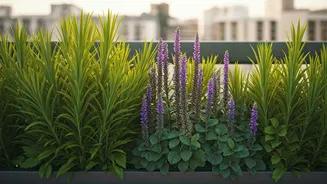
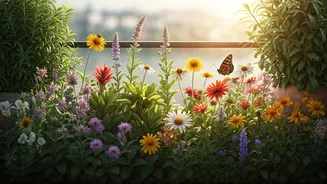
The key to a successful wildlife garden is choosing the right plants. For an Indian context, certain flowers are magnets for pollinators. Marigolds, with their bright blooms, are hardy, easy to grow, and loved by bees and butterflies. Fragrant Lavender and Butterfly Pea (Aparajita) are also excellent choices, attracting bees and butterflies respectively. The sacred Tulsi plant, a staple in many Indian homes, also attracts beneficial insects with its nectar-rich flowers when it blooms. To ensure a year-round food supply, plant flowers with staggered blooming times. Cosmos, Petunias, and Zinnias are other vibrant options that do well in pots and provide continuous nectar.
Creating a Complete Habitat
A truly wildlife-friendly garden offers more than just food. Think about providing shelter. Densely planted shrubs or climbing plants on a trellis can offer birds a safe place to hide from predators. You can also install a 'bee hotel'—a small structure with hollow tubes—to give solitary bees a safe place to nest. Most importantly, avoid chemical pesticides and herbicides, which can be harmful to visiting insects. Opt for organic solutions like neem oil or companion planting to manage pests. A shallow dish of water with pebbles or marbles for insects to land on can serve as a vital water source. This turns your balcony from a simple garden into a complete, thriving micro-habitat.
Your Simple Starter Plan
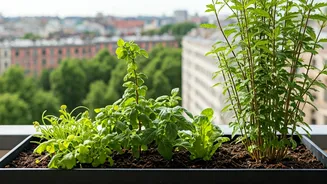
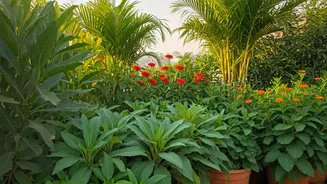
Ready to start? Begin by assessing your balcony's sunlight. Most flowering plants and vegetables need at least 4-6 hours of sun. Choose containers with good drainage holes to prevent root rot. For soil, use a light, nutrient-rich potting mix, which you can create by combining garden soil, coco peat, and compost. If you have limited floor space, think vertically. Use railing planters, hanging baskets, and wall-mounted shelves to maximise your growing area. Start with easy-to-grow, high-impact plants like marigolds, tulsi, or a curry leaf plant. Remember, even one pot can make a difference, providing a much-needed refuelling station for local wildlife.