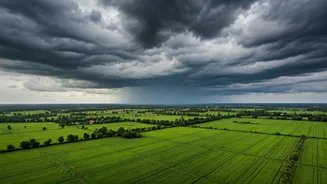









A Sudden, Soaking Arrival
The familiar scent of petrichor is finally filling the air across central and eastern India, but it’s accompanied by the roar of torrential rain. After a sluggish start that left much of the country facing a significant rainfall deficit, the southwest
monsoon has advanced with renewed vigour. The India Meteorological Department (IMD) has issued alerts for heavy to very heavy rainfall across numerous districts in Maharashtra and Odisha, signalling a decisive end to the dry spell. In Maharashtra, the monsoon has rapidly covered regions like Mumbai, the Konkan coast, and parts of Vidarbha. Similarly, it has swept across most of Odisha, bringing with it the downpours that are critical for the state's agriculture-dependent economy. This sudden intensification marks a crucial turning point in this year's monsoon season, bringing both relief and risk.
The Science Behind the Surge
So, what flipped the monsoon switch from 'off' to 'on'? The answer lies in a combination of favourable atmospheric conditions. Meteorologists point to the strengthening of westerly winds, which are the primary engine that pushes moisture-laden clouds from the Arabian Sea onto the subcontinent. Additionally, the formation of a cyclonic circulation over the Bay of Bengal has acted like a magnet, pulling the monsoon currents inland and directing them towards Odisha and neighbouring states. This system, combined with the monsoon trough—an elongated low-pressure area—settling into its normal position, has created a perfect storm for widespread, heavy rainfall. It’s a classic monsoon revival pattern, but its intensity after a prolonged lull has caught many by surprise, transforming parched landscapes into waterlogged zones almost overnight.
Maharashtra: Relief and Waterlogging
In Maharashtra, the monsoon's arrival has been a tale of two cities—and countrysides. For farmers in agrarian belts like Vidarbha and Marathwada, the rains are a lifeline, arriving just in time for the Kharif sowing season. The downpours are replenishing depleted reservoirs and providing the necessary moisture for crops like cotton and soybean. However, in urban centres, especially Mumbai and its satellite cities, the 'full power' of the monsoon has translated into familiar scenes of chaos. Waterlogged streets, disrupted local train services, and snarling traffic jams have become the order of the day. The Konkan coast, known for receiving intense rainfall, is on high alert for potential landslides and flooding in low-lying areas. Civic authorities are on their toes, managing overflowing drainage systems and issuing advisories for residents to exercise caution.
Odisha Braces for a Deluge
For Odisha, the monsoon's advance is critical for its paddy cultivation, but the IMD's warnings of 'very heavy' rainfall come with significant risk. Several coastal and southern districts have been placed under orange and yellow alerts, with authorities warning of flash floods and waterlogging in urban and low-lying areas. The state's disaster response machinery has been put on standby to deal with any emergencies. The heavy rainfall is expected to fill up the state's major river systems, which is beneficial for water security in the long run but poses an immediate threat of riverine flooding. For farmers, the rain is welcome, but its intensity is a concern; excessively heavy showers can damage young saplings and wash away topsoil. The focus for the next few days remains on navigating the immediate impact of this powerful monsoon surge while hoping it stabilises into a more consistent, beneficial pattern.
From Deficit to Downpour
This dramatic revival is crucial in the larger context of this year's season. Until this week, India was grappling with a nationwide rainfall deficit of around 20%. The delayed onset and weak progression had raised concerns about agricultural output and water availability in major reservoirs. This powerful spell is expected to significantly mitigate that deficit, particularly in central India. While the northern plains are still awaiting a robust monsoon arrival, the active phase over Maharashtra and Odisha is a positive sign. It demonstrates the monsoon's notoriously variable character—capable of long dormant periods followed by sudden, aggressive bursts. The challenge now is whether this momentum can be sustained and spread to other rain-deficient parts of the country in the coming weeks.