





A Case of Mistaken Identity
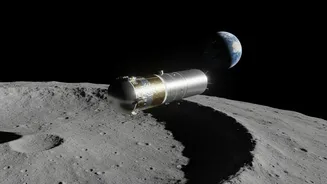
In early 2022, astronomers tracked a piece of space junk on a collision course with the Moon. Initially, it was identified as a spent upper stage from a SpaceX Falcon 9 rocket. However, further analysis revealed it was actually the booster from a 2014
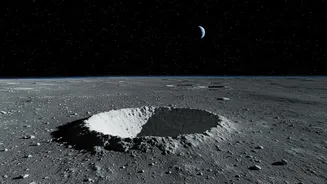
Chinese lunar mission, Chang'e 5-T1. The object, weighing several tonnes, had been in a chaotic orbit for over seven years before its final, fiery destination on the far side of the Moon. The episode highlighted a growing problem: we are creating more space debris, and we are not always great at tracking it. After the predicted impact on March 4, 2022, the next big question was, can we find the crater? It took scientists nearly three months to locate it.
Why Can't We Just Watch It Happen?
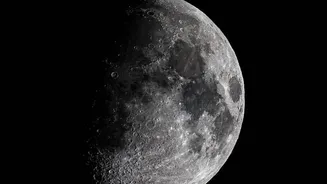
Finding a fresh crater on the Moon sounds simple, but it is a monumental task. The Moon has no atmosphere to burn up incoming objects, so it is constantly being hit by meteoroids. However, most of these are small. A rocket stage is much larger, but the Moon's surface is vast and already covered in countless craters. Unlike Earth, we do not have a global network of cameras constantly monitoring the entire lunar surface in high resolution. The impact flash from an event like the 2022 booster crash lasts less than a second and is often too faint to be seen from Earth-based telescopes. Furthermore, glare from the sunlit parts of the Moon can easily blind sensors trying to watch for faint flashes or track small objects.
The Detective Work of Finding Craters
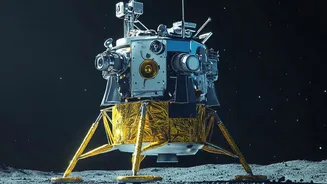
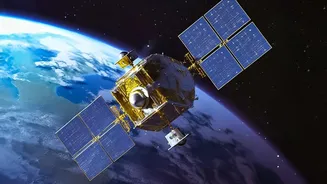
So how do scientists find these new blemishes? The primary tool for this celestial detective work is NASA's Lunar Reconnaissance Orbiter (LRO). This spacecraft has been mapping the Moon in incredible detail since 2009. The key technique is to compare 'before' and 'after' images of the predicted impact zone. Scientists narrow down the search area based on tracking data from astronomers on Earth. The LRO team then pores over new images of that area, looking for any changes. When they found the crater from the Chinese booster, they were surprised to see a double crater, an unusual feature that sparked debate about the object's structure. This painstaking process of image comparison is currently the most reliable way to confirm an impact and study its effects.
A Sky Full of Junk
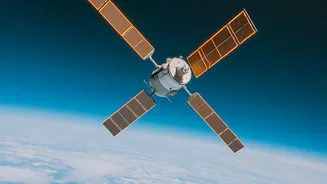
The stray rocket booster is part of a much larger issue of space traffic and debris in the Earth-Moon system, often called cislunar space. As more countries and private companies launch missions to the Moon, the risk of collisions and the amount of orbital debris are increasing. Stable lunar orbits are a limited resource, and as they get more crowded, the chances of two spacecraft getting too close for comfort rise significantly. The Indian Space Research Organisation (ISRO), for instance, has already had to manoeuvre its Chandrayaan-2 orbiter multiple times to avoid potential collisions. This growing orbital congestion makes tracking every piece of hardware, operational or defunct, a critical task for ensuring the safety of current and future missions.
Why Finding These Craters Matters
Locating and studying these artificial impact craters is more than just an astronomical curiosity. These impacts serve as valuable experiments. They help scientists understand the physics of crater formation and the properties of the lunar surface, or regolith. The ejected material can reveal information about the composition of the ground just beneath the surface. For future lunar exploration, including India's Chandrayaan program and NASA's Artemis missions, this information is vital. Knowing how man-made objects create craters and spray debris helps engineers design safer habitats and plan landing sites away from potential hazards. Each located crater, whether from a natural meteoroid or a retired rocket, provides a new data point for building a safer and more sustainable human presence on the Moon.