

The Genius of Stem-Infused Oils
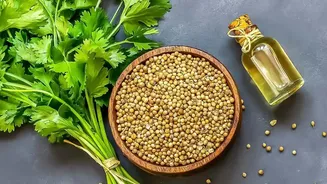
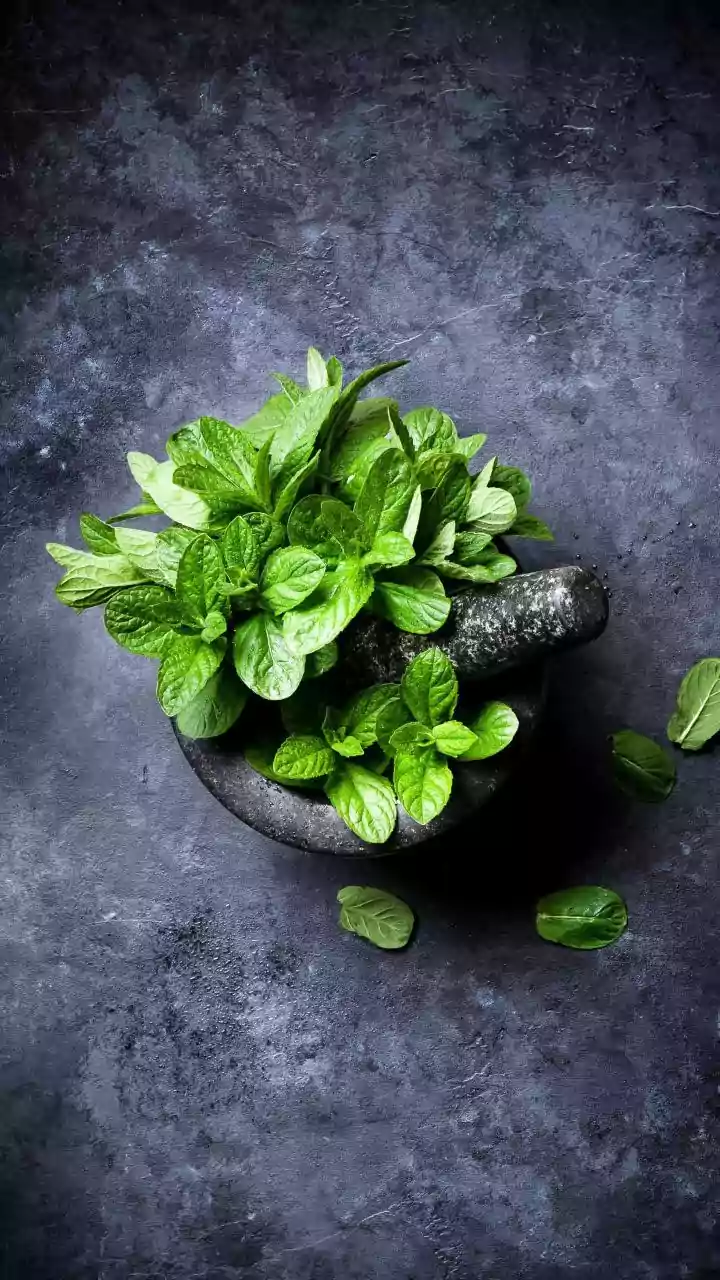
Root-to-stem cooking is a sustainable approach that aims to use every part of a vegetable, and soft herb stems from plants like coriander, mint, and parsley are perfect candidates. While often discarded, these stems are packed with the same aromatic compounds
as the leaves. By gently infusing them in oil, you extract that concentrated flavour, creating a versatile pantry staple that saves money and prevents food waste. The process is straightforward, involving gently heating the stems with oil to transfer their essence. The resulting product is a flavourful oil that can be used for everything from drizzling over dishes to forming the base of a salad dressing or marinade.
Choosing Your Ingredients
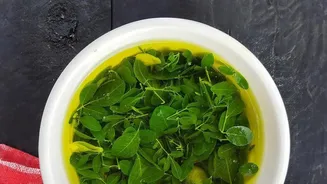
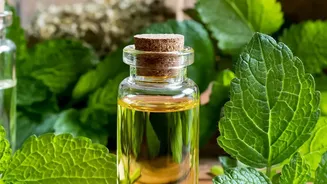
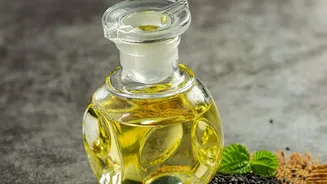
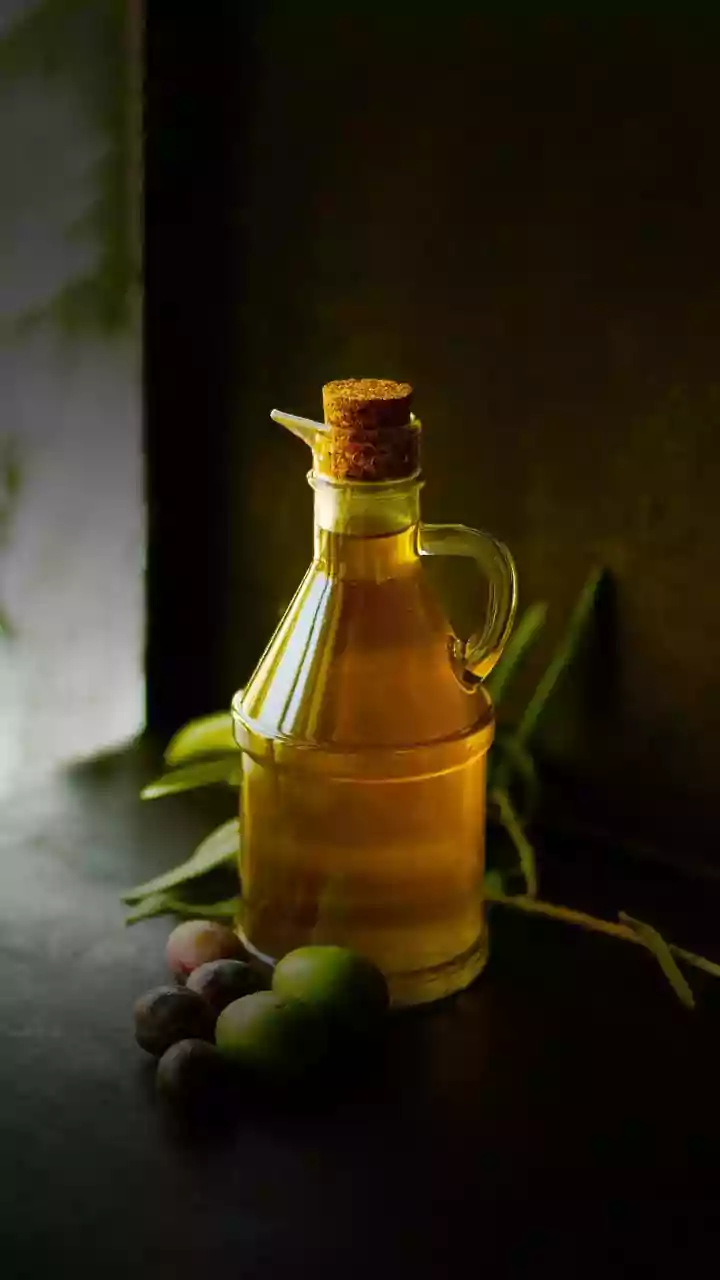
The success of your infusion starts with two key components: the herb stems and the carrier oil. For stems, focus on soft, fresh herbs like coriander, mint, parsley, and dill, as their stems are flavourful and break down well. Ensure they are washed and, most importantly, thoroughly dried, as excess moisture can lead to spoilage. For the oil, a neutral-flavoured option like grapeseed, sunflower, or a light olive oil is an excellent choice, as it won't overpower the delicate herb notes. Olive oil is a popular, affordable option with a good shelf life that complements many herbs. Ultimately, the goal is to let the herb's character shine through.
The Gentle Heat Infusion Method
There are several ways to infuse oils, but a gentle, low-heat method is quick and effective for extracting flavour from herb stems. Start by coarsely chopping your clean, dry coriander and mint stems. Combine the stems and your chosen oil in a small saucepan, using a ratio of roughly one part herb to two parts oil by volume. Heat the mixture over very low heat for two to three hours. The temperature should remain low—between 65–82°C—to avoid cooking the herbs or damaging the delicate flavours. The goal is a gentle infusion, not a deep fry. You will know it's working as the kitchen fills with a beautiful, fresh aroma. Avoid overheating, which can destroy the very compounds you're trying to capture.
Straining and Safe Storage
Once the infusion is complete and the oil has cooled, it's time to strain out the solids. Place a fine-mesh sieve or a piece of cheesecloth over a clean, sterilised glass jar and pour the oil through. For an even clearer oil, you can strain it a second time through a coffee filter. Allow gravity to do the work; don't press down on the stems, as this can introduce bitterness and cloudiness. Because fresh herbs contain water, homemade infused oils must be stored properly to prevent bacterial growth, including the risk of Clostridium botulinum. For maximum safety, your freshly made oil should be stored in an airtight container in the refrigerator and used within one week. For longer storage, you can freeze the oil.
Creative Ways to Use Your Herb Oil
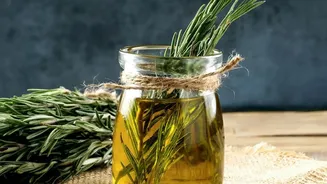
Now for the fun part: using your liquid gold. A drizzle of homemade coriander or mint oil can transform a simple dish. Use it as a finishing oil over roasted vegetables, grilled meats, or fish to add a final burst of freshness. Whisk it into a vinaigrette with lemon juice and a pinch of salt for a vibrant salad dressing. Stir it into warm pasta with parmesan or toss it with roasted potatoes. Mint-infused oil can be a surprising and refreshing addition to fruit salads or even drizzled over desserts. Basil stem oil is perfect for pasta or pizza, while rosemary stem oil pairs beautifully with roasted chicken or lamb. These oils are a simple way to add a layer of gourmet flavour with minimal effort.