



As winter approaches, many Indian families are looking beyond typical holidays for experiences that are both exciting and enriching. A wildlife safari offers the perfect solution, blending the raw thrill of the jungle with a hands-on education in nature.
An Adventure Beyond the Screen
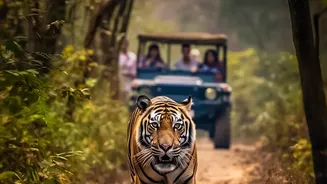
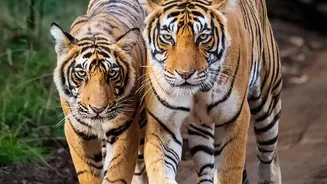
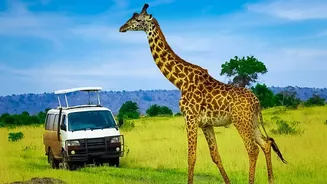
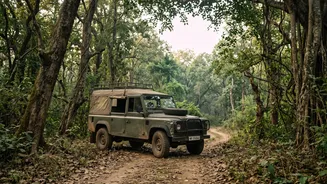
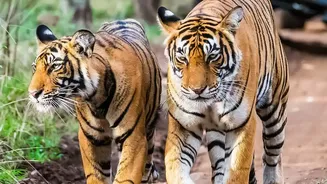
In an age dominated by digital distractions, a wildlife safari offers a compelling reason to unplug. The adventure begins at dawn, with the crisp winter air and the anticipation of what lies ahead. It's not just about the star attraction, like a Bengal tiger, but the entire experience: the bumpy jeep ride, the chorus of jungle sounds, and the thrill of tracking unseen animals. For children, this is an adventure that feels real and immediate. Unlike a theme park, the jungle is unpredictable. The excitement of spotting a herd of elephants, a leopard darting across the path, or colourful birds flitting through the canopy creates memories that last far longer than any screen-based entertainment. This shared experience of patiently waiting and the sudden reward of a sighting helps families bond in a unique and meaningful way.
The Jungle as a Living Classroom
A safari is one of the most effective classrooms a child can experience. Seeing animals in their natural habitat brings textbook lessons to life. Expert naturalists and guides accompanying the safari often explain the intricacies of the ecosystem in ways children can understand. They learn to identify animal tracks, recognise bird calls, and understand the delicate balance of the food chain. This experience fosters a deep appreciation for the environment and the importance of conservation. Parks like Kanha and Jim Corbett even have dedicated museums or interpretation centres to enhance this learning with interactive exhibits about local flora and fauna. It's an education that feels less like a lesson and more like solving a fascinating puzzle, igniting a lifelong curiosity about the natural world.
India's Prime Winter Safari Destinations
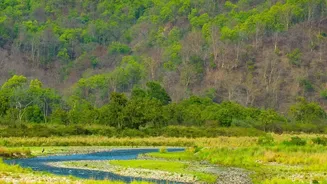
Winter is an ideal time for wildlife safaris in India. The pleasant weather makes for comfortable exploration, and the reduced foliage often improves visibility. Several national parks are particularly well-suited for family trips. Ranthambore National Park in Rajasthan combines incredible tiger-sighting opportunities with a historical backdrop of ancient forts and ruins, making it a visually stunning experience. Jim Corbett National Park in Uttarakhand, India's oldest, offers a gentler landscape with a high chance of spotting elephants and a variety of birdlife, making it great for first-timers. For those inspired by 'The Jungle Book', Pench National Park in Madhya Pradesh offers a lush setting and is known for being family-friendly.
Developing Life Skills in the Wild
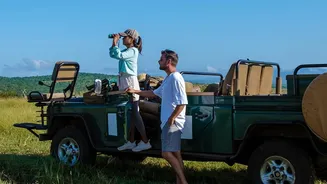
Beyond the academic learning, a safari teaches invaluable life skills. The act of waiting quietly for a potential sighting cultivates patience and observation—skills that are often underdeveloped in a fastpaced world. Children learn to use their senses, listening for the alarm call of a deer that might signal a nearby predator or scanning the trees for a camouflaged bird. They develop a sense of respect for nature and an understanding of the need to follow rules for their own safety and the wellbeing of the animals. This immersive experience builds confidence, independence, and a broader perspective on the world that simply cannot be gained at home or in school.
Family Friendly Comfort in the Wilderness
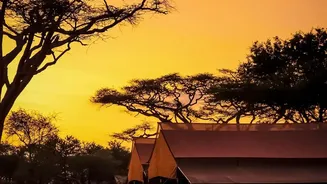
Recognising the growing trend of family wildlife tourism, many jungle lodges and resorts now cater specifically to this audience. Accommodations range from comfortable cottages to luxury tents, ensuring a good night's rest after a day of adventure. Many establishments offer amenities like swimming pools, and some even provide kidfocused activities such as junior naturalist programs, storytelling sessions, and guided nature walks around the property. Safari operators are also accommodating, offering private jeeps for a more personalised experience or advising on safari zones that are best suited for families with younger children. This focus on comfort and safety makes the wild accessible and enjoyable for every member of the family, from toddlers to grandparents.