

1. The Earthen Foundation: Terracotta and Wood
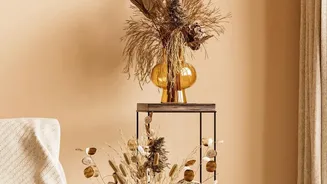
The headline pairing is a classic for a reason. Terracotta, with its matte, porous, and slightly rough surface, offers an authentic, earthy feel. When placed against the smooth, polished grain of woods like oak, teak, or walnut, the contrast is both visually
and tactilely satisfying. The warmth of the terracotta is complemented by the organic warmth of the wood, creating a space that feels grounded and natural. Think of small terracotta pots on a sleek wooden bookshelf, a large terracotta vase on a polished wood floor, or even terracotta tiles adjacent to a smooth wooden cabinet. This combination creates a rustic yet refined atmosphere that feels both timeless and deeply comforting.
2. Woven Warmth Meets Metallic Sheen: Jute and Metal
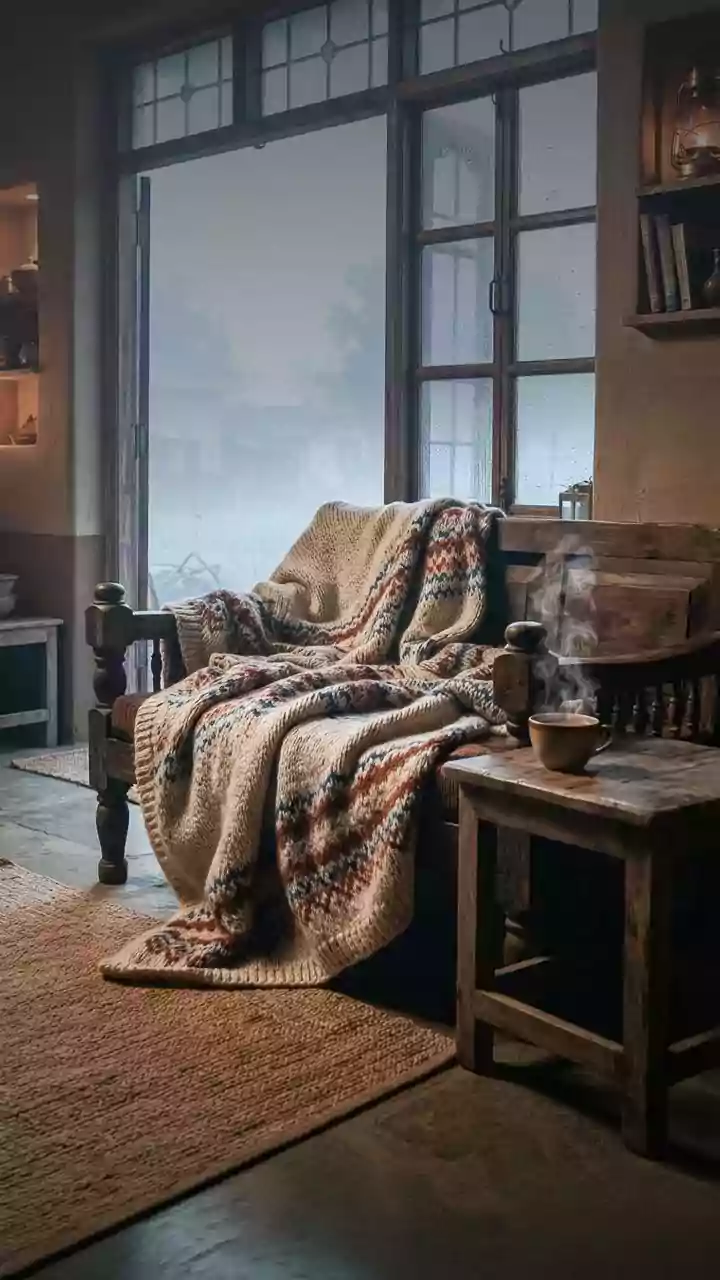
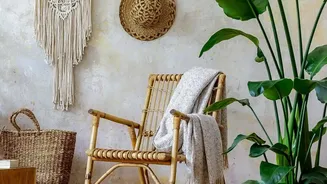
For another study in contrasts, look to the pairing of natural, fibrous jute with sleek, cool metal. Jute, often seen in rugs, baskets, and wall hangings, has a coarse, rustic texture that adds instant warmth and a handmade feel. When this is set against the smooth, reflective surface of metals like brass, chrome, or black steel, the result is a sophisticated balance. Imagine a chunky jute rug anchoring a living room, with a coffee table featuring slim, metallic legs on top. Or consider woven jute storage baskets on a minimalist metal shelving unit. The roughness of the jute absorbs light and adds coziness, while the metal reflects it, providing a touch of modern sharpness and definition.
3. Soft Contrast: Raw Linen and Smooth Leather
Texture isn't just for hard surfaces; textiles are a powerful tool for creating depth. The combination of raw, nubby linen and smooth, supple leather is a masterclass in comfortable luxury. Linen has a naturally breathable, slightly uneven weave that feels relaxed and airy. In contrast, leather offers a sleek, solid surface that adds structure and a touch of opulence. A common application is pairing a classic leather sofa with light, breezy linen cushions and throws, which prevents the leather from feeling too stark or cold. Alternatively, linen-upholstered chairs gathered around a dining table can be beautifully grounded by leather placemats or a single leather accent chair in the corner. This pairing feels both elegant and effortlessly liveable.
4. Urban Nature: Exposed Brick and Sheer Fabric
This pairing balances architectural ruggedness with delicate softness. An exposed brick wall is a powerful statement, offering a rich, variegated texture and an industrial or historic character. Its inherent roughness and pattern can sometimes feel overwhelming. To counteract this, introducing soft, sheer fabrics like voile or linen curtains creates a beautiful contrast. The light-filtering quality of the sheer fabric softens the hard edges of the brick, adding an ethereal, airy quality to the room. The way light passes through the delicate textile and then grazes the textured brick wall creates a dynamic play of light and shadow, making the space feel both strong and serene.
5. Modern Luxury: Concrete and Velvet
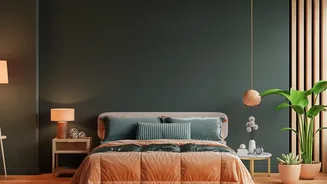
Once relegated to industrial spaces, concrete has become a chic material in modern interiors, used for floors, countertops, and even walls. Its cool, matte, and sometimes raw surface provides a minimalist, sculptural backdrop. To keep it from feeling too cold or austere, pairing it with plush, soft velvet is a stroke of genius. The deep pile and subtle sheen of velvet upholstery on a sofa or armchair offers a luxurious and inviting contrast to the utilitarian nature of concrete. A jewel-toned velvet cushion on a concrete bench or a plush velvet headboard against a smooth concrete wall introduces both warmth and a point of decadent comfort, proving that even the most humble materials can feel opulent with the right partner.