



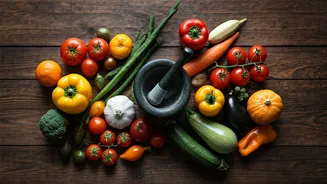


The Freedom of Fewer Choices
We’ve all been there: standing in the grocery store, paralysed by endless options. Planning a menu can quickly become a complex task. This is where seasonal eating offers a breath of fresh air. Instead of choosing from everything, you’re focusing on what’s
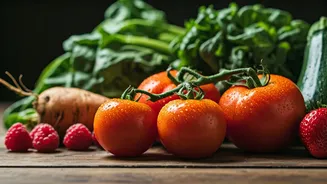
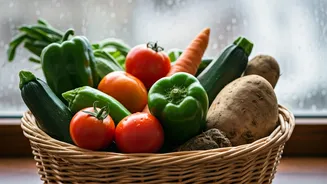
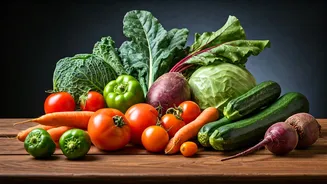
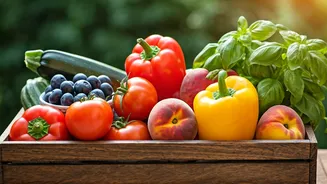
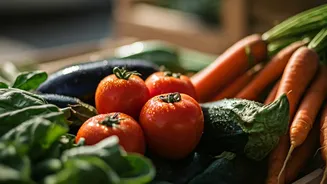
at its peak *right now*. This creative constraint doesn’t limit you; it liberates you. Your decision-making process becomes instantly streamlined. Thinking about a winter dinner? Your mind naturally gravitates towards warming dishes with root vegetables like carrots and beets. A summer brunch? The vibrant flavours of mangoes, tomatoes, and cucumbers take centre stage. By letting the season guide your menu, you reduce mental clutter and can focus on the simple pleasure of cooking.
Peak Flavour, Minimal Effort
Food that is grown and harvested in its natural season simply tastes better. A winter carrot is sweeter, a monsoon-era bhutta (corn on the cob) is juicier, and a summer mango is incomparably fragrant. When your core ingredients are bursting with flavour, you don't need to do much to make them shine. A simple roast, a light dressing, or a quick stir-fry is often all it takes. This means less time fussing over complicated recipes and more time enjoying the company of your guests. It also means you’re less likely to need heavy sauces or excessive seasonings to mask lacklustre, out-of-season produce, resulting in fresher, cleaner-tasting dishes.
From Root to Tip: The Low-Waste Advantage
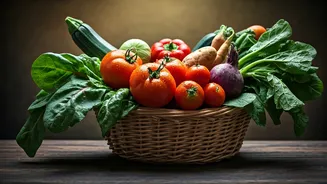
Seasonal produce, often sourced locally, is fresher and more robust. This vitality encourages a ‘root-to-tip’ or ‘nose-to-tail’ cooking philosophy. Those carrot tops you might normally toss? They can be blitzed into a zesty pesto or chutney. The sturdy stems of winter greens like spinach or mustard greens can be finely chopped and added to sabzis or dals for extra texture and nutrients. Watermelon rinds can be pickled into a delicious condiment. When you buy produce that’s fresh and full of life, you feel more inspired to use every part of it. This practice not only drastically cuts down on kitchen waste but also stretches your budget, as you’re getting more utility out of every single vegetable you buy.
Sourcing Smartly and Locally
Embracing seasonal food naturally encourages you to shop closer to home. Your local vegetable vendor or neighbourhood farmers' market is the best source for what’s truly in season. Buying local has a powerful ripple effect: it supports your community's economy and significantly reduces ‘food miles’—the distance your food travels from farm to plate. Less transportation means a smaller carbon footprint, which is a cornerstone of sustainable living. Building a relationship with local vendors can also be incredibly rewarding. They can tell you what’s freshest, offer tips on how to prepare it, and might even introduce you to a new local variety you’ve never tried before.
Planning for Abundance, Not Excess
A low-waste mindset is as much about planning as it is about cooking. Before you shop, plan your menu around a few star seasonal ingredients. This helps you create a focused shopping list and prevents impulse buys that often go to waste. When planning portions, it's better to have just enough than a mountain of leftovers. But if you do have food left over, have a plan. Send guests home with pre-portioned parcels. Research simple recipes to transform leftovers—yesterday’s roasted vegetables can become today’s delicious soup or frittata filling. This intentional approach ensures that the beautiful seasonal food you’ve bought nourishes people, not your dustbin.