






The Great Unwinding
For years, the Indian holiday was a predictable affair: a mad dash through the mountains, a whirlwind tour of historical forts, or a fight for a spot on a crowded beach. Today, that script is being rewritten. A quiet revolution is underway, driven by
travellers seeking refuge from digital burnout and urban chaos. Recent travel reports confirm this shift, with a majority of Indian travellers now citing 'relaxation' as their primary motivation for a trip. This has given rise to the concept of 'slow travel'—a deliberate choice to experience a destination deeply rather than just seeing its sights. It’s about swapping a packed schedule for unplanned moments, choosing long walks over long drives, and favouring local homestays over commercial hotels. This search for 'hushpitality'—travel centred on tranquillity and nature—is leading Indians away from over-hyped hotspots and towards the nation’s hidden gems.
Why Jorhat? The Allure of Assam's Tea Capital
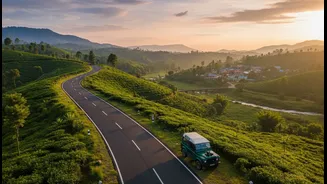
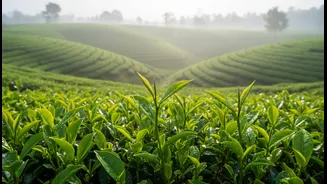
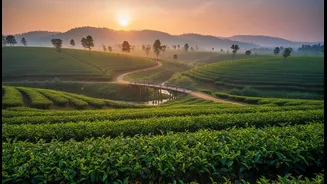
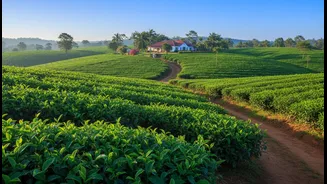
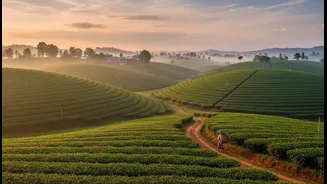
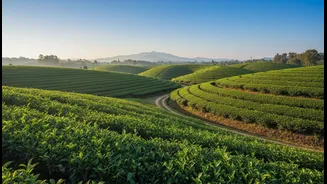
No destination exemplifies this trend better than Jorhat. According to a Skyscanner report, flight searches for this unassuming city surged by an incredible 493%, making it the top trending destination for Indian travellers in 2026. So, what’s behind this dramatic rise? The answer lies in its unique blend of calm, culture, and connection to nature. Known as the 'Tea Capital of India', Jorhat is surrounded by more than a hundred lush tea estates. It offers visitors the chance to stay in colonial-era heritage bungalows, walk through verdant plantations, and learn about the art of tea production firsthand. But its appeal extends beyond the brew. The city also serves as the primary gateway to Majuli, the world's largest river island, a serene hub of Assamese neo-Vaishnavite culture and monastic traditions known as Satras. This unique combination makes Jorhat a destination that offers both scenic beauty and profound cultural depth.
An Experience, Not Just a Destination
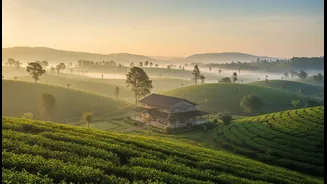
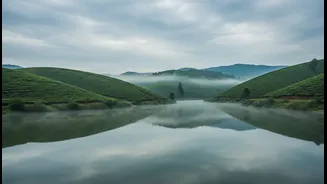
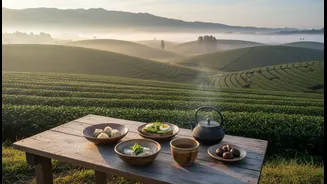
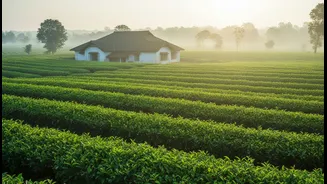
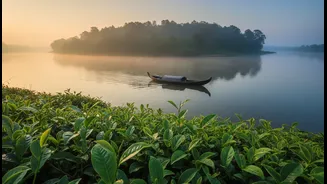
A holiday in Jorhat is less about what you see and more about what you feel. The experience is defined by a gentle rhythm. Mornings can be spent watching the mist rise over the tea gardens, afternoons can involve a leisurely ferry ride across the Brahmaputra to Majuli, and evenings are for quiet contemplation. Unlike commercialised tourist hubs, Jorhat’s charm lies in its authenticity. It encourages a more mindful form of travel, where the goal is not to conquer a checklist but to immerse oneself in the local way of life. Travellers are engaging in a different kind of tourism, one focused on visiting historic monasteries, exploring local markets, and simply enjoying the peaceful countryside surroundings. This unhurried pace allows for genuine connections—with nature, with culture, and with oneself.
A Blueprint for Sustainable Tourism
Jorhat’s success story is not happening in isolation. It is part of a broader tourism boom across Assam, which has welcomed over six crore visitors in the last decade. The state government is actively nurturing this growth by focusing on eco-tourism and strengthening local communities through initiatives like the 'Amar Alohi' homestay scheme. This focus on sustainable, community-driven tourism helps preserve the very authenticity that attracts visitors in the first place. Other areas in the state, like the Raimona National Park, are also seeing a surge in visitors, indicating a regional appetite for nature-based travel. By leveraging its natural assets and cultural heritage responsibly, Assam is creating a model for a more sustainable and equitable tourism future, where economic growth doesn't come at the cost of environmental and cultural integrity.