



Cosmic Dust from a Famous Comet
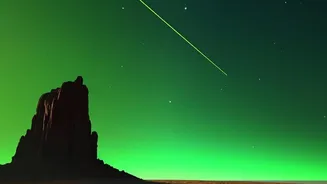
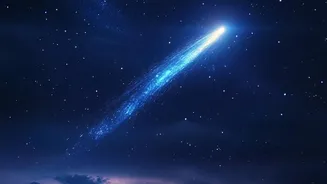
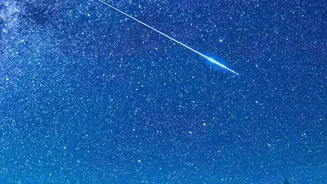
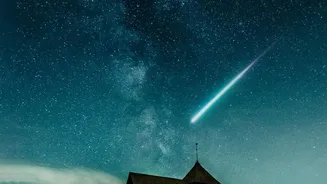
The Orionid meteor shower is an annual celestial event, considered one of the most beautiful of the year. These meteors are renowned for their brightness and speed, entering Earth's atmosphere at a staggering 66 kilometers per second. This incredible
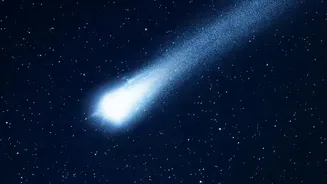
velocity means they can sometimes leave behind glowing trails of incandescent debris that linger for several seconds or even minutes. The Orionids are actually tiny fragments of one of the most famous objects in our solar system: Halley's Comet. This celebrated comet, which takes about 76 years to orbit the Sun, last visited our cosmic neighborhood in 1986. As it travels, it leaves a trail of icy dust and rock. Each year in October, Earth passes through this stream of debris, and the particles burn up in our atmosphere, creating the spectacle we call the Orionids. A second, related shower called the Eta Aquarids occurs in May from the same debris trail.
Peak Viewing Times in 2026
The Orionid meteor shower is active for a long window, from early October to early November. However, the best time to watch is during its peak, when Earth moves through the densest part of the debris stream. For 2026, the peak is expected on the night between October 21 and 22. Under ideal, dark-sky conditions, viewers can typically expect to see about 15 to 20 meteors per hour. While the shower is visible from both the Northern and Southern Hemispheres, the best viewing window each night is in the hours after midnight, leading up to dawn. This is when the shower's radiant—the point in the sky where the meteors appear to originate, near the constellation Orion—climbs highest.
The Challenge of a Bright Moon
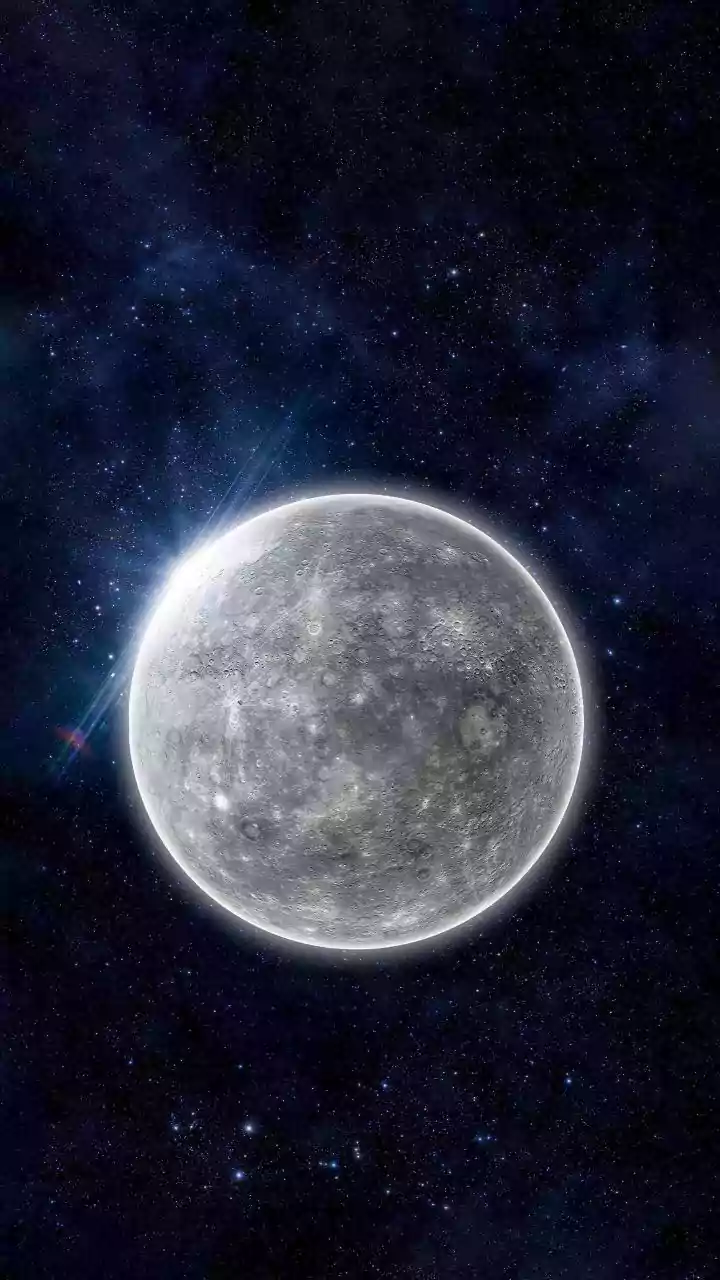
The major challenge for skywatchers in 2026 is the Moon. During the shower's peak on October 21-22, the Moon will be in a waxing gibbous phase, meaning it will be very bright for most of the night. This natural light pollution will make it difficult to see the fainter meteors, as the moonlight will wash them out. However, there is a crucial window of opportunity. On the peak mornings, the Moon will set around 3 a.m. local time. This creates a period of true darkness between moonset and the beginning of dawn, which will be the absolute best time to try and spot the Orionids. The few hours before sunrise will offer the darkest skies and the highest chance of seeing a good number of meteors.
How to Maximize Your Viewing Experience
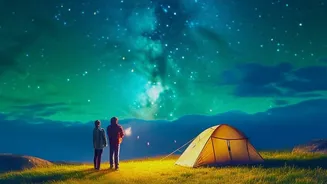
Even with a bright moon, you can still enjoy the show with some planning. First, get as far away from city lights as possible. Light pollution from urban areas drastically reduces the number of visible meteors. Find a dark, open space like a rural field or park. Second, use the Moon's setting to your advantage by planning your viewing for the pre-dawn hours after 3 a.m. If you do decide to watch earlier, try to position yourself in the shadow of a building or a line of trees to block the direct glare of the Moon. Third, give your eyes time to adjust. It takes about 20-30 minutes for your eyes to fully adapt to the dark, so put your phone away and be patient. You don't need a telescope or binoculars; your eyes are the best tool for the job. Lie back on a blanket or reclining chair and look up at the darkest part of the sky you can find. The meteors can appear anywhere, not just near Orion.
What to Expect and Enjoy
It's important to manage expectations for the 2026 Orionids. The bright Moon will undoubtedly reduce the total count of meteors you see. Instead of focusing on quantity, look for quality. The Orionids are known for producing exceptionally bright and fast meteors, and these are the ones most likely to punch through the lunar glare. You may not see 20 meteors an hour, but spotting a few brilliant fireballs streaking across the sky can be an unforgettable experience. The shower is known to have a broad peak, so if the weather is cloudy on the main night, you can still try your luck on the nights immediately before or after October 21-22. It’s a chance to connect with the night sky and witness the legacy of Halley's Comet firsthand, a spectacle that has captivated humanity for centuries.