






Why Choose an Eco-Stay?
Opting for an eco-stay over a conventional hotel or a mass-market package isn't just about avoiding the crowds; it’s a fundamental shift in how you experience a place. These stays are designed to have a minimal environmental footprint, often using renewable
energy, practicing waste recycling, and conserving water. More importantly, they are deeply integrated with the local community. Your money directly supports local families and conservation efforts, rather than large, distant corporations. The experience is inherently more authentic. You’re not just a tourist; you're a guest. You'll eat local food, learn about regional traditions, and connect with the land in a way that’s simply impossible from a high-rise hotel room.
The Intimate Backwater Homestay
While the image of a giant houseboat chugging through the backwaters is iconic, the reality can be noisy and environmentally taxing. A more serene alternative is a traditional homestay nestled along a quieter canal in areas like Kumarakom or the less-explored stretches near Alleppey. Here, you wake up to the sound of birds, not boat engines. Your hosts, often families who have lived there for generations, can guide you on canoe trips through narrow, village-side channels that larger boats can't access. You’ll eat meals cooked with ingredients plucked from the garden just hours before and gain a true understanding of life on the water. It’s a slower, more personal way to witness the magic of the backwaters.
The Highland Spice Plantation Retreat
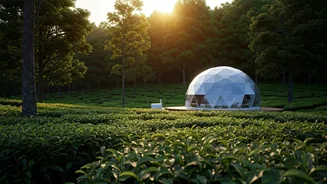
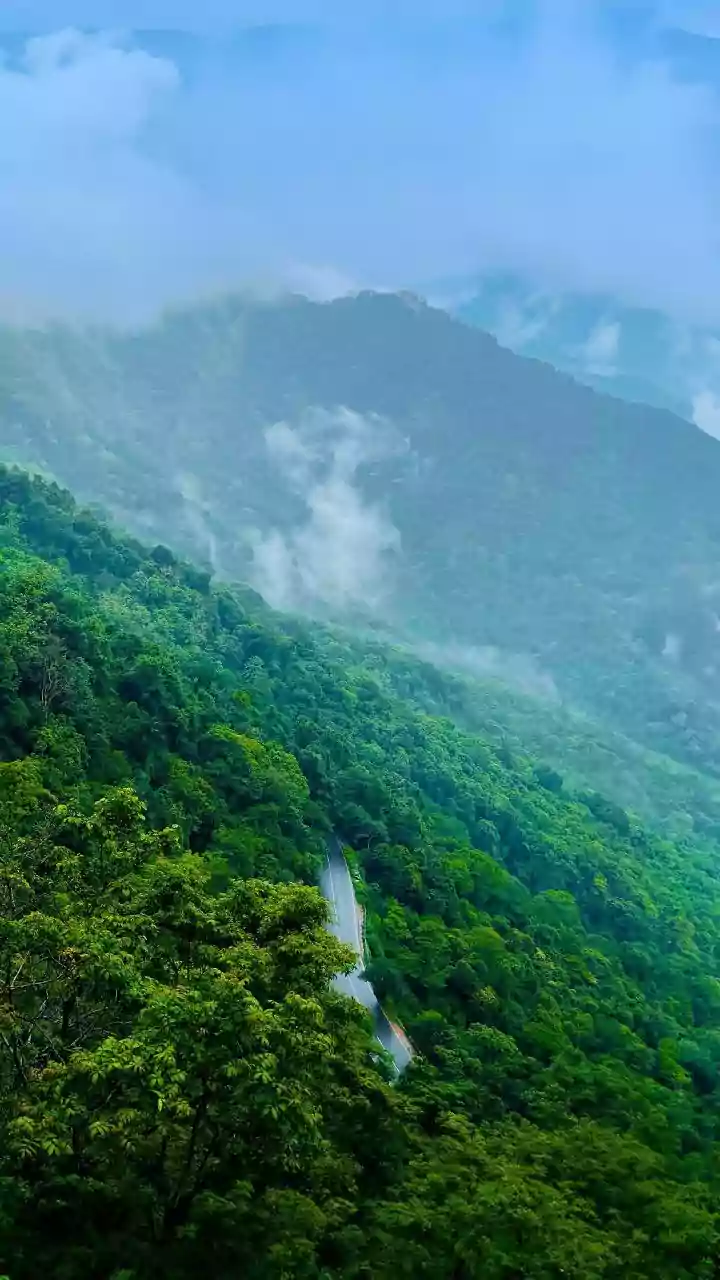
Head for the hills of Wayanad, Thekkady, or Munnar, and you'll find sprawling plantations growing pepper, cardamom, coffee, and tea. Dotted among them are incredible farm stays and plantation bungalows. These retreats offer an immersive escape into the aromatic world of spices. Instead of a generic hotel buffet, imagine feasting on meals where every flavour has a story. Days are spent on guided walks through the plantation, learning to identify different plants, understanding the farming process, and spotting diverse birdlife. The air is clean, the views are stunning, and the pace is dictated by nature. It's a perfect blend of relaxation, education, and reconnecting with where our food comes from.
The Forest-Adjacent Conservation Lodge
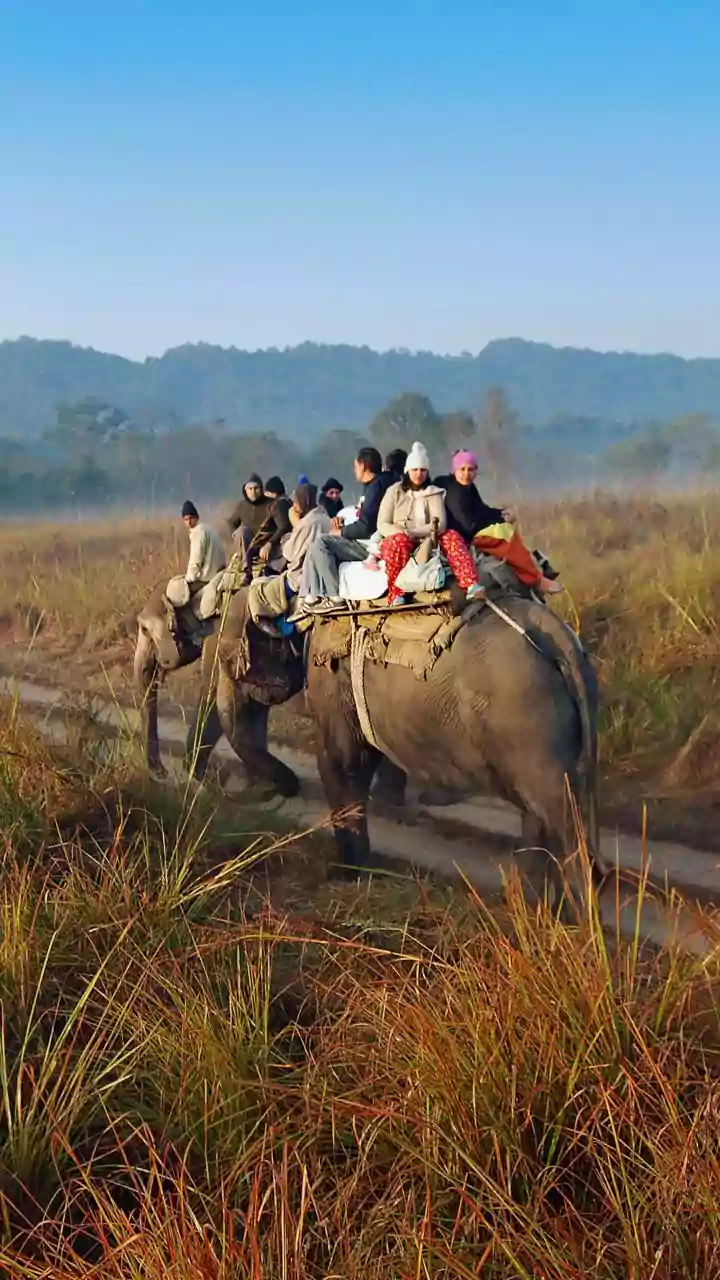
For wildlife enthusiasts, staying in a lodge on the fringe of a national park like Periyar or Parambikulam offers an experience far removed from the quick jeep safari. These eco-lodges are often run by naturalists or work closely with the Forest Department and local tribal communities. Their focus is on conservation and low-impact tourism. Activities are centred on appreciating the wilderness responsibly—think guided nature treks, bird-watching expeditions, and night walks to spot nocturnal creatures. The goal isn't just to 'see' a tiger or an elephant, but to understand the entire ecosystem, learning about the smaller flora and fauna that make the jungle a living, breathing entity.
How to Find Your Perfect Eco-Stay
Finding a genuine eco-stay requires a little more research than a simple hotel search. Start by looking for properties certified under Kerala’s award-winning ‘Responsible Tourism Mission’, which vets properties for their environmental and social practices. Travel blogs and specialised eco-tourism websites are also great resources. When reading reviews, look for keywords like 'sustainable', 'community', 'organic', 'homestay', and 'local food'. Be wary of 'greenwashing'—vague claims of being 'eco-friendly' without specific details. The best stays are often small and independently owned, so consider booking directly with them. A quick phone call can often give you a feel for their philosophy and commitment to responsible travel.