



From Meal to Media
The phenomenon of picture-perfect food is no accident. On visual-first social media platforms, a striking dish can travel the world in minutes. Restaurants now understand that every diner is a potential content creator, capable of sharing photos that can reach
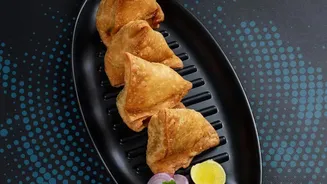
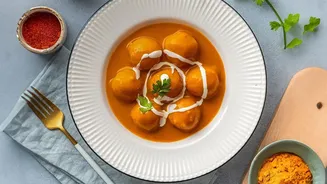
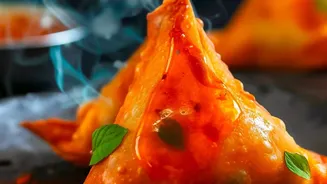
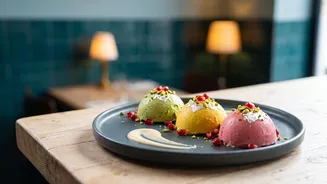
hundreds or even thousands of viewers. This has given rise to the 'Instagrammable' dish—a meal engineered not just for taste, but for visual spectacle. Think vibrant colour contrasts, unusual ingredients, and creative plating that transforms food from a simple meal into a shareable work of art. This focus on aesthetics is a direct response to a digital world where almost half of all diners report visiting a restaurant for the first time after seeing it on social media.
Marketing on a Plate
For restaurants, especially smaller establishments with limited advertising budgets, this trend is a game-changer. Every photo a customer posts and tags is a form of free, authentic marketing known as user-generated content (UGC). This modern-day word-of-mouth is highly effective because consumers tend to trust recommendations from peers more than traditional advertising. In fact, some studies show that user-generated content is nearly ten times more impactful than influencer marketing. Recognizing this, savvy operators are creating specific photo opportunities within their establishments, from unique dishes to signature neon signs, encouraging patrons to snap and share. By reposting customer photos, restaurants not only get a steady stream of free content but also build a loyal community by making their customers feel seen and appreciated.
The Chef as Food Stylist
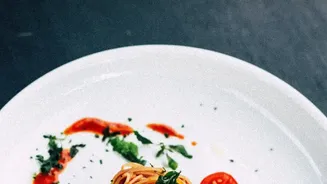
This shift has fundamentally changed the priorities in many kitchens. Chefs are now tasked with being part food stylist, using techniques once reserved for professional photography. This includes creating height and layers on the plate, playing with complementary and contrasting colours, and using precise artistic flourishes like sauce smears to guide the viewer's eye. Some even employ advanced methods like foams, gels, or narrative plating that tells a story. However, this emphasis on visuals is not without its challenges. There's a growing concern that in the race for the perfect picture, core elements like flavour, temperature, and practicality can sometimes take a backseat. Some diners and critics have started to push back against dishes that look incredible online but are underwhelming or difficult to eat in person.
The Psychology of the Snap
The desire to photograph our food is deeply rooted in modern psychology. For many, it's a way of documenting and sharing experiences, a form of self-presentation that communicates taste, lifestyle, and a sense of adventure. Posting a picture of an elegant dish can suggest sophistication, while a photo of a hearty, colourful meal might convey a fun-loving personality. Interestingly, some research suggests that the ritual of taking a photo can even influence our perception of the meal. The brief delay can heighten anticipation and make the food seem more appealing, essentially making it taste better. However, there is a social cost, as the focus on capturing the moment can sometimes detract from the communal experience of dining, leading to less communication with friends and family at the table.