







First, The Visa Puzzle
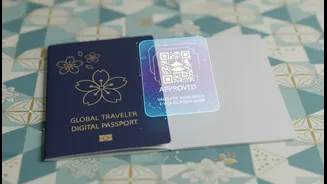
For Indian passport holders, a trip to Japan requires securing a visa beforehand, as there is no visa-on-arrival facility. The most common choice for tourists is the Temporary Visitor Visa, which allows for a stay of up to 90 days. The application process
is handled through VFS Global centres across India. You'll need a standard set of documents: a valid passport with at least six months of validity and two blank pages, a completed application form, recent passport-sized photographs, and a detailed day-by-day itinerary. Additionally, you must provide proof of confirmed return flight tickets and hotel bookings for your entire stay. To demonstrate you can fund your trip, you will need to submit bank statements for the last three to six months and recent Income Tax Return acknowledgements. As of April 2026, the visa fee for Indian nationals is a nominal INR 500 for both single and multiple-entry visas, making the process quite accessible.
The Great Flight Hunt
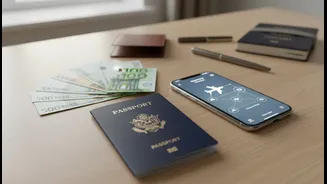
Your flight will likely be the biggest single expense of your trip, but smart strategies can lead to significant savings. Direct flights from major Indian hubs like Delhi and Mumbai to Tokyo are available on airlines like Japan Airlines, All Nippon Airways (ANA), and Air India. However, considering one-stop flights with carriers like Vietnam Airlines, Cathay Pacific, or VietJet Air can often result in much cheaper fares. Return tickets can fluctuate wildly, from as low as ₹30,000-₹40,000 if booked well in advance or during a sale, to over ₹80,000. To get the best price, plan to book at least a few months ahead, especially if you're travelling during peak seasons like the cherry blossom bloom in spring or the autumn foliage. Travelling during the quieter shoulder seasons, such as late spring or early autumn, can also yield better prices. Using flight comparison websites and setting up fare alerts are essential tools in this hunt.
Solving The 'Food Maths' Equation
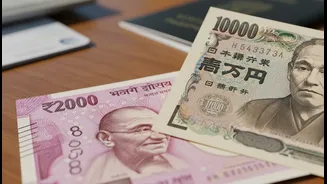
Japanese food is a highlight, and budgeting for it doesn't mean you have to miss out. A realistic daily food budget can range from around $25 to $55 (approx. ₹2,000-₹4,500). For a budget-conscious approach, Japan's convenience stores, or 'konbini' (like 7-Eleven and FamilyMart), are your best friend. They offer delicious and fresh onigiri (rice balls), sandwiches, and bento boxes for just a few hundred yen. Mid-range options include popular chain restaurants serving ramen, gyudon (beef bowls), and curry for under 1,500 yen per meal. Making lunch your main meal is another great strategy, as many restaurants offer 'teishoku' (set meals) at a lower price than their dinner menus. This allows you to save your budget for a few splurge-worthy experiences, like a quality sushi meal or a wagyu beef dinner, which can cost anywhere from 3,000 to 10,000 yen.
Beyond the Basics: Stays and Transport
Once you have your visa, flights, and food sorted, accommodation and local transport are the final pieces of the puzzle. Japan offers a wide range of stays, from budget-friendly hostels and capsule hotels to business hotels, which offer a great balance of comfort and cost. For a more traditional experience, a night in a ryokan (Japanese inn) is a must-do. When it comes to getting around, the Japan Rail (JR) Pass can be a cost-effective option if you plan on making multiple long-distance trips on the Shinkansen (bullet train), for example, between Tokyo, Kyoto, and Hiroshima. However, following a significant price increase, it's no longer an automatic choice for every tourist. If your travel is mainly within one city or region, buying individual tickets or using a prepaid IC card like Suica or Pasmo is often more economical. Always calculate the cost of your individual journeys before committing to a pass.