





The Long-Standing Mystery of Size
It’s a paradox that has puzzled veterinarians and dog lovers for decades. In the broader animal kingdom, larger species like whales and elephants typically outlive smaller ones like mice. Yet within the single species of Canis lupus familiaris, the opposite
is true. A tiny Chihuahua can live for 15 to 20 years, while a majestic Great Dane or Irish Wolfhound is considered elderly by age seven or eight. For years, theories have pointed to the strain of rapid growth, higher cancer rates, and increased workload on the heart and joints of bigger dogs. While these factors are significant, a recent study from the Dog Aging Project provides a deeper, more fundamental explanation written in their very DNA.
Unlocking the Secrets of 'Jumping Genes'
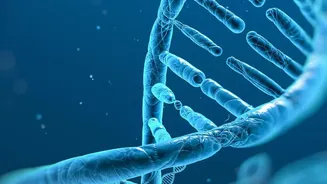
A new study published in the journal Science offers a compelling molecular reason for this lifespan gap. Researchers from Arizona State University analyzed the DNA of nearly 900 dogs from over 120 breeds. They focused on epigenetics—the chemical marks on DNA that control which genes are turned on or off. Specifically, they looked at a process called DNA methylation. The team discovered that the key lies with 'jumping genes', scientifically known as transposable elements. These are ancient stretches of DNA that can copy themselves and move around the genome. Cells normally keep them suppressed with methylation tags, like a chemical leash. As dogs age, they lose these tags, allowing the jumping genes to become active, potentially damaging DNA and leading to instability, inflammation, and cancer.
The Accelerated Aging of Big Dogs
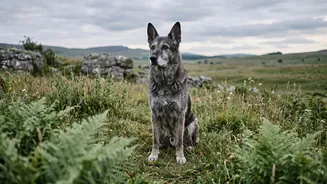
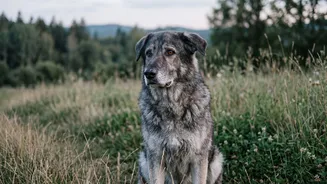
The study's most crucial finding is that this process happens much faster in large dogs. Researchers found that giant breeds lost about 35% more of these crucial methylation tags on a major family of jumping genes (called LINE-1) each year compared to small breeds. This suggests that the rapid growth that has been bred into large dogs comes at a cellular cost. The biological systems responsible for growth may trade off against the systems responsible for body maintenance and repair. This accelerated epigenetic aging provides a clear molecular signature for why bigger dogs not only have shorter lifespans but are also more susceptible to age-related diseases like cancer.
A Surprising Divide Between the Sexes
The research also uncovered that body size isn't the only factor. The study revealed that male dogs tend to show faster epigenetic aging than female dogs, even when neutered at a young age. This aligns with observations in some studies that female dogs often live slightly longer than males. Interestingly, the molecular patterns of aging differed between the sexes. While accelerated aging in large dogs was strongly linked to the loss of control over jumping genes, the sex-related differences were concentrated on the X chromosome. This suggests that size and sex influence aging through partially distinct biological pathways, an unexpected finding that opens new avenues for research.
What This Means for Our Canine Companions
While this research doesn't offer an immediate cure for aging, it provides powerful insights. Understanding the specific molecular pathways that cause large dogs to age faster could eventually lead to targeted interventions. The study developed an 'epigenetic clock' that could predict a dog's biological age and mortality risk more accurately than their chronological age. For dog owners, particularly those with large breeds, this reinforces the importance of proactive veterinary care. Regular check-ups, a healthy diet, and weight management can help mitigate some of the stresses on their bodies. As scientists learn more about these 'jumping genes', they may one day develop therapies that help slow down these damaging processes, giving us more healthy years with our beloved pets.