






More Than a Movie: It's a Social Event
For Gen Z and young millennials in India, a trip to the cinema is rarely just about the film itself. It is a planned social ritual—a reason to gather with friends, step out of the house, and participate in a collective experience. This generation, often
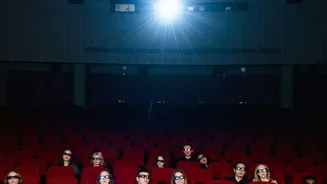
described as digitally native, is increasingly seeking out in-person social activities, partly as a reaction to 'digital fatigue'. The cinema offers a unique blend of entertainment and socialising. The pre-film chatter, the shared gasps and laughter in a packed hall, and the post-film analysis over a meal are all integral parts of the event. It’s an outing, not just a viewing session, providing a structured social activity that streaming at home cannot replicate. Industry executives note that for younger audiences, cinemas are cherished social spaces for creating shared memories with friends.
The Fear of Missing Out on a Cultural Moment
In the hyper-connected world of social media, major film releases have transformed into massive cultural events. From trailer drops to first-day-first-show trends, being part of the conversation is crucial. Young audiences, who are major drivers of opening day box office numbers, are motivated by a powerful fear of missing out (FOMO). Waiting for a blockbuster to arrive on an OTT platform means missing weeks of memes, discussions, and online buzz. Watching a highly anticipated film in its opening weekend allows them to be part of a nationwide cultural moment, to share their hot takes online, and to understand the latest pop culture references. This communal excitement and the desire to participate in real-time trends make the theatrical release a compelling, time-sensitive event.
The Unmatched Spectacle of the Big Screen
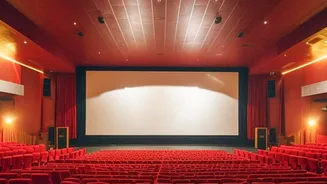
While streaming services offer convenience, they cannot compete with the sheer scale and technical immersion of a modern multiplex. For the genres that dominate the box office—action spectacles, superhero sagas, and grand historical dramas—the format is a crucial part of the appeal. The booming sound design, the crystal-clear visuals on a giant screen, and the immersive environment of a dark theatre are elements that filmmakers design their movies for. This is especially true for pan-Indian blockbusters and major Hollywood releases, which are crafted as larger-than-life experiences. For many young viewers, paying for a ticket is an investment in a premium, high-impact sensory experience that a laptop or television screen simply cannot deliver. The consensus is clear: for action and spectacle, the theatre remains the preferred venue.
A Generation Driving the Box Office
Far from abandoning cinemas, young people are actively powering their revival. According to an Ormax Media report from 2026, consumers under the age of 30 account for 57% of Hindi box office collections and a staggering 70% of first-day revenues. This demographic has become the most critical audience segment for the film industry. Their choices are influencing not just marketing strategies but also the kinds of films being made. Recognizing this, multiplex chains are expanding into smaller towns and focusing on premium experiences that appeal to this generation. The data confirms that Gen Z is not just a passive audience; they are the backbone of the theatrical business, rewarding films that deliver scale, relevance, and a sense of occasion.