





The arrival of winter brings perfect weather for a run, but in many Indian cities, it also brings a thick layer of smog. Navigating your fitness routine doesn't have to be a choice between staying active and breathing clean air. Here’s how.
What is AQI and Why It Matters in Winter
The Air Quality
Index, or AQI, is a simple tool that translates complex pollution data into a single number and colour-coded scale, making it easy to understand air quality. Launched in India in 2014, the national AQI considers eight key pollutants, including PM2.5 and PM10—tiny particles from dust and combustion that are major concerns during winter. During winter, a phenomenon called temperature inversion traps these pollutants close to the ground, especially in the early mornings, creating dense smog that can be particularly harmful. When you exercise, your breathing rate increases, and you inhale more air—and more pollutants—deeper into your lungs. This is why checking the AQI before heading out is not just a precaution; it's a necessity for safe winter fitness.
How to Check Real-Time AQI
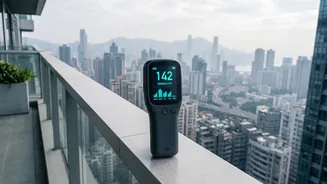
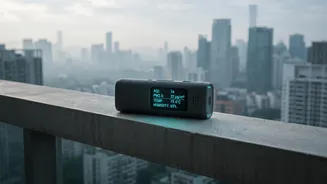
Accessing live air quality data has never been easier. Many smartphone weather apps now include local AQI information. For more detailed data, the Central Pollution Control Board's (CPCB) official 'SAMEER' app provides readings from monitoring stations across the country. Google Maps has also integrated a real-time AQI layer, which updates hourly and allows you to see pollution levels in your specific area. Other popular third-party apps like AirVisual and local tools like AQI Now offer hyperlocal data, which can be more accurate than a city-wide average, as pollution can vary significantly even a few kilometres apart. Make it a habit to check the AQI about 30 minutes before your planned workout to get the most current reading.
Decoding the Numbers: A Workout Guide
Understanding what the AQI numbers mean is key to adjusting your activity. Here’s a simple breakdown based on India’s official categories:
0-50 (Good): Green. Air quality is excellent. Enjoy all outdoor activities without restriction.
51-100 (Satisfactory): Light Green. Generally safe for most people. Sensitive individuals might experience minor breathing discomfort.
101-150 (Moderate): Yellow. People with lung or heart conditions, older adults, and children should consider reducing prolonged or intense exertion. Maybe opt for a brisk walk instead of a hard run.
151-200 (Unhealthy): Orange. It's time for everyone to cut back. Shorten your workout, reduce intensity, and avoid exercising near high-traffic areas. Many experts advise moving strenuous workouts indoors at this stage.
201-300 (Poor): Red. Outdoor exercise is not recommended for prolonged periods. Stick to short, easy walks if you must be outside, but moving your workout indoors is the safest bet.
301+ (Very Poor to Severe): Dark Red/Maroon. Avoid all outdoor exertion. The health risks from exposure, especially during exercise, are significant and can cause respiratory illness even in healthy individuals.
Smart Adjustments for Hazy Days
On days with elevated AQI, a few smart changes can significantly reduce your pollution exposure. The worst time for outdoor exercise during winter is often the early morning (around 5 a.m. to 9 a.m.) when the air is cold and stagnant, trapping smog. The 'golden window' is typically in the afternoon, between 10 a.m. and 3 p.m., when the sun has warmed the atmosphere, allowing pollutants to disperse. Whenever possible, choose routes away from heavy traffic—even a few hundred metres can make a difference. If you decide to go out in 'Moderate' or 'Unhealthy' air, consider wearing a well-fitted N95 mask, though be aware it can make breathing more difficult, so it's best suited for low-intensity activities like walking.
Embrace Effective Indoor Alternatives
When the AQI is stubbornly high, the best adjustment is to take your workout inside. This doesn't mean you have to skip it. An indoor routine can be just as effective. Bodyweight circuits are an excellent option, requiring no equipment—think squats, pushups, lunges, and planks. High Intensity Interval Training (HIIT) can provide a powerful cardio workout in just 20–30 minutes with exercises like burpees and high knees. Yoga is another fantastic choice that improves strength, flexibility, and can even help with breathing techniques. Other simple but effective indoor options include dancing, jumping rope, or even just climbing the stairs in your building. If you have access to a gym, the treadmill or stationary bike are great fallbacks.