





Start with a Thorough Inspection
Before the first rains, grab a sturdy ladder and take a good look at your roof and terrace. You don’t need to be an expert to spot obvious trouble. On flat concrete roofs, common in many Indian homes, look for visible cracks, however fine they may seem.
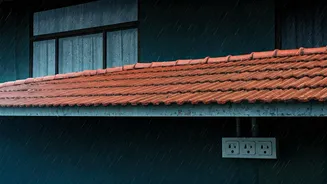
Check for areas where water might pool (a condition known as 'ponding'). Pay close attention to the joints where the roof meets the parapet walls, as these are common weak points. For sloped roofs, look for any cracked, slipped, or missing tiles. Even a single damaged tile can let a surprising amount of water in. Also, inspect the flashing—the metal strips around chimneys, vents, and joints. If it’s rusted, bent, or pulling away from the roof, it’s a red flag. Take pictures of any problem areas on your phone so you can track them or show them to a professional.
Look for Warning Signs Indoors
The most obvious sign of a leak is a dark stain on your ceiling or walls. These stains, often brownish or yellow, are a clear indicator that water is seeping in from above. Don't ignore them, even if they seem dry. They can reappear with a vengeance during the first heavy shower. Another tell-tale sign is peeling or bubbling paint, especially on the top floor ceilings or near the corners of a room. This happens when moisture gets trapped behind the paint layer. In humid conditions, this dampness can also lead to the growth of mould or mildew, which appears as black or green patches and can pose health risks. A musty smell in a room that you can’t quite place is also a common symptom of hidden moisture from a slow, persistent leak. Running your hand over the wall can help you detect damp spots that aren’t yet visible.
Clear All Drains and Gutters
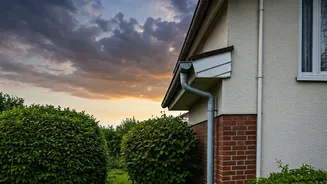
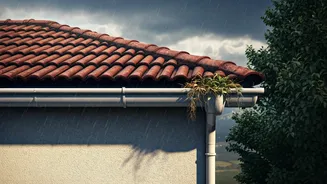
This is one of the easiest and most important pre-monsoon tasks. Over the dry season, your terrace drains, pipes, and gutters can get clogged with leaves, dust, plastic bags, and other debris. When the rain comes, this blockage prevents water from draining away efficiently. The water then pools on your roof, building pressure and finding its way into any tiny crack or weak spot it can. A flooded terrace is one of the leading causes of severe leakage in Indian apartment buildings and houses. Take an hour to thoroughly clean all outlets. Use a stiff brush to clear away debris and flush the drains with a bucket of water to ensure they are flowing freely. This simple act of maintenance costs nothing but can prevent thousands of rupees in water damage.
Tackle Minor DIY Repairs
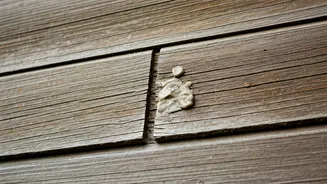
For very small issues, a quick DIY fix can hold up for the season. If you find fine, hairline cracks on your concrete terrace, you can use an acrylic crack-fill putty, which is readily available at most hardware stores. Clean the area of dust, apply the putty as directed, and let it cure. For very small gaps around pipes or window sills, a waterproof silicone sealant can be effective. If you’re feeling more ambitious, you can apply a layer of a DIY elastomeric waterproof coating over a small, vulnerable area. These coatings are like a thick paint that forms a rubbery, flexible membrane. However, remember that these are temporary solutions for minor problems. Applying them incorrectly or on a larger, more serious crack won't solve the underlying issue.
Know When to Call a Professional
DIY is great, but it’s crucial to know your limits. If you see large, deep cracks (wider than a few millimetres), significant damage to the structure, or extensive dampness across a large part of your ceiling, it's time to call in a professional waterproofing expert. They have the tools and expertise to diagnose the root cause of the leak, which might not be immediately obvious. Professionals can perform more durable repairs, such as applying multi-layer waterproofing membranes, pressure grouting to fill deep cracks, or properly repairing damaged tiles and flashing. While it involves a cost, getting a professional assessment and repair is an investment. A poorly fixed leak will only worsen over time, leading to much more expensive structural damage, ruined interiors, and endless stress during the rainy season. Getting it done right once gives you peace of mind for years to come.