








The Instagram-Worthy Health Halo
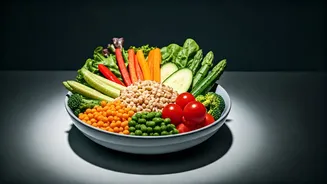
It’s a modern picture of wellness: a perfectly arranged bowl, brimming with roasted sweet potatoes, glistening quinoa, dark leafy greens, and perhaps a swirl of hummus. This trend towards plant-forward, visually appealing meals is a positive step for many,
encouraging a higher intake of fibre and phytonutrients. They feel clean, light, and deeply nourishing. And while they deliver on many health promises, their perfectly curated appearance can create a 'health halo,' making us assume they are nutritionally complete in every way. The reality is that even the most thoughtfully constructed, all-plant bowl has a significant blind spot.
The Missing Piece: What Is Vitamin B12?
Vitamin B12, also known as cobalamin, is a crucial nutrient your body cannot produce on its own. It's essential for the healthy functioning of your nervous system, the formation of DNA, and the production of red blood cells. A lack of B12 can lead to a type of anaemia that makes you feel tired and weak. Over time, a serious deficiency can cause more severe and even irreversible neurological problems, including numbness or tingling in the hands and feet, difficulty with balance, and memory issues. Because the body can store B12 for several years, a deficiency can creep up slowly and go unnoticed until symptoms become more pronounced.
Why Plants Don't Make B12
The core of the issue is simple: Vitamin B12 is not made by plants or animals. It is produced by microorganisms like bacteria and archaea. Animals get B12 by eating foods contaminated with these microbes or from the B12-producing bacteria in their own digestive systems. This B12 then gets stored in their tissues, particularly the liver and muscle. Consequently, the only reliable, naturally occurring sources of Vitamin B12 are animal products like meat, fish, eggs, and dairy. Plant foods, no matter how fresh or organic, do not naturally contain B12 unless they have been contaminated or are specifically fortified. Some claims about B12 in fermented foods or certain seaweeds like spirulina are often misleading, as they may contain B12 analogues that are not usable by the human body and can even interfere with the absorption of true B12.
Lacto-Vegetarians: A Partial Solution
If you are a lacto-ovo vegetarian, you do have options. Dairy products like milk, yogurt, and cheese are excellent sources of B12. For instance, one cup of milk can provide nearly half of your recommended daily intake. Eggs also contain a good amount of the nutrient. By including a few servings of dairy and/or eggs in your daily diet, you can often meet your B12 needs. However, for those who consume limited dairy or follow a strictly vegan diet, these beautiful bowls remain deficient without a conscious effort to add B12 from other sources.
Bridging the Gap: Fortification and 'Nooch'
For vegans and many vegetarians, the answer lies in fortified foods and supplements. Fortification is the process of adding nutrients to foods that don't naturally contain them. Many products available in India, such as plant-based milks (soy, almond, oat), breakfast cereals, and some tofu brands, are now fortified with B12. It's crucial to read labels, as not all brands are fortified. Another powerful tool is nutritional yeast, often nicknamed 'nooch'. These yellow flakes have a cheesy, nutty flavour and, when fortified, can be a B12 powerhouse; just a tablespoon or two can cover your daily needs. Sprinkling it over your bowls, salads, or curries is an easy way to ensure you're covered.
When to Consider a Supplement
For many, the most reliable and straightforward way to prevent a B12 deficiency on a plant-based diet is through supplementation. This removes any guesswork and ensures a consistent, adequate intake. Supplements are available in various forms, including tablets, capsules, and sublingual (under-the-tongue) liquids. The required dosage can vary, so it is always best to discuss your dietary habits with a doctor or a registered dietitian who can assess your needs and recommend the right course of action. Regular blood tests can also help monitor your B12 levels, especially if you have been on a plant-based diet for a long time.