
NISAR: The Indo-US Eye in the Sky
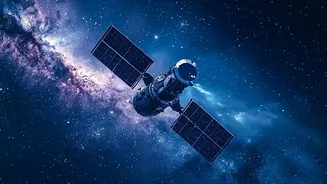
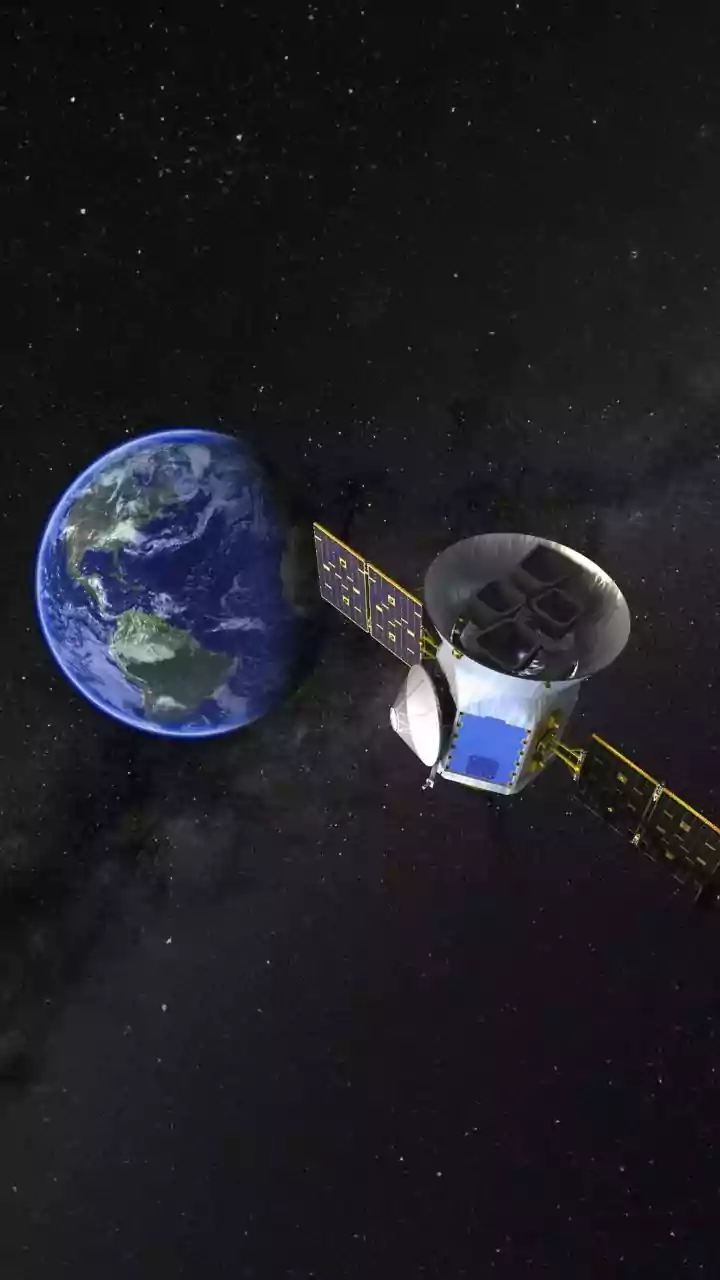
The most significant collaboration between the two space giants is the NASA-ISRO Synthetic Aperture Radar (NISAR) mission. This is not just a NASA mission; it's a true partnership. Launched in 2025, this sophisticated Earth-observing satellite is equipped
with two different radar systems, one built by NASA (L-band) and one by ISRO (S-band). This dual-frequency capability allows it to observe and measure changes in Earth's land and ice surfaces with unprecedented accuracy. By mid-2026, both ISRO and NASA have begun releasing calibrated data to the public. For India, NISAR is a game-changer. It provides an incredibly detailed, all-weather view of the subcontinent every 12 days. This data is crucial for managing natural resources, monitoring agricultural health, and tracking the effects of climate change, such as glacier melt in the Himalayas and changes in coastal areas. It will also be invaluable for disaster management, helping to monitor earthquakes, landslides, and volcanic activity. As of July 2026, ISRO is already making S-band data available through its Bhoonidhi portal, empowering Indian scientists and policymakers with vital environmental intelligence.
Artemis Program: India's Ticket to the Moon Base
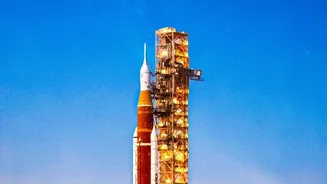
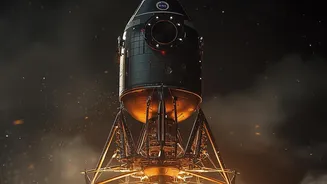
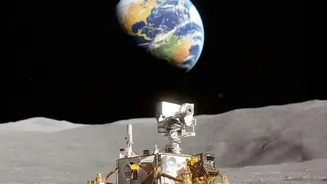
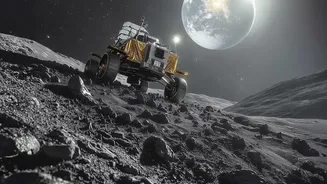
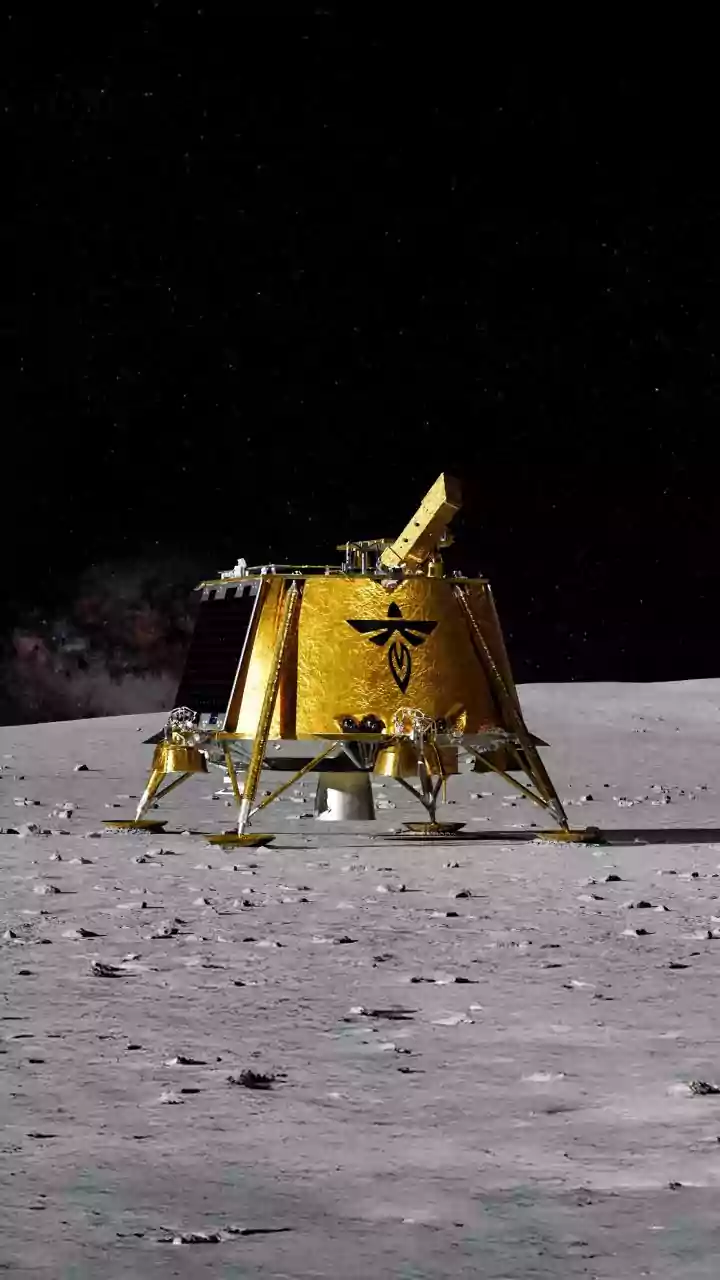
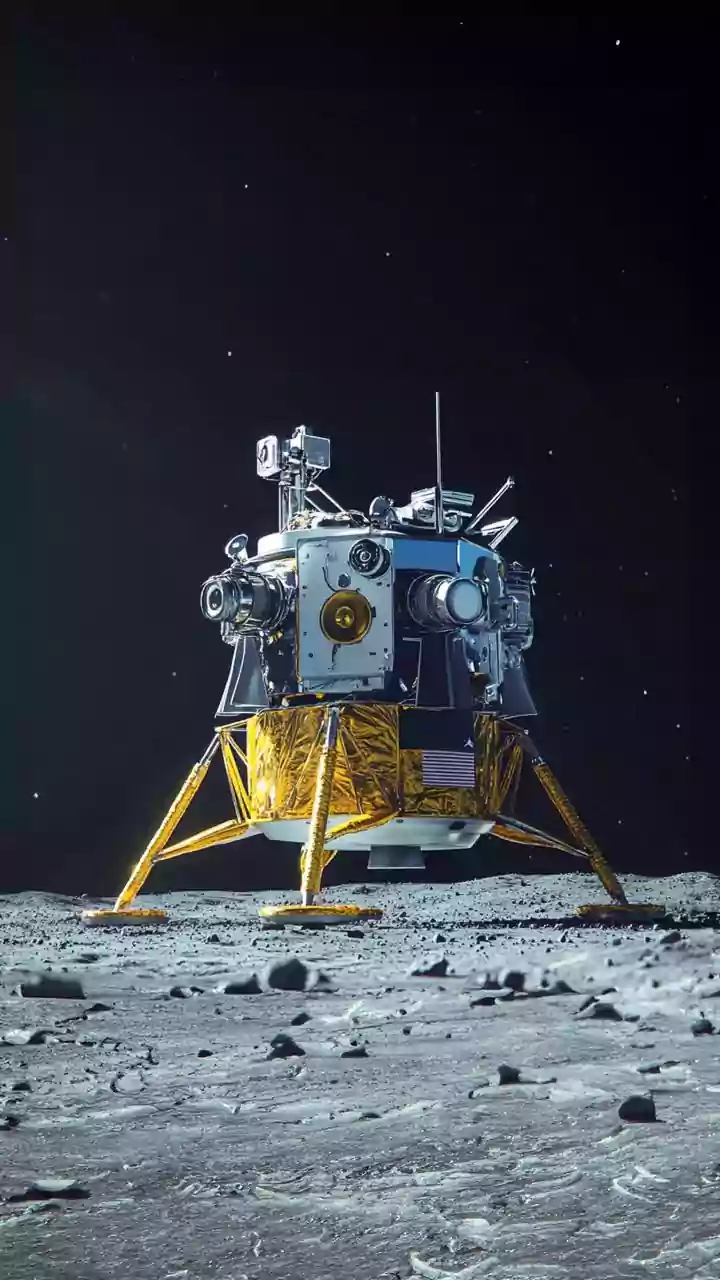
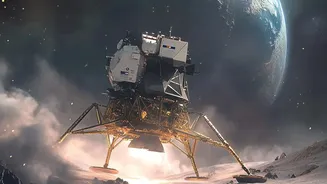
NASA's Artemis program aims to do more than just revisit the Moon; it plans to establish a sustainable human presence there. This ambition is built on international cooperation through the Artemis Accords, which India signed, signaling a strategic shift toward collaborative space exploration. The success of missions like Artemis II, the first crewed lunar flight in over 50 years, provides a proven model for human spaceflight that directly benefits India's own Gaganyaan program. In August 2026, this partnership deepened significantly when NASA formally invited ISRO to help build its planned Moon base. The invitation is a recognition of India's prowess, demonstrated by the cost-effective success of Chandrayaan-3 and the Mars Orbiter Mission. For India, participating in the lunar outpost offers access to advanced technologies, experience in long-duration missions, and a seat at the table in shaping humanity's future in deep space. It could also create major opportunities for India's burgeoning private space industry.
Mars Sample Return: The Next Great Martian Leap
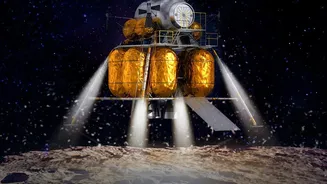
Bringing a piece of Mars back to Earth is one of the most ambitious projects in space exploration history. NASA's Mars Sample Return mission, a joint effort with the European Space Agency (ESA), aims to do just that. The Perseverance rover has already collected dozens of scientifically valuable rock and soil samples on the Red Planet, waiting for a ride home. While the mission has faced budget and timeline reviews, NASA remains committed to a launch that could see samples returned in the 2030s. For India, this mission is highly relevant. Following the historic success of its own Mangalyaan, ISRO is a proven power in Mars exploration. The scientific discoveries from Martian samples—about the planet's past climate, geology, and potential for ancient life—will be shared globally and will inform the next generation of Mars missions, including any future Indian endeavors. Understanding Mars is a global effort, and the data from these returned samples will be a treasure trove for scientists worldwide.
Europa Clipper: The Search for Alien Oceans
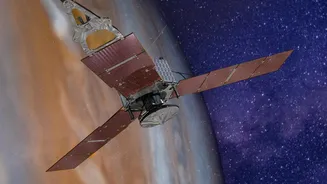
Launched in October 2024, NASA's Europa Clipper spacecraft is on a long journey to Jupiter's icy moon, Europa. In December 2026, it is scheduled to perform a crucial Earth flyby for a gravity assist that will slingshot it toward the outer solar system. Its destination is one of the most compelling targets in the search for life beyond Earth. Scientists believe Europa hides a vast liquid water ocean beneath its frozen crust, and Clipper's goal is to find out if that ocean has the conditions suitable for life. The spacecraft will arrive at Jupiter in 2030 and perform dozens of close flybys of Europa, using its powerful instruments to study the moon's ice shell, surface geology, and the composition of any material erupting into space. While there is no direct Indian involvement, the mission speaks to a universal human quest that inspires space programs globally. The search for life is a fundamental driver of exploration, and Europa Clipper's findings will undoubtedly influence how and where agencies like ISRO look for life in our solar system and beyond.