





The Age-Old Problem at the Coach Entrance
For decades, passengers in AC 3-tier coaches have faced a common problem: constant disturbance. Those assigned berths near the main coach doors often endure a sleepless night due to the perpetual movement of people, the clatter of doors, and light filtering
in from the vestibule. This high-traffic area, which also provides access to the toilets, sees a steady flow of passengers and vendors throughout the night, making it the least desirable spot in the coach. The issue has been a long-standing complaint on even premium trains like the Rajdhani Express, where the proximity of the berths to the entrance compromises rest and comfort.
A Simple, But Smart, Redesign
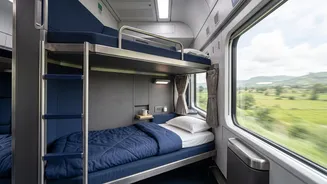
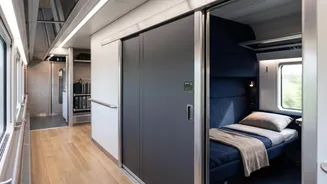
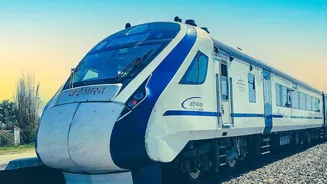
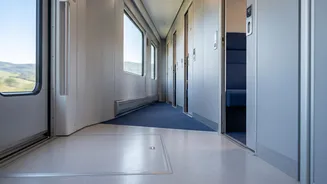
The upcoming Vande Bharat sleeper trains introduce a thoughtful design tweak to tackle this very issue. Instead of placing the berths immediately adjacent to the main door, the new layout incorporates a significant gap. A passage area now separates the automatic sliding entry door from the first set of berths. This creates a buffer zone, effectively shielding sleeping passengers from the noise and activity at the entrance. Recent videos showcasing the prototype highlight this specific change, demonstrating how the sleeping area is now more secluded from the main thoroughfare of the coach.
How the New Layout Enhances Comfort
The primary benefit of this new arrangement is the reduction of direct disturbances. Passengers will no longer be awakened by the frequent opening and closing of doors or by people gathering near the entrance. The sliding mechanism of the door itself is also intended to be quieter than conventional doors. This separation ensures that light from the vestibule doesn't directly spill into the sleeping bay, allowing for a darker and more restful environment. The design essentially creates a small lobby at the entrance, containing the foot traffic and noise before it can impact the main passenger area. The positive social media reaction to this feature suggests it's a welcome improvement for frequent travelers.
More Than Just a Quieter Berth
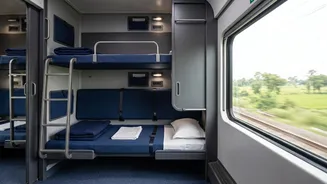
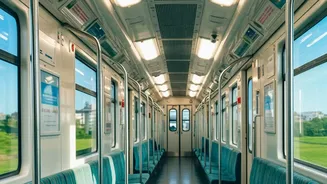
This passengercentric approach extends throughout the Vande Bharat sleeper. The trains are engineered for a smoother ride with improved suspension and better couplers to minimize jerks and vibrations. The coaches are also better soundproofed to create a quieter interior. Inside, passengers will find ergonomically designed, wider berths, individual reading lights, and USB charging points. The trains also feature modern biovacuum toilets with touchfree fittings, sensorbased lighting, and a public information system to elevate the overall travel experience beyond what's currently available.
The Future of Overnight Journeys
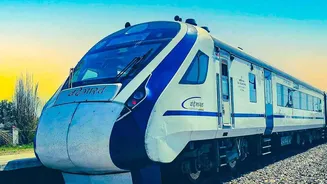
The Vande Bharat sleeper, a selfpropelled trainset manufactured by firms like BEML, represents a significant leap in Indian Railways' effort to modernize longdistance travel. With an operational speed of up to 160 km/h, these trains are set to compete with air travel by offering a comfortable, fast, and convenient overnight option. The first services began in early 2026, and the fleet is expected to expand across major routes. While some design refinements on prototypes were flagged to ensure safety and quality, the focus on solving practical passenger issues—like the noisy berth near the door—signals a new era of userfocused design in Indian rail travel.