







Spain's sun-drenched beaches and historic monuments are more popular than ever, but this success has a downside. Many beloved sites are now under scrutiny due to overcrowding, leading to new rules and local frustration. Here’s your guide to it all.
Barcelona: Gaudí's Wonders Under Pressure
Barcelona
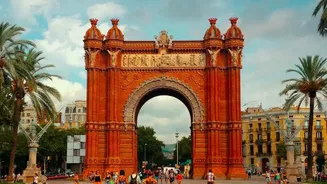
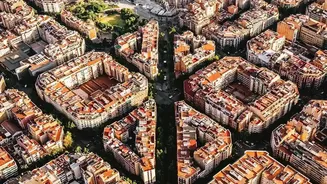
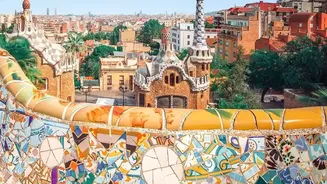
is at the epicentre of Spain's overtourism debate. Iconic sites like the Sagrada Família and Park Güell are magnets for millions, causing immense strain on city infrastructure and resident patience. In response, officials are pushing back with measures like increased tourist taxes and limiting visitor growth, with a clear message: the city has reached its capacity. For travellers, this means planning is non-negotiable. Tickets for the Sagrada Família, for instance, sell out weeks in advance. To have a more serene experience, book the first time slot of the day, which since February 2026 is a designated 'Quiet Hour' for prayer and contemplation with fewer groups allowed. For Park Güell, timed-entry tickets are essential to even get into the monumental zone. Exploring beyond the Gothic Quarter can also provide relief, offering a more authentic glimpse of Catalan life without the queues.
Granada: The Alhambra's Delicate Balance
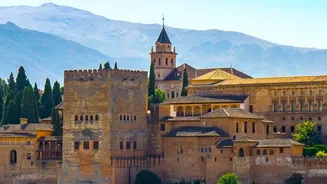
The Alhambra Palace in Granada is a masterpiece of Islamic architecture, but its fragility requires strict controls. The site manages crowds with a tightly controlled ticketing system that only allows 300 people into the main Nasrid Palaces every half hour. Missing your designated time slot means you forfeit entry to this core section. Beyond capacity limits, there are rules to protect the monument: large bags must be left in lockers, flash photography is forbidden, and you can't bring in food. These measures are in place to preserve the delicate plasterwork and intricate details that make the palace so special. The key for visitors is to book tickets months ahead, especially for peak season, and to arrive at the Nasrid Palaces entrance well before the time printed on your ticket.
Seville: A 'Circus' in the Historic Centre
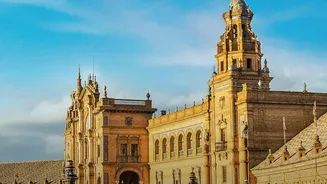
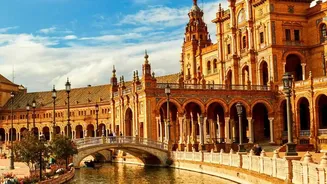
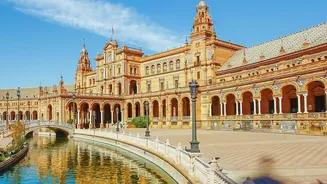
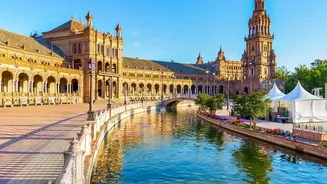
Tour guides in Seville have described the city's historic centre as a 'circus' and a 'jungle where everyone does what they want', warning that the Andalusian capital is at risk of 'dying from success'. Overcrowding is particularly intense around the Cathedral and the Royal Alcázar. In response to resident complaints about noise and congestion, the city has floated plans to charge a fee for tourists to enter the famous Plaza de España, which is currently a public park. Authorities have also tried to limit tour group sizes, but enforcement remains a challenge. For a better experience, visit during the quieter months of October, November, January, or February. If you must travel during the crowded spring season, aim for midweek visits, book priority-access tickets for the Alcázar and Cathedral, and explore charming neighbourhoods like Triana and Macarena to escape the biggest crowds.
The Islands: Protests in Paradise
The Balearic and Canary Islands are on the front lines of anti-tourism sentiment. In places like Mallorca and Ibiza, massive protests have become common, with locals demanding action against soaring housing costs and overloaded public services driven by mass tourism. Demonstrators argue that the tourism model is unsustainable, making life unaffordable for residents. In the Canary Islands, similar concerns about environmental strain and housing have put the region on lists of places to reconsider visiting. While authorities have started to introduce some restrictions, such as capping hotel capacity in Mallorca, the tensions highlight a growing divide. For tourists, this doesn't mean avoiding the islands entirely, but it does mean travelling with greater awareness, supporting local businesses over large chains, and considering visits during the shoulder seasons to reduce the strain of peak-season crowds.