






The Great Indian Heat Escape
Summer in India has always been intense, but recent years have seen a dramatic shift from seasonal heat to prolonged, punishing heatwaves. With temperatures soaring into the mid-40s Celsius across the country, the annual summer holiday is transforming
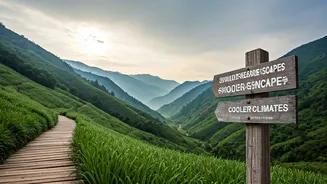
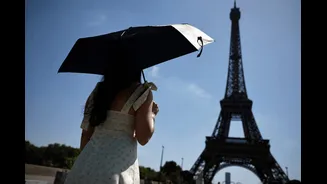
from a leisurely choice into a strategic escape. This behavioural shift, termed a ‘coolcation’, is a direct response to the oppressive heat that makes daily life and tourism in traditional hotspots unbearable. Reports show that as heat intensifies in plains and cities, tourist numbers in those areas dip significantly, pushing a wave of travellers towards any place that promises a reprieve. The phenomenon is so pronounced that what was once a simple preference for mountains over beaches has now become a mass movement, redrawing India's travel map in real-time.
From Shimla to Switzerland
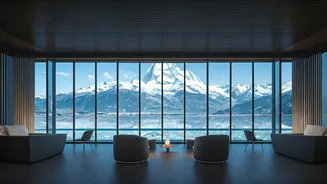
While traditional hill stations like Manali and Shimla remain popular, they are increasingly crowded, pushing discerning travellers to look further afield. This has led to a surge in two distinct trends: the exploration of lesser-known domestic regions and a significant jump in international travel to cooler climates. Domestically, destinations in Northeast India like Dibrugarh and Imphal, and high-altitude regions like Ladakh, are gaining traction. Internationally, Europe is the dream destination. Countries like Switzerland, France, and Italy are perennial favourites, but the new kids on the block are nations in Scandinavia, Central Asia, and the Balkans. Places like Norway, Sweden, Georgia, and Albania are becoming popular for offering a European feel without the crowds or, in some cases, the stringent visa requirements.
The Economics of the ‘Cool-Cation’
This exodus to cooler climes is fuelled by more than just rising temperatures; it's also a story of rising affluence. A growing segment of the Indian population now has the disposable income to prioritise experience and comfort over budget. Travel industry data reveals a significant spike in bookings for premium and luxury accommodations, with five-star hotel bookings seeing remarkable year-on-year growth. This indicates a willingness to spend more for higher-quality, curated trips. While these cooler holidays, especially international ones, are pricier, travellers are demonstrating that they are willing to pay a premium for comfort and escape. This financial capacity, combined with easier visa norms in many countries, has made international 'coolcations' an accessible aspiration for many.
A Flex for the Social Media Age
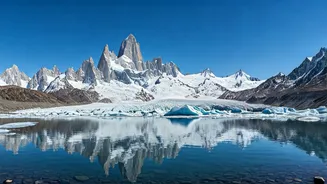
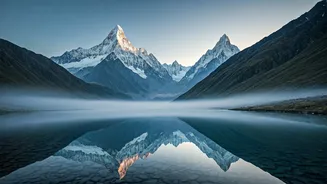
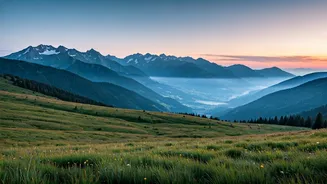
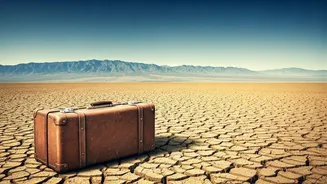
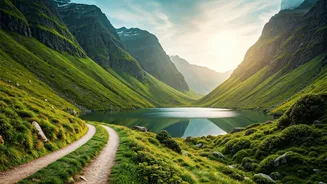
In an era dominated by social media, a holiday is often judged by its photogenic qualities. The 'flex' aspect of a cooler holiday is undeniable. An Instagram feed filled with the snowy peaks of the Alps, the charming streets of a European old town, or the serene, cloud-covered mountains of Vietnam makes a powerful statement. It signals not just the ability to escape the Indian summer but also a certain worldliness and taste. This social currency is a significant, if unspoken, driver of the trend. Travel is increasingly becoming experience-led, and the experience of a pleasant, cool climate when everyone back home is battling the heat is a desirable narrative to share. The visual contrast between a cool, green landscape and a parched, sun-beaten city is a compelling form of social capital.
How the Travel Industry is Responding
The travel industry has been quick to adapt to and capitalise on this trend. Airlines and travel companies are actively marketing 'coolcation' packages and opening new routes to cater to the demand. There's a notable increase in interest for destinations offering visa-free or visa-on-arrival facilities, and tour operators are curating itineraries that focus on these hassle-free, cooler getaways. Even neighbouring countries like Nepal have seen a surge in Indian tourists explicitly looking to escape the heat, a goal that years of marketing campaigns couldn't achieve but that climate change has delivered. This shift is forcing a re-evaluation of seasonality in the travel business, with a clear move towards destinations that offer respite from extreme weather.