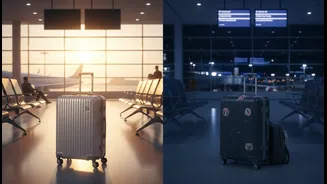









Reframe Your Flight as Prep Time
Too often, we view a long-haul flight as something to be endured—a necessary evil before the real event begins. But for anyone who needs to be sharp upon landing, this mindset is a missed opportunity. Instead of passively waiting for arrival, reframe
those hours in the air as your dedicated preparation zone. This isn't just about avoiding boredom; it’s a strategic period for physical rest and mental readiness. By treating the journey as part of the assignment, you can actively take steps to ensure you land not just on time, but in peak condition, ready to engage and perform.
The Pre-Flight Hydration and Nutrition Plan
Your strategy for a refreshed arrival begins before you even board the plane. The dry, recycled air in an airplane cabin is notoriously dehydrating, which can lead to headaches, fatigue, and worsened jet lag. Start hydrating aggressively in the 24 hours leading up to your flight. Bring an empty reusable water bottle through security and fill it up at the gate. During the flight, aim to drink water consistently. It’s equally important to be mindful of what you’re not consuming. Both alcohol and caffeine are diuretics that accelerate dehydration and disrupt sleep patterns, making them poor choices for in-flight rest. Instead of heavy, greasy airport food, opt for lighter meals and pack healthy snacks like nuts, fruit, or protein bars to maintain steady energy levels without the sluggishness.
Mastering the Art of In-Flight Sleep
Sleeping on a plane can feel like a lottery, but you can significantly improve your odds with the right tools and timing. To create a sleep-conducive bubble, invest in a quality set of noise-canceling headphones, a comfortable neck pillow, and a blackout eye mask. These essentials signal to your brain and body that it's time to shut down, even in a noisy, bright cabin. More importantly, be strategic about when you sleep. As soon as you board, set your watch and phone to your destination's time zone. If you're landing in the morning, try to get several hours of sleep during the latter half of the flight. If you're arriving at night, it might be better to stay awake so you're ready for a full night's sleep on the ground. This helps reset your body's internal clock, or circadian rhythm, more quickly.
Active Rest: What to Do When You Can't Sleep
Even with the best preparation, uninterrupted sleep isn't always possible. The key is to engage in 'active rest' rather than frustrated tossing and turning. If sleep eludes you, focus on low-stimulation activities that still allow your body and mind to recharge. Practice mindful breathing exercises or listen to a calming meditation app to lower stress. Even just closing your eyes and resting can be restorative. It's also crucial to move your body. Sitting for hours can lead to stiffness and poor circulation. When it's safe, take short walks up and down the aisle, and perform simple in-seat stretches like ankle rolls, shoulder shrugs, and neck rolls every hour or so.
Stick the Landing: The First Hour on the Ground
What you do in the first 60 minutes after you land can set the tone for the rest of your day. Upon arrival, one of the most powerful tools for resetting your body clock is sunlight. If you land during the day, get outside for at least 15 minutes as soon as possible. This exposure to natural light helps signal to your brain that it's daytime in your new location. Resist the urge to immediately fall into bed, especially if it’s still daytime. If you're feeling tired, a short power nap of 20-30 minutes can be very effective, but avoid longer sleeps that will disrupt your nighttime rest. Continue to hydrate and have a healthy meal. A short walk can also help to get your blood flowing and re-energize your body after a long period of being sedentary.