





Sabudana: The Instant Energy Provider
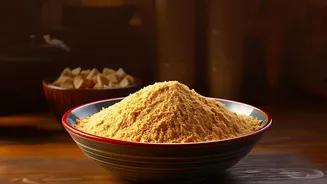
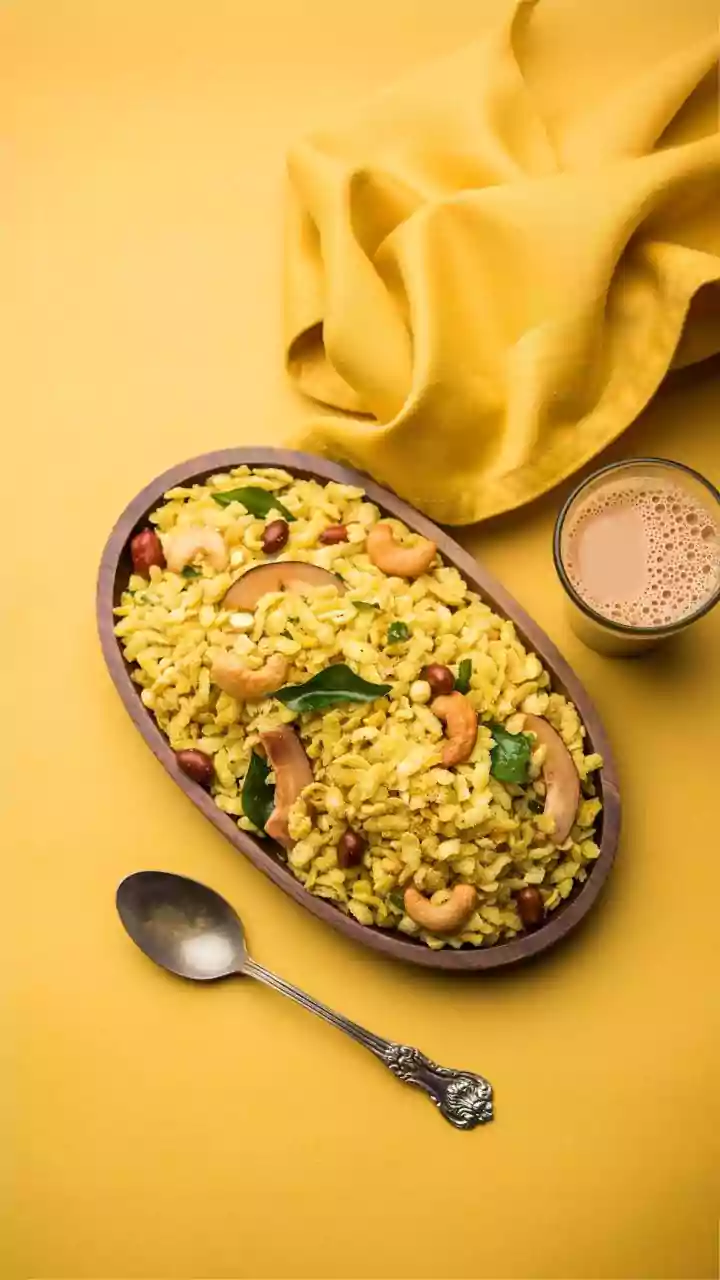
Sabudana, or tapioca pearls, are a cornerstone of fasting cuisine, famous in dishes like khichdi, vada, and kheer. The primary reason for its popularity is its composition. Extracted from the cassava root, sabudana is almost pure carbohydrate, offering
a quick and efficient source of energy. During a fast, when energy levels can dip, a meal containing sabudana provides the necessary fuel to get through the day. Religiously, sabudana is permitted because it is not a grain (anaj), which is typically avoided during most Hindu fasts. It's also incredibly light on the stomach and easy to digest, making it a soothing option when the digestive system is given a rest. Its neutral flavour is another asset, allowing it to absorb the tastes of other permitted ingredients like peanuts, green chillies, and sendha namak, making it both versatile and satisfying.
Vrat Flours: The Nutrient-Dense Grain Alternatives
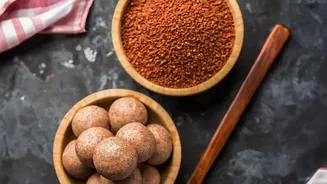
Traditional grains like wheat and rice are abstained from during many fasts. This is where 'vrat ke atte' or fasting flours come in, primarily Kuttu Ka Atta (buckwheat flour) and Singhara Atta (water chestnut flour). Despite buckwheat's name, it is not a type of wheat; it's a seed from a flowering plant, making it a 'pseudo-cereal'. Similarly, singhara atta is derived from dried, ground water chestnuts. Both are considered 'pure' and acceptable for fasting. Nutritionally, these flours are powerhouses. They are gluten-free and packed with essential nutrients. Kuttu is rich in protein and fibre, which helps you feel full for longer, and contains magnesium, which supports energy levels. Singhara atta is a great source of potassium and provides a cooling effect on the body. These flours provide sustained energy, unlike simple carbohydrates, ensuring that the body remains nourished and balanced.
Sendha Namak: The Pure and Cooling Salt
Regular table salt is avoided during fasts, and Sendha Namak, or rock salt, takes its place. There are deep-rooted reasons for this substitution. Sendha Namak is considered the purest form of salt as it is unprocessed and free from the chemical treatments that table salt undergoes. In Ayurveda, it is highly prized and classified as a 'sattvic' food, which means it promotes purity and calmness of the mind, aligning perfectly with the spiritual goals of fasting. Beyond its purity, sendha namak offers significant health benefits during a fast. It has a cooling effect on the body and is gentler on the digestive system. Crucially, it helps in maintaining the body's electrolyte balance by replenishing minerals like potassium and magnesium that can be lost during the day. This prevents fatigue and helps manage blood pressure, making it a functional ingredient that supports well-being.