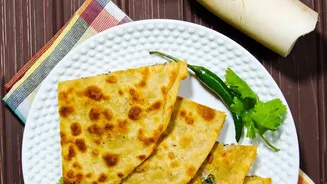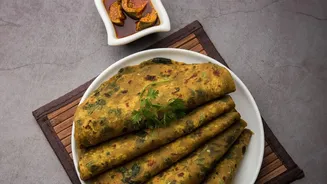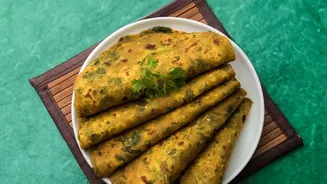








A Winter-Perfect Combination
This paratha isn't just delicious; it's packed with seasonal benefits. Sorghum, or jowar, is a gluten-free millet known for its warming properties. It's rich in fibre, which aids digestion, and complex carbohydrates that provide sustained energy to keep
you warm. Jowar is also a good source of essential nutrients like iron, calcium, and magnesium, which can help strengthen bones and boost immunity during the colder months when infections are common. Radish, or mooli, is a winter vegetable celebrated for its own set of health advantages. It is packed with Vitamin C, which further supports the immune system, and its high fibre content promotes good gut health and prevents constipation. Radishes also contain compounds that may help regulate blood sugar levels and support heart health by managing blood pressure. Together, jowar and mooli create a balanced, nutrient-dense meal that is ideal for the winter season.
Gathering Your Ingredients
This recipe brings together the earthy flavour of jowar with the sharp, peppery taste of radish and spices. You can find several variations, but a common method involves mixing the grated radish directly into the flour. Here’s what you’ll need: Jowar (Sorghum) Flour: 2 cups Radish (Mooli): 1 medium, grated, along with its finely chopped leaves Green Chillies: 2, finely chopped Ginger: 1-inch piece, grated Carom Seeds (Ajwain): 1 teaspoon Coriander Powder: 1 teaspoon Turmeric Powder: 1/4 teaspoon (optional) Salt: To taste Hot Water: As needed to knead the dough Ghee or Oil: For cooking the parathas
Step-by-Step Guide to Perfection
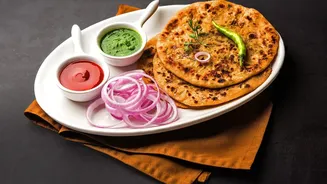
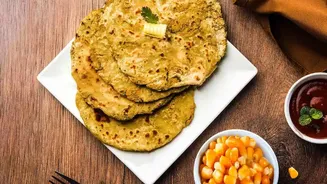
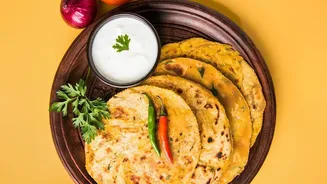
Making parathas with millet flour can be tricky as it lacks gluten. Using hot water is the key to a soft, pliable dough. 1. Prepare the Radish: Grate the radish and sprinkle it with a little salt. Let it sit for about 10-15 minutes. This will cause the radish to release its water. Squeeze out all the excess water from the grated radish and set it aside. 2. Make the Dough: In a large mixing bowl, combine the jowar flour, squeezed radish, finely chopped radish leaves, green chillies, grated ginger, carom seeds, coriander powder, and salt. 3. Knead with Hot Water: Gradually add hot water to the flour mixture and start kneading. Be careful as the water will be hot. Use a spoon initially, then use your hands once it's cool enough to handle. Knead for 5-7 minutes to form a smooth, soft dough. The dough should be soft but not sticky. Cover it and let it rest for 10 minutes. 4. Roll the Parathas: Divide the dough into equal-sized balls. Since jowar flour is gluten-free, the parathas can be challenging to roll without cracking. A helpful technique is to place a dough ball between two sheets of parchment paper or on a plastic sheet and gently roll it out or pat it with your fingertips to a desired thickness. 5. Cook the Parathas: Heat a tawa (griddle) over medium heat. Carefully place a paratha on the hot tawa. Cook for about a minute until you see small bubbles form. Flip it over, apply some ghee or oil, and cook the other side. Press down gently with a spatula to ensure it cooks evenly. Cook until both sides have golden-brown spots.
Tips for Soft, Crack-Free Parathas
Working with millet flour requires a few adjustments compared to wheat flour. To ensure your sorghum-radish parathas turn out soft every time, keep these tips in mind. First, always use fresh jowar flour, as older flour tends to be drier and more difficult to bind. Using boiling or very hot water is non-negotiable; it helps to gelatinise the starches in the flour, resulting in a more pliable dough. When kneading, be thorough. A well-kneaded dough is less likely to have cracks. If the dough feels too dry, add a few drops of warm water. If it gets sticky, a light dusting of flour will help. Don't let the dough rest for too long before rolling, and always keep the unused dough covered with a damp cloth to prevent it from drying out. Finally, cook the parathas on medium heat. Cooking on high heat can make them hard, while low heat can dry them out.