






The Coordination Conundrum
The first hurdle for many beginners in any new activity is coordination. This is where dancing and rowing present very different challenges. Dancing, by its nature, is a conversation with music. The initial learning phase is all about developing rhythm
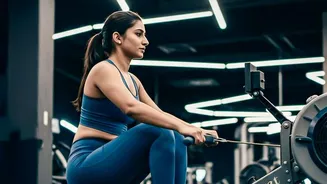
and body awareness—understanding how to move your feet, arms, and body in time with a beat. This involves multi-directional movements that challenge your brain to connect auditory cues with physical actions. For some, this feels intuitive; for others, the mental load of memorizing steps while trying to stay on beat is the biggest challenge. The learning process often moves through stages, from an initial 'honeymoon' phase of rapid progress to an 'awkward stage' where movements feel clumsy before they become natural.Rowing, on the other hand, involves a more linear and repetitive motion. The learning curve here is less about rhythm and more about mastering a specific sequence: legs, body, arms on the 'drive' phase, and arms, body, legs on the 'recovery'. While seemingly simple, beginners often struggle with this sequence, instinctively wanting to pull with their arms first, which can strain the back and reduce power. Mastering rowing is about building muscle memory for this one perfect stroke. Most beginners can grasp the basic mechanics in 3-6 sessions, but developing a truly efficient form can take several weeks of consistent practice.
Strength, Stamina, and Physical Demands
Both activities are renowned for being excellent full-body workouts, but they build strength and stamina differently. Rowing is a powerhouse for developing strength and cardiovascular endurance. The stroke engages approximately 86% of your muscles, with the legs generating about 60% of the power, the core 30%, and the arms only 10%. This makes it a fantastic low-impact option for building overall strength and fitness. Initial learn-to-row sessions are often surprisingly low-intensity, focusing purely on technique rather than a hard workout. The fitness gains come once the form is correct.Dancing builds what is often called functional fitness. While some styles like ballet require immense strength to hold positions, most social dancing builds endurance and agility through continuous, varied movement. A single dance class can involve constant shifts in weight, quick changes in direction, and maintaining posture, all of which strengthens your core and stabilizer muscles. Unlike the steady-state effort of rowing, dancing is often an intermittent workout with peaks and valleys of intensity, which can be surprisingly effective for burning calories and improving heart health.
The Social Scene vs. Solo Zen
A major deciding factor for many is the social environment. Dance is, for the most part, an inherently social activity. Group classes are a great way to meet new people, and many styles, like ballroom or swing, are partner-based. Even solo dance styles are often taught in a group setting, creating a shared sense of community and encouragement. This social component can be a powerful motivator and has been shown to improve self-esteem and provide a positive outlook.Rowing can be whatever you want it to be. You can join a rowing club and train on the water with a team, experiencing the unique synchronization and camaraderie of being in a crew boat. This requires a significant commitment but offers a deep sense of teamwork. Alternatively, indoor rowing on a machine can be a purely solo, meditative experience. You can put on your headphones, focus on your form, and get a fantastic workout without interacting with anyone, making it a flexible option for introverts or those with busy schedules.
Accessibility and Getting Started
When it comes to starting out, both activities have low barriers to entry. For dancing, you can find beginner classes in almost any city. Many studios offer introductory deals, and group classes are generally affordable, often ranging from $15 to $25 per session. Beyond the class fee, the initial gear is minimal—just comfortable clothes and perhaps specific shoes depending on the style.For rowing, most people start on an indoor rowing machine (or 'erg') at a gym. If your gym has one, you can start immediately. To learn proper on-water rowing, you'll need to find a local rowing club and sign up for a 'learn to row' course. These courses are designed for absolute beginners and provide all the necessary equipment and coaching. The cost can vary, but it’s a structured way to learn the sport safely. On-water rowing clubs also require members to pass a basic swim test for safety.