

The Problem with Dry Indoor Air
Many of our most beloved houseplants, like Calatheas, Alocasias, and ferns, originate from humid tropical forests. They are genetically programmed to thrive in air that is thick with moisture. Unfortunately, our homes are often the opposite. Air conditioning
and heating systems are designed to remove moisture from the air, creating an environment that is far too dry for these plants to flourish. When the air lacks humidity, plants lose water through their leaves faster than their roots can absorb it, a process called transpiration. This leads to the classic symptoms of dehydration: browning leaf tips, curling edges, and stunted growth. While you might be watering your plant perfectly, the dry air is constantly working against you.
The Science of the Microclimate
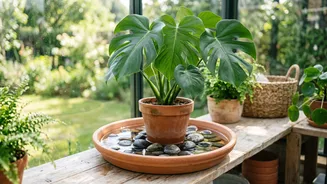
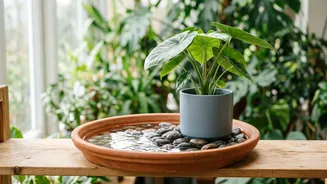
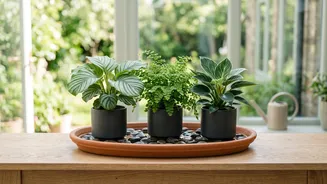
This is where the magic of grouping plants on a humidity tray comes in. A humidity tray is simply a shallow, waterproof tray filled with pebbles and water. The plant pot sits on top of the pebbles, ensuring its base stays above the water line to prevent root rot. As the water evaporates, it raises the humidity in the immediate vicinity of the plant. When you place several plants together on one large tray, you amplify this effect. Each plant releases water vapor through transpiration. By clustering them, you trap this collective moisture, creating a shared pocket of humid air—a 'microclimate'. This communal effort means the air surrounding the leaves holds a higher, more stable humidity level than what a single plant on an isolated tray could achieve.
How to Set Up Your Humidity Tray
Creating a group humidity tray is simple and inexpensive. First, find a large, shallow, waterproof tray. A boot tray, a large plastic plant saucer, or even a baking dish will work. It should be wide enough to comfortably hold several of your plants. Next, fill the tray with a one-inch layer of pebbles, gravel, or decorative stones. These pebbles are crucial because they will hold your pots above the water. Pour water into the tray until the level is just below the top of the pebbles. You never want the bottom of the plant pots to be sitting directly in the water, as this will lead to soggy soil and root rot. Arrange your humidity-loving plants on top of the pebbles and check the water level every few days, refilling as needed.
Which Plants Benefit the Most?
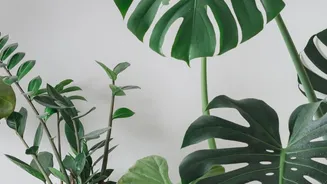
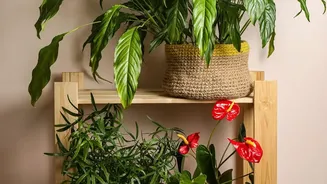
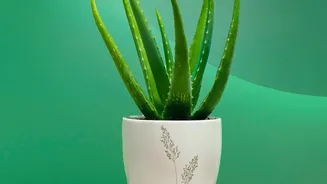
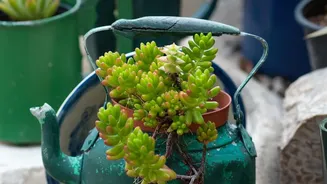
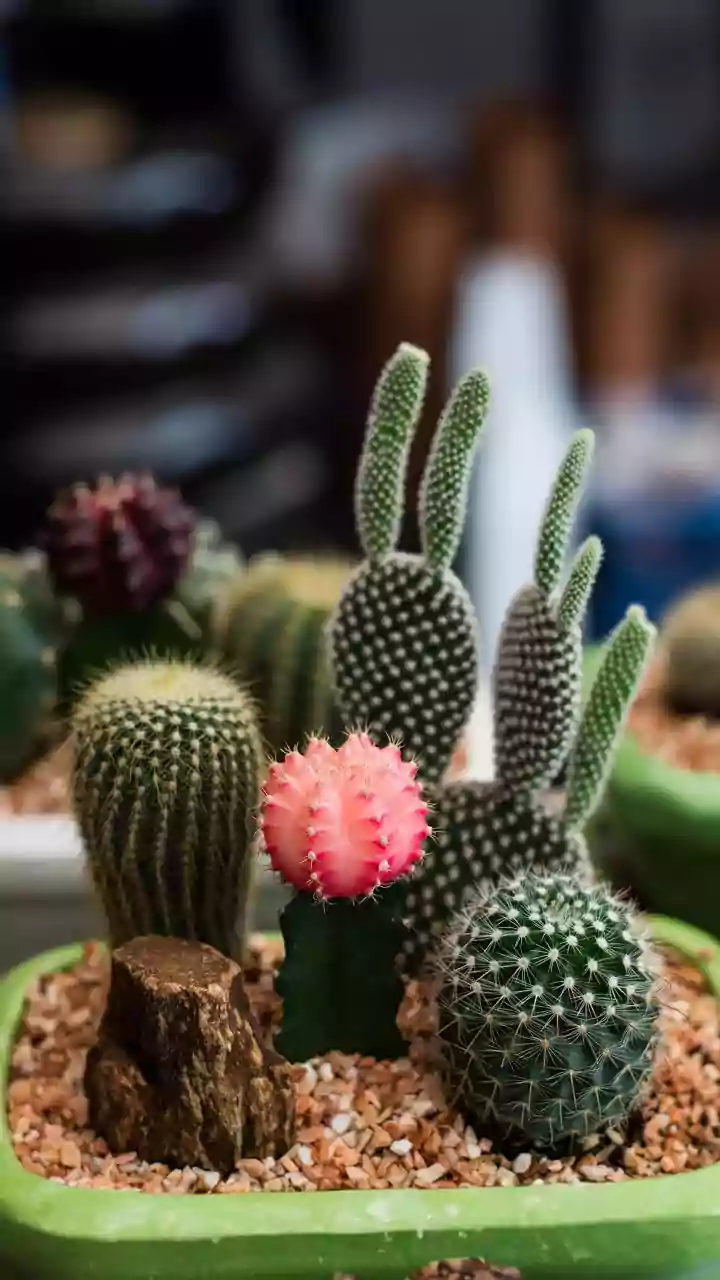
While most common houseplants appreciate a little extra humidity, some need it more than others. A good rule of thumb is that plants with thin, delicate leaves will benefit more than those with thick, waxy foliage. Grouping on a humidity tray is especially effective for species known to be sensitive to dry air. Think of prayer plants (Maranta and Calathea), delicate ferns like the Maidenhair Fern, Alocasias, and some palms. Anthuriums, Philodendrons, and Orchids also thrive in the boosted moisture a microclimate provides. Conversely, arid plants like succulents and cacti prefer dry conditions and should not be placed in a high-humidity setup, as it can cause them to rot.
Potential Downsides to Watch For
While grouping plants is highly beneficial, there are a couple of things to keep in mind. Clustering plants can reduce air circulation between them. Stagnant, moist air can sometimes create an environment that is welcoming to fungal issues or pests. To mitigate this, ensure there's still a little space between each plant for air to move. You might also consider running a small fan in the room for a few hours a day to keep the air gently circulating. Additionally, when plants are close together, pests like spider mites or mealybugs can spread more easily from one plant to another. Make it a habit to inspect your plants regularly for any signs of trouble so you can act quickly before an infestation takes hold.