


As air quality remains a concern across India, many parents rely on masks to protect their children. But a mask is only as good as its condition. Knowing when to replace a dirty or damaged mask is crucial for ensuring your child gets protection.
Why A Compromised Mask Is Risky
A mask’s
job is to filter out harmful airborne particles, but its effectiveness plummets when it's old, dirty, or damaged. Studies have shown that wearing a dirty mask can be problematic. A compromised mask not only fails to filter pollutants like PM2.5 but can also become a breeding ground for bacteria and viruses, potentially leading to skin irritation, acne, or even sore throats. Furthermore, as a mask's filter gets clogged with particles, breathing can become more difficult. This is especially concerning for children, who may not be able to communicate their discomfort clearly. A mask with a poor seal or structural damage offers a false sense of security, as polluted air can easily leak in through gaps.
Visible Signs It’s Time for a New Mask
You don’t need a microscope to spot a mask that’s past its prime. Parents should regularly inspect their child’s mask for obvious signs of wear and tear. A disposable respirator like an N95 should be discarded if it is visibly dirty, wet, or damaged. Key things to look for include: frayed or stretched-out straps that can no longer provide a snug fit; a bent or broken nose clip that fails to create a seal; and any tears, holes, or deformities in the mask material itself. If a mask has lost its shape and no longer fits snugly against the cheeks and chin, its protective capabilities are significantly reduced.
Functional Clues a Mask Is Finished
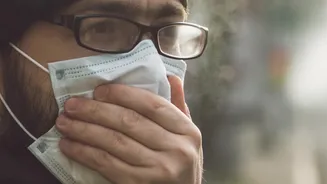
Sometimes a mask looks fine but is no longer functioning correctly. One of the clearest indicators is a noticeable increase in breathing resistance. If your child seems to be working harder to breathe, it likely means the filter is clogged with pollutants and it’s time for a replacement. Another red flag is a poor seal. If your child’s glasses fog up, or if you can feel air escaping from the edges when they exhale, the fit is compromised. Lastly, if the mask develops an unpleasant odour or feels damp, it should be replaced immediately to avoid hygiene issues.
Understanding Mask Lifespans
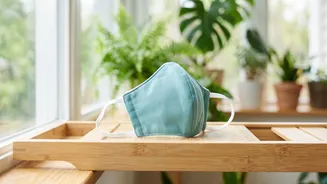
There is no single rule for how long a mask lasts; it depends on the type, frequency of use, and pollution levels. Disposable respirators like N95 or FFP2 masks are not meant to be washed, as water and soap can destroy the electrostatic charge that helps trap particles. For general public use in polluted conditions, an N95 might be reusable for several days if worn for short periods and kept clean. Some experts suggest a weekly replacement for regular daily use, but it should be replaced immediately after exposure to very high pollution levels. Always follow the manufacturer's specific instructions. Reusable masks with replaceable filters have a different schedule; the cloth exterior can be washed, but the filter insert needs to be swapped out regularly, often every one to two weeks.
Proper Storage and Handling for Kids
Teaching your child how to handle and store their mask can extend its life and keep it hygienic. Masks should never be shared between children. When not in use, disposable masks should be stored in a clean, dry, and breathable container, like a paper bag. Avoid sealed plastic bags, which can trap moisture and encourage bacterial growth. Instruct your child to handle the mask by its straps to avoid touching and contaminating the front surface. Before each use, quickly inspect the mask for any damage and ensure it still fits securely. For younger children, this supervision is a critical step.