



What Exactly Is India Proposing?
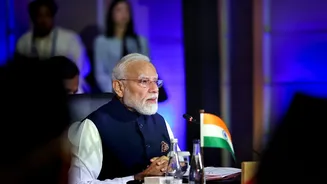
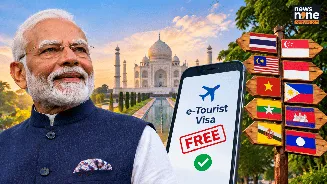
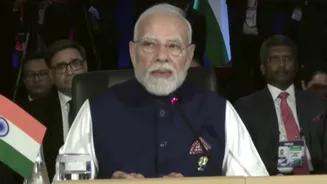
At the 23rd ASEAN-India Summit in Manila on November 17, 2026, Prime Minister Narendra Modi announced a significant proposal: to grant free electronic tourist visas to citizens of all 11 member states of the Association of Southeast Asian Nations (ASEAN).
This initiative is a cornerstone of a broader push to deepen ties under India’s ‘Act East’ policy. It is important to clarify that this is a waiver of the visa fee, not an offer of visa-free entry. Tourists from these nations would still need to apply for an e-visa through the official portal, but the government processing fee would be eliminated, reducing the cost and administrative hurdles of visiting India.
A Unilateral Move, Not a Reciprocal Deal
The headline-making aspect of this proposal is its unilateral nature. India is extending this benefit to ASEAN tourists without a formal, reciprocal agreement that would grant Indian passport holders the same automatic visa-free access to all ASEAN countries. This has led to questions about why India would make such an offer without securing a parallel benefit for its own citizens. The move is less a tit-for-tat negotiation and more a strategic investment. By simplifying entry for a massive bloc of nations, India aims to reap significant diplomatic and economic rewards, even if it means acting first and alone. This is a calculated play to boost India's own tourism sector and strengthen its geopolitical standing in the region.
The Strategic Logic: Why Act Alone?
India's 'Act East' policy, an evolution of its early 1990s 'Look East' policy, is about proactively strengthening economic, cultural, and strategic relationships with Southeast Asia. Offering visa concessions is a powerful tool of soft power diplomacy. The primary goal is to significantly boost inbound tourism from the burgeoning middle classes of ASEAN nations. Increased tourism translates directly into economic benefits, supporting hotels, local businesses, and cultural sites like the Buddhist circuits, which are of great interest to many in the region. Furthermore, this goodwill gesture is designed to foster stronger diplomatic ties, increase people-to-people connections, and position India as a key, friendly partner in the Indo-Pacific, a region of immense strategic importance.
Harmonising an Existing Policy
The proposal also serves to streamline a somewhat fragmented existing policy. As of late 2026, India already offers free 30-day tourist e-visas to five of the 11 ASEAN members: Indonesia, Myanmar, Malaysia, the Philippines, and Thailand. Citizens of the other six members—Brunei, Cambodia, Laos, Singapore, Timor-Leste, and Vietnam—still have to pay fees ranging from $10 to $25 for a 30-day e-visa. The new initiative would extend this fee waiver to all member states, creating a uniform and more welcoming policy for the entire bloc. However, an implementation date for this broader proposal has not yet been announced.
What This Means for Indian Travellers
For now, the visa situation for Indian tourists travelling to ASEAN countries remains unchanged. There is no new, bloc-wide visa-free access for Indians as a result of this proposal. Visa requirements vary by country. For example, Malaysia has offered visa-free entry for Indians, and countries like Indonesia and the Maldives offer visa-on-arrival. However, destinations like Singapore still require a pre-arranged e-visa. Indian travellers must continue to check the specific visa rules for each Southeast Asian country they plan to visit. While India's unilateral move may create diplomatic goodwill that could lead to future visa relaxations for its citizens, any such change would be the result of separate, future negotiations.