



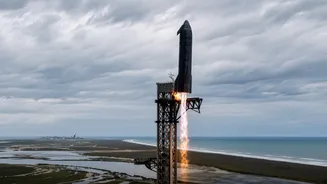

What Happened to the Booster?
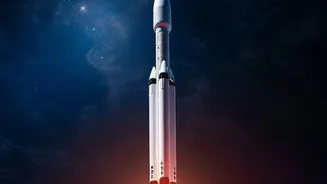
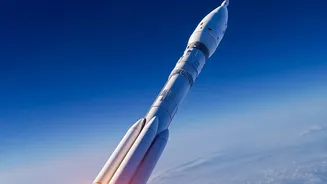
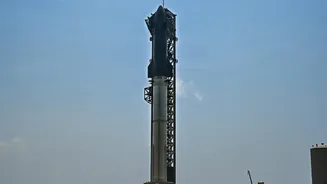
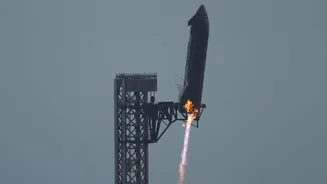
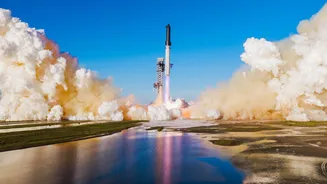
During the 15th integrated test flight, which launched on November 13, 2026, the plan was to recover both the Super Heavy booster and the Starship upper stage. Minutes after a successful liftoff and stage separation, the Super Heavy booster began its
return journey to the launch site at Starbase, Texas. However, the intended catch by the launch tower's giant mechanical arms, nicknamed 'Mechazilla', was automatically aborted. The booster’s onboard guidance systems detected an issue and autonomously diverted the rocket to a designated splashdown zone in the Gulf of Mexico for safety. According to SpaceX, early indications pointed to the boostback burn ending early due to a low fuel mass alarm. The rocket then performed a landing burn over the water before its flight termination system was triggered, destroying the vehicle just before splashdown.
A Major Success Amid the Setback
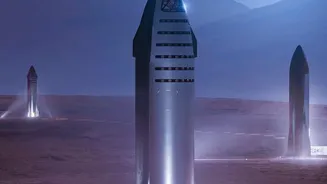
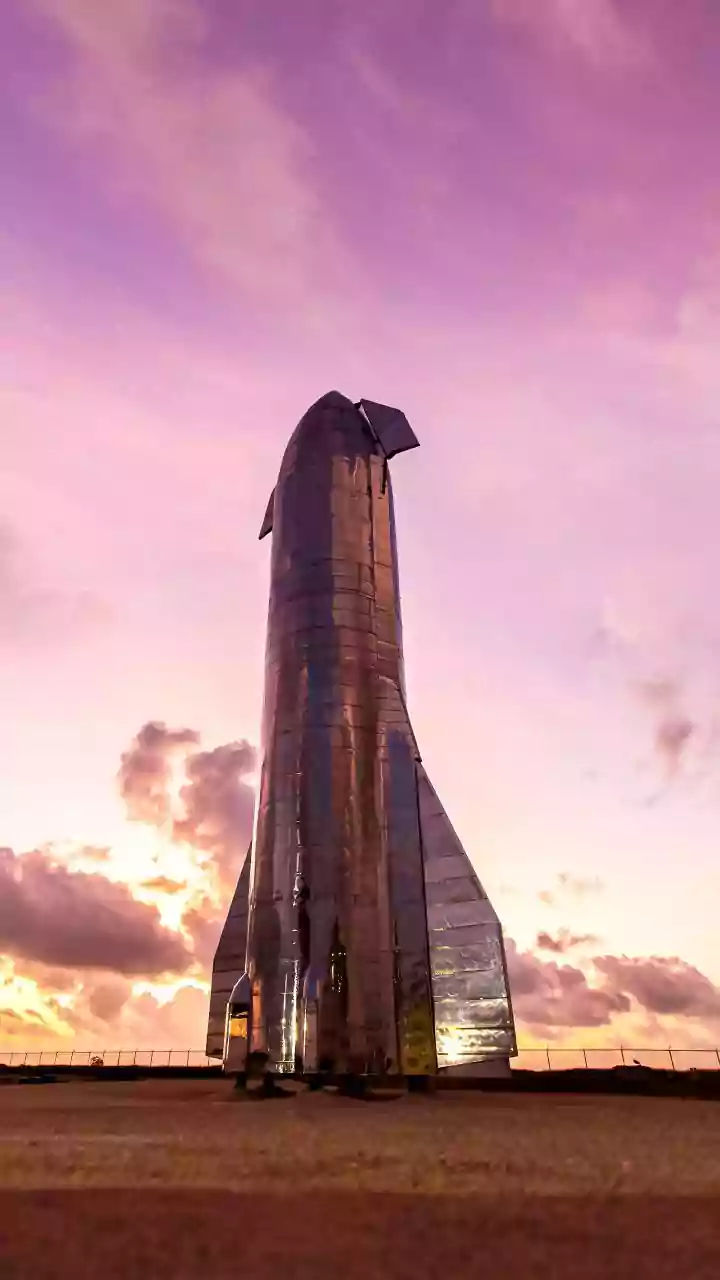
Despite the loss of the booster, Flight 15 was far from a failure. In fact, it marked a monumental achievement for SpaceX. The mission's other primary objective was to fly the Starship upper stage, known as Ship 42, into orbit, deploy a batch of Starlink satellites, and then bring it back to be caught by the same tower. This was accomplished flawlessly. After spending nearly 22.5 hours in orbit and completing 14 laps around the Earth, the Starship vehicle performed a deorbit burn, survived a fiery reentry, and navigated itself precisely back to the launch site. In a historic first, the Mechazilla arms closed perfectly around the descending spacecraft, catching it as planned. This was the first time an orbital-class spacecraft's upper stage had ever been caught for reuse, a moment one SpaceX commentator called 'the holy grail of spaceflight'.
Why Is Catching the Rocket So Important?
The entire concept of the Starship system is built on full and rapid reusability, much like an airplane. Catching the booster and the ship with the launch tower is the key to making this a reality. This method eliminates the need for heavy landing legs on the rocket, saving a significant amount of mass that can instead be used for payload or fuel. By catching the vehicles directly at the launch pad, SpaceX can theoretically inspect, refuel, and stack them for another launch in a matter of hours, rather than weeks. This dramatic reduction in turnaround time is essential for SpaceX's long-term goals, which include deploying its Starlink constellation and eventually sending humans to Mars. Previous flights had successfully caught the Super Heavy booster, but proving the catch was possible with the Starship upper stage after a long-duration orbital flight was a critical missing piece of the puzzle.
A Setback, Not a Defeat
For SpaceX, an aborted catch and the loss of a booster is a data-gathering event, not a program-ending disaster. The company's development philosophy is famously centered on rapid iteration: build, fly, learn from failures, and repeat. The fact that the booster's autonomous safety systems correctly identified a problem and diverted the vehicle to a safe location is itself a successful test of its onboard logic. The flight provided invaluable data on why the low fuel alarm was triggered, which engineers will now investigate to prevent it from happening on future flights. Each test, whether a complete success or a partial failure, provides crucial information that moves the entire program forward. The successful catch of the Starship upper stage demonstrated that the most challenging part of the recovery process is achievable, validating the core architecture of the system.